

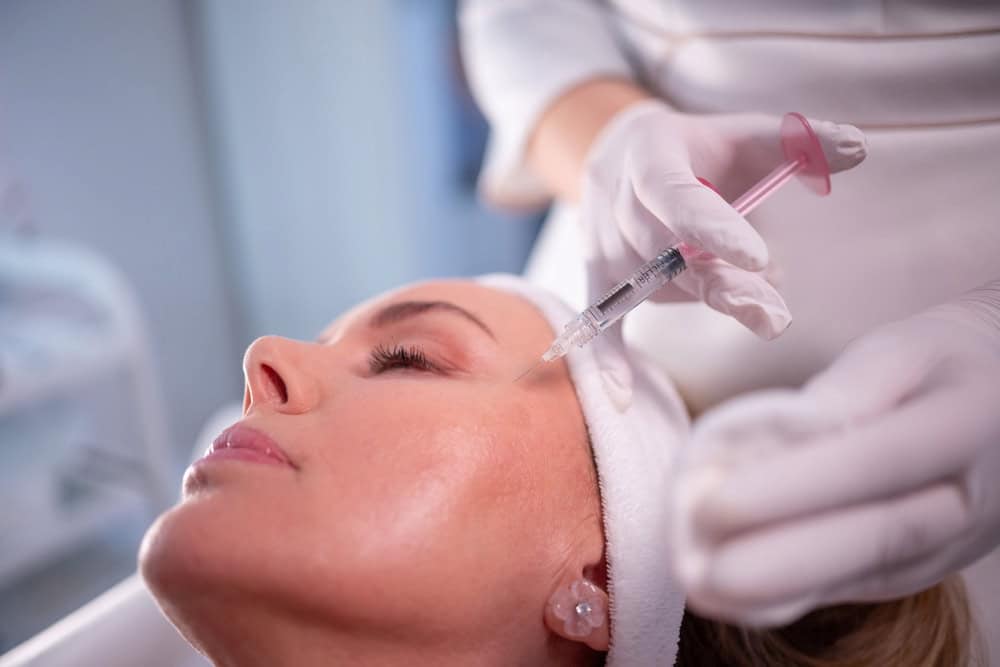
Many adults seeking anti-ageing solutions confuse skin boosters with dermal fillers or Botox injections, assuming all injectables serve the same purpose. Skin boosters represent a distinct category of treatment focused exclusively on skin hydration and quality improvement rather than volumising facial features or relaxing muscles. This article explains how skin boosters work, what clinical evidence supports their use, and why they offer a personalised approach to achieving naturally radiant, rejuvenated skin without surgical intervention. You’ll discover the science behind these treatments, how they compare to other aesthetic procedures, and whether they suit your individual skin concerns.
Key Takeaways
| Point | Details |
|---|---|
| Hydration focus | Skin boosters hydrate the dermis to improve skin quality without adding facial volume. |
| Duration and maintenance | Effects typically endure for four to nine months, with maintenance sessions needed to sustain benefits. |
| Distinct from Botox and fillers | These treatments do not add volume and are distinct from Botox and fillers, yet they can be used in combination with other procedures. |
| Evidence and results | Clinical trials show substantial hydration gains and gradual improvements, including a 43.7 per cent increase in skin capacitance. |
How skin boosters work: the science behind hydrated skin
Skin boosters use microinjections of hyaluronic acid into the dermal layer of your skin, targeting the area where collagen and elastin fibres provide structural support. Practitioners employ specialised injection techniques including serial puncture, linear threading, and microdroplet placement to ensure even distribution throughout the treatment area. These methods allow the hyaluronic acid to integrate smoothly into your skin’s extracellular matrix, stimulating cellular activity and moisture retention.
Unlike dermal fillers that use densely cross-linked hyaluronic acid to create volume and lift, skin boosters contain lightly cross-linked or non-cross-linked formulations designed specifically for hydration. The molecular structure allows water molecules to bind effectively, plumping skin cells from within whilst maintaining natural facial contours. This biostimulation effect encourages your skin to produce more collagen and elastin over time, creating cumulative improvements beyond simple hydration.
The injection process typically takes 20 to 30 minutes depending on the treatment area. Your practitioner maps out precise injection points across the face, neck, or décolletage to achieve comprehensive coverage. Each microinjection deposits small amounts of product that spread naturally through tissue planes, avoiding the concentrated pockets that characterise volumising treatments. The technique requires significant skill and anatomical knowledge to optimise results whilst minimising discomfort.
Pro Tip: Choose skincare treatment options from practitioners who demonstrate thorough understanding of facial anatomy and injection techniques, as proper placement significantly affects both safety and aesthetic outcomes.
Key benefits of the skin booster mechanism include:
-
Enhanced moisture retention at the cellular level, creating plumper, more resilient skin
-
Stimulation of fibroblast activity, promoting natural collagen and elastin production
-
Improved skin elasticity and firmness without altering facial structure
-
Gradual, natural-looking improvements that develop over several weeks
-
Reduced appearance of fine lines, particularly those caused by dehydration
Clinical benefits and results: what evidence shows
Clinical trials provide robust evidence for skin booster efficacy, with studies documenting significant improvements across multiple skin quality parameters. Research published in peer-reviewed journals demonstrates a 43.7% increase in skin capacitance, a validated measure of skin hydration levels. Responder rates for overall skin rejuvenation range from 46.8% to 54.8% based on Global Aesthetic Improvement Scale assessments, indicating that roughly half of treated patients achieve noticeable enhancement.
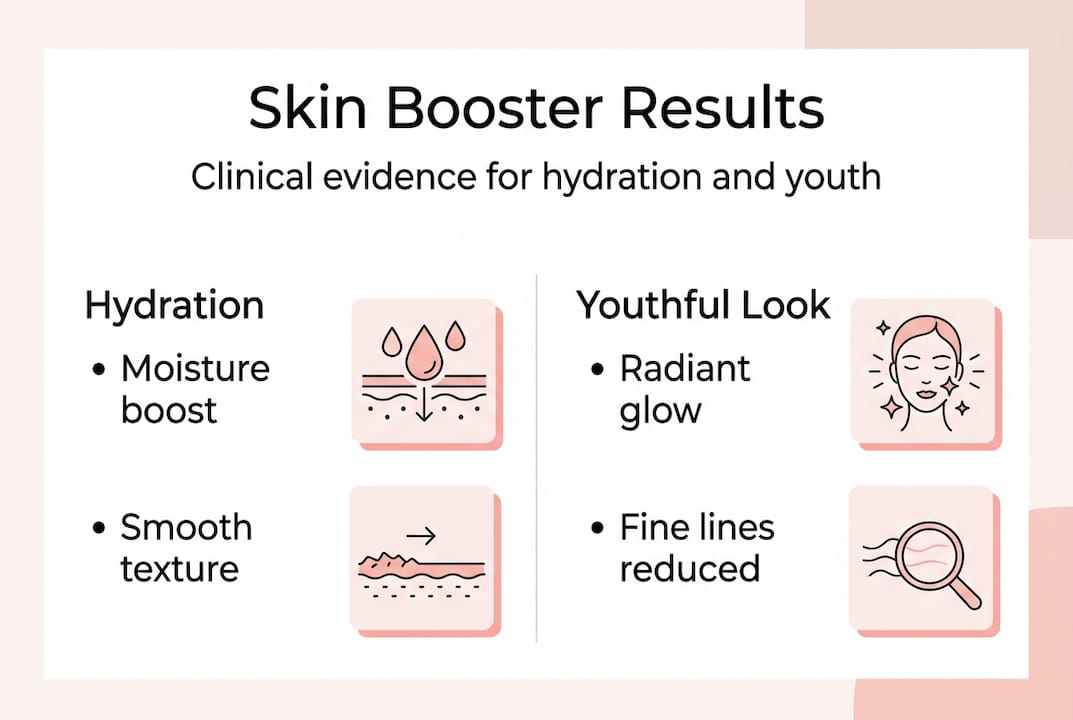
The duration of results represents a crucial consideration for anyone evaluating skin boosters as part of their aesthetic routine. Most patients experience visible benefits for four to nine months following treatment, though individual variation exists based on age, skin type, lifestyle factors, and the specific product used. Some formulations incorporate additional ingredients like amino acids or antioxidants to extend longevity and enhance biostimulation effects.
Safety profiles for FDA-approved products like Skinvive demonstrate excellent tolerability with minimal adverse events reported in clinical trials. Common side effects remain limited to temporary injection-site reactions such as mild swelling, redness, or bruising that resolve within days. Serious complications are exceptionally rare when treatments are performed by qualified practitioners using proper technique and sterile protocols.
Pro Tip: Schedule maintenance sessions every six to nine months to sustain optimal hydration and skin quality, as consistent treatment yields better cumulative results than sporadic sessions.
| Clinical measure | Improvement documented |
|---|---|
| Skin hydration | 43.7% increase in capacitance |
| Rejuvenation responders | 46.8% to 54.8% improvement |
| Result duration | 4 to 9 months average |
| Fine line reduction | Visible smoothing in treated areas |
| Skin texture | Enhanced smoothness and radiance |
Patients typically notice initial improvements within two weeks as hyaluronic acid attracts water molecules and plumps the skin. Peak results emerge around four to six weeks post-treatment when biostimulation effects reach maximum activity. The gradual nature of these changes creates a natural appearance that friends and colleagues notice as general improvement rather than obvious intervention. This subtlety appeals particularly to individuals seeking non-surgical anti-ageing treatments that enhance rather than dramatically alter their appearance.
The evidence base continues expanding as researchers investigate optimal treatment protocols, combination approaches, and long-term outcomes. Recent studies explore how skin boosters perform across different ethnic skin types, various anatomical locations, and specific concerns like acne scarring or sun damage. This growing body of knowledge allows practitioners to refine techniques and personalise treatments with increasing precision.
How skin boosters compare and complement other anti-ageing treatments
Understanding how skin boosters differ from other popular aesthetic procedures helps you make informed decisions about your rejuvenation strategy. Skin boosters focus exclusively on hydration and skin quality rather than addressing volume loss, dynamic wrinkles, or deep textural concerns that require alternative approaches. Dermal fillers use highly cross-linked hyaluronic acid or other substances to restore facial volume, lift sagging tissue, and sculpt contours. Botulinum toxin injections temporarily relax specific muscles to soften expression lines and prevent wrinkle formation.
Laser treatments and energy-based devices work through controlled thermal injury to stimulate collagen remodelling and address pigmentation, vascular concerns, or deep textural irregularities. Biostimulators like poly-L-lactic acid or calcium hydroxylapatite trigger gradual collagen production through a foreign body response mechanism. Each modality serves distinct purposes, and skilled practitioners often combine multiple treatments to achieve comprehensive facial rejuvenation.
| Treatment type | Primary mechanism | Main benefit | Duration |
|---|---|---|---|
| Skin boosters | Dermal hydration | Improved skin quality | 4 to 9 months |
| Dermal fillers | Volume restoration | Contour enhancement | 6 to 18 months |
| Botulinum toxin | Muscle relaxation | Dynamic wrinkle reduction | 3 to 4 months |
| Laser resurfacing | Thermal remodelling | Deep texture improvement | 1 to 3 years |
| Biostimulators | Collagen induction | Gradual volume restoration | 18 to 24 months |
Skin boosters complement these treatments beautifully by addressing the foundational aspect of skin health that other modalities cannot fully target. You might receive dermal fillers to restore cheek volume whilst using skin boosters to improve the overall texture and radiance of surrounding skin. Combining Botox for crow’s feet with skin boosters for periorbital hydration creates more comprehensive eye area rejuvenation than either treatment alone.
The multimodal approach allows practitioners to create customised treatment plans that address your specific concerns through the most appropriate combination of techniques. Someone with volume loss, dynamic wrinkles, and dull, dehydrated skin benefits from a strategic sequence of treatments rather than relying on a single modality. This personalised strategy represents modern aesthetic medicine’s evolution towards holistic facial rejuvenation.
Pro Tip: Consult practitioners who offer comprehensive complementary aesthetic treatments and can design integrated treatment plans rather than promoting a single solution for all concerns.
Key advantages of combining skin boosters with other treatments include:
-
Enhanced overall aesthetic outcomes through addressing multiple ageing mechanisms
-
Improved skin quality that makes other treatments appear more natural
-
Extended satisfaction as different modalities maintain results at varying intervals
-
Flexibility to adjust treatment plans as your skin and aesthetic goals evolve
-
Reduced need for more invasive procedures by optimising skin health proactively
Is a skin booster suitable for you? considerations and expert advice
Skin boosters suit most adults seeking to improve skin hydration, texture, and radiance through non-surgical means. Ideal candidates typically present with mild to moderate skin quality concerns rather than significant volume loss or deep wrinkles that require alternative treatments. Your skin type, age, lifestyle factors, and aesthetic goals all influence whether skin boosters represent the optimal choice for your situation.
Certain contraindications require careful consideration before proceeding with treatment. Practitioners advise against skin boosters during pregnancy, active skin infections, or autoimmune conditions that might complicate healing or increase adverse reaction risk. Patients taking blood-thinning medications face higher bruising risk, though this rarely constitutes an absolute contraindication with proper precautions. Those with known hypersensitivity to hyaluronic acid or lidocaine should discuss alternative formulations with their practitioner.
Vascular complications, whilst exceptionally rare, represent the most serious potential risk associated with any dermal injection procedure. Experienced injectors minimise this risk through thorough anatomical knowledge, proper injection technique, and immediate recognition of warning signs should complications arise. Choosing qualified practitioners who maintain current training and follow established safety protocols significantly reduces already minimal risks.
Pro Tip: Research your practitioner’s qualifications, experience with skin boosters specifically, and approach to managing potential complications before committing to treatment.
“The empirical evidence clearly demonstrates that professionally administered skin boosters deliver superior hydration and texture improvements compared to topical skincare products alone, making them a valuable option for patients seeking measurable skin quality enhancement.”
Consultation represents the crucial first step in determining whether skin boosters align with your needs and expectations. During this session, practitioners assess your skin condition, discuss your aesthetic goals, review your medical history, and explain realistic outcomes based on your individual characteristics. This personalised evaluation ensures you receive appropriate recommendations rather than a one-size-fits-all approach.
Factors your practitioner evaluates include:
-
Current skin hydration levels and texture quality
-
Presence of fine lines, particularly those related to dehydration
-
Overall skin health including barrier function and sensitivity
-
Previous aesthetic treatments and how your skin responded
-
Lifestyle factors affecting skin quality such as sun exposure or smoking
-
Realistic expectations about gradual, natural-looking improvements
The peer-reviewed safety data supporting skin booster use continues expanding as more patients undergo treatment and longer-term outcomes become available. This growing evidence base provides reassurance about both efficacy and safety when treatments are performed appropriately. Understanding these considerations empowers you to make informed decisions about whether skin boosters suit your individual circumstances and aesthetic aspirations.

Discover personalised skin booster treatments in East London
If you’re considering skin boosters to enhance your skin’s hydration and radiance, FaceUp Skin Studio treatments in Walthamstow offer expert, personalised care tailored to your unique needs. Our experienced practitioners utilise the latest injection techniques and FDA-approved products to deliver safe, effective results that enhance your natural beauty. We take time to understand your aesthetic goals and create customised treatment plans that may combine skin boosters with other non-surgical anti-ageing solutions for comprehensive rejuvenation. Schedule a consultation at our East London aesthetic clinic to discover how skin boosters can help you achieve the glowing, youthful skin you desire.
Frequently asked questions about skin boosters
What are skin boosters and how do they differ from fillers?
Skin boosters hydrate the dermis and improve overall skin texture without adding volume or changing facial contours. They use microinjections of lightly cross-linked hyaluronic acid that spreads throughout skin tissue to enhance moisture retention and stimulate cellular activity. Dermal fillers, in contrast, employ densely cross-linked formulations designed to restore lost volume, lift sagging tissue, and sculpt specific facial features like cheeks or lips. Whilst both use hyaluronic acid, their molecular structures and intended purposes differ fundamentally, making them complementary rather than interchangeable treatments.
Are skin boosters safe for all skin types?
Skin boosters generally demonstrate excellent safety across diverse skin types when administered by qualified practitioners. However, they are not recommended during pregnancy, active skin infections, or in patients with certain autoimmune conditions that might affect healing. Individual suitability depends on your medical history, current medications, and specific skin concerns. A thorough consultation with an experienced practitioner allows proper assessment of whether skin boosters suit your circumstances and helps identify any contraindications that might require alternative approaches.
How long do the effects of skin boosters last?
Most patients experience visible benefits for four to nine months following skin booster treatment, though individual variation exists. Factors affecting duration include the specific product used, your age and skin condition, lifestyle habits like sun exposure and smoking, and how your body metabolises hyaluronic acid. Regular maintenance sessions every six to nine months help sustain optimal hydration levels and skin quality improvements. Some patients find that consistent treatment over time produces cumulative benefits as biostimulation effects enhance their skin’s natural collagen production.
Can skin boosters be combined with other cosmetic procedures?
Skin boosters complement virtually all other aesthetic treatments, including dermal fillers, botulinum toxin injections, laser resurfacing, and biostimulators. Combining treatments allows practitioners to address multiple aspects of facial ageing simultaneously, creating more comprehensive and natural-looking results. Your practitioner will design a customised treatment plan that sequences procedures appropriately, ensuring optimal timing between sessions and avoiding potential interactions. This multimodal approach represents current best practice in aesthetic medicine, delivering superior outcomes compared to relying on any single treatment modality.