
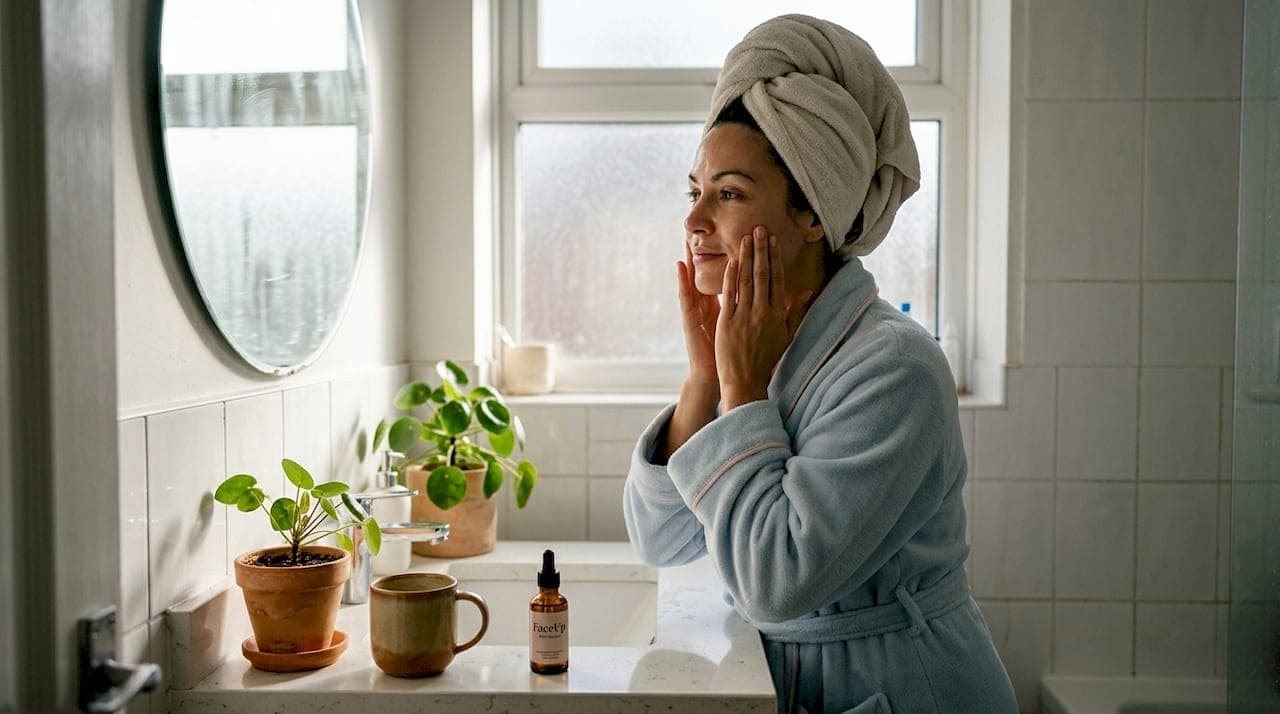
Even the most dedicated skincare routine can fall short if you don't understand how skin hydration actually works beneath the surface. Many people in Walthamstow apply moisturiser daily, drink plenty of water, and still find their skin feels tight, looks dull, or shows signs of premature ageing. The reason is often a misunderstanding of the biological processes that keep skin truly hydrated. Low UK winter humidity makes this even more challenging, stripping moisture faster than most products can replace it. This guide explains the science, the practical strategies, and the professional treatments that genuinely make a difference.
Key Takeaways
| Point | Details |
|---|---|
| Hydration is multi-layered | True skin hydration involves complex processes beneath the surface, not just water intake or basic creams. |
| Climate affects skin | Low humidity in places like Walthamstow can rapidly dry your skin, making targeted strategies essential. |
| Right ingredients matter | Humectants, emollients, and occlusives each play key roles in long-lasting hydration. |
| Professional treatments excel | Aesthetic treatments like mesotherapy and skin boosters offer deeper, lasting hydration and anti-aging benefits. |
| Personalise your plan | Combining lifestyle adjustments, quality products, and professional care gives the best results for skin hydration. |
Understanding skin hydration: what happens beneath the surface
Skin hydration is not simply about how much water you drink or how thick your moisturiser is. It is a complex biological system involving several key mechanisms working together to keep your skin supple, resilient, and youthful.
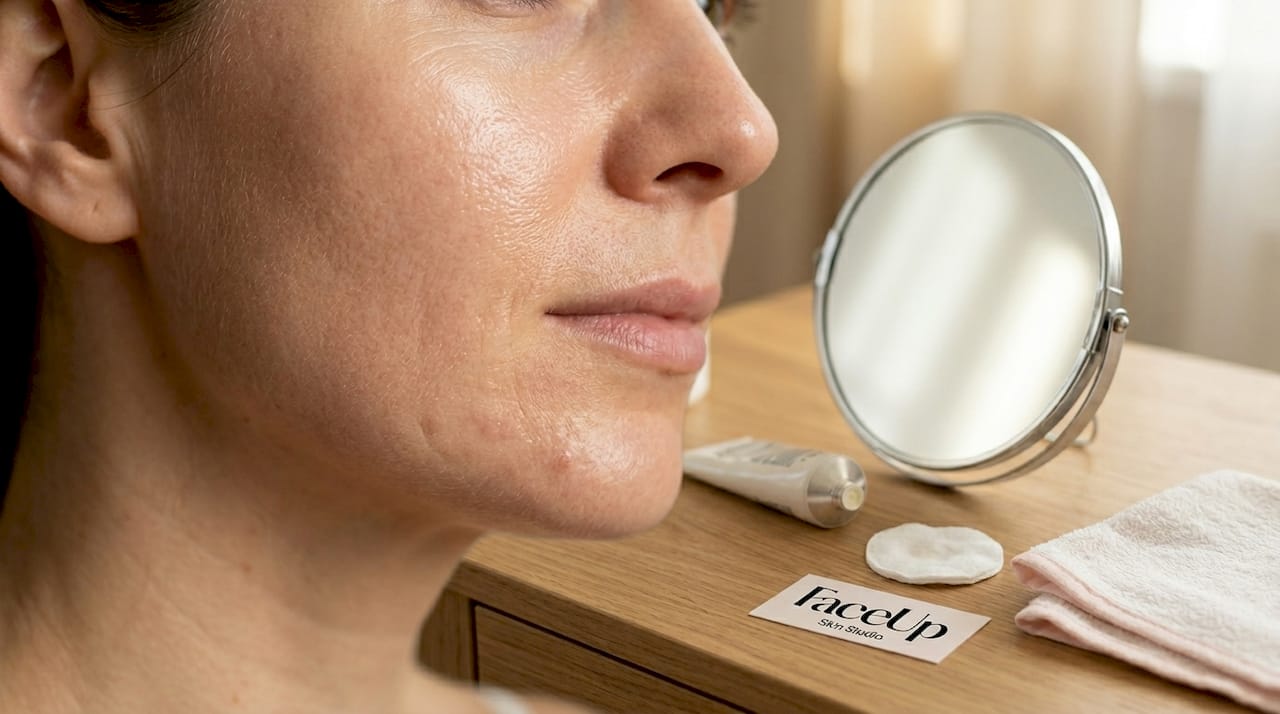
The Natural Moisturising Factor (NMF) is a collection of water-attracting compounds produced when a protein called filaggrin breaks down in the outer skin layer. NMF draws moisture into skin cells and holds it there. Alongside NMF, aquaporins (specifically AQP3) act as tiny water channels in skin cells, transporting water and glycerol across cell membranes. Intercellular lipids, the fats sitting between skin cells, form a physical barrier that prevents water from escaping. Tight junctions reinforce this barrier at a cellular level.
When any of these mechanisms are compromised, trans-epidermal water loss (TEWL) increases. TEWL is the rate at which water evaporates through the skin. High TEWL means your skin is losing moisture faster than it can retain it, which accelerates fine lines, flaking, and sensitivity. Understanding these underlying skin health factors is the foundation of any effective hydration strategy.
Hydration also affects cell communication and wound healing, meaning that poorly hydrated skin is slower to repair itself and more vulnerable to environmental damage. Interestingly, excessive moisture can cause maceration, where skin becomes waterlogged and weakened, so balance is essential.
Key hydration benchmarks at a glance:
| Measurement | What it means | Healthy range |
|---|---|---|
| Corneometer (AU) | Skin surface hydration level | Above 60 AU |
| TEWL (g/m²/h) | Water loss through skin | Below 10 g/m²/h |
| Skin pH | Barrier integrity indicator | 4.5 to 5.5 |
Factors that control your skin's moisture levels:
- NMF concentration in the stratum corneum (outer skin layer)
- Aquaporin channel activity
- Integrity of intercellular lipids (ceramides, fatty acids, cholesterol)
- Environmental humidity and temperature
- Age-related decline in filaggrin production
- Skincare product ingredients and application method
How the environment and lifestyle impact skin hydration
Now that we understand the inner workings of hydration, let's see how your local climate and lifestyle can influence your results and how to adapt.
Walthamstow's winters are particularly harsh on skin. Low humidity rapidly reduces skin hydration and increases TEWL, especially during the colder months when indoor heating further dries the air. In fact, TEWL can effectively double in very dry conditions, meaning your skin is working twice as hard just to maintain its baseline moisture.
Your daily habits play a significant role too. Here are the most common lifestyle factors that quietly dehydrate your skin:
- Central heating: Reduces indoor humidity to as low as 20%, well below the ideal 40 to 50%
- Hot showers and face washing: Strip natural oils and disrupt the lipid barrier
- Air travel: Cabin humidity is typically below 20%, accelerating moisture loss
- Caffeine and alcohol: Both increase fluid loss systemically
- Screen time and air conditioning: Dry office environments compound the problem
- Harsh cleansers: Surfactants can damage tight junctions and remove NMF
Adopting anti-aging skin care habits that account for your environment makes a measurable difference to how your skin looks and feels throughout the year.
Statistic: TEWL can double in low-humidity environments, meaning your skin loses moisture at twice the normal rate during a typical Walthamstow winter.
Pro Tip: Place a humidifier in your bedroom and main living area, set to 40 to 50% relative humidity. This single change can noticeably reduce overnight moisture loss and improve how your skin responds to products.
Moisturisers and topical strategies: ingredients that make a real difference
With environmental factors in mind, let's explore which moisturisers and ingredients will truly help your skin retain water, especially in a dry London climate.
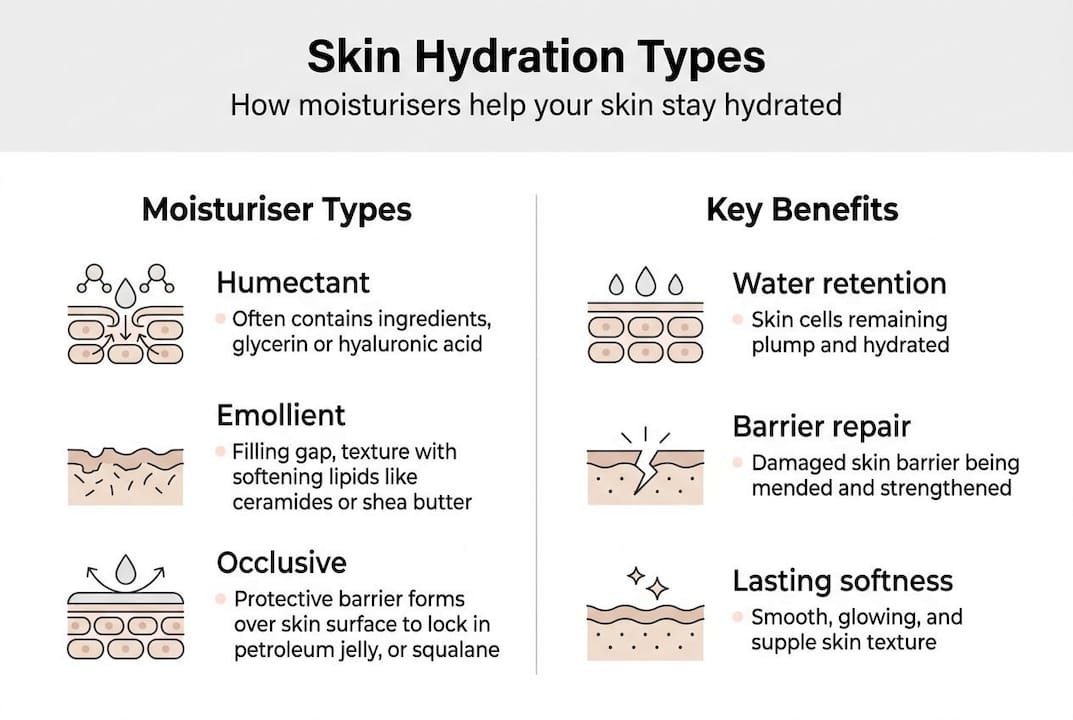
Not all moisturisers work the same way. They fall into three categories, and understanding each one helps you choose and layer products correctly.
| Type | How it works | Examples |
|---|---|---|
| Humectant | Draws water into the skin from the environment or deeper layers | Hyaluronic acid, glycerin, urea |
| Emollient | Softens skin and fills gaps between cells | Squalane, shea butter, ceramides |
| Occlusive | Forms a physical seal to prevent water escaping | Petrolatum, beeswax, dimethicone |
Moisturisers work via humectants, emollients, and occlusives, each addressing a different aspect of moisture retention. Used together in the right order, they can increase hydration by 38 to 116% over eight weeks. That is a significant improvement from a consistent routine alone.
The hyaluronic acid benefits are particularly well documented. It can hold up to 1,000 times its weight in water, making it one of the most effective humectants available in topical skincare.
How to layer products for optimal hydration:
- Cleanse with a gentle, pH-balanced cleanser to preserve your skin barrier
- Apply a humectant serum (such as hyaluronic acid) to damp skin immediately after cleansing
- Follow with an emollient moisturiser to soften and support the barrier
- Seal with a light occlusive layer, especially at night or in cold weather
- Apply SPF in the morning to protect the barrier from UV-induced damage
Check your skin care checklist to ensure your current routine covers all these steps effectively.
Pro Tip: In cold Walthamstow winters, always apply your humectant serum while your skin is still slightly damp, then immediately layer an occlusive on top. This traps the moisture before it evaporates, which is especially important when indoor heating is running.
Professional aesthetic treatments for deep and lasting hydration
When over-the-counter products aren't enough, scientific treatments offer a solution. Let's see how they work and whether they're right for you.
Topical products work at the surface level. They are valuable, but they cannot reach the deeper layers of the dermis where collagen, elastin, and the structural components of youthful skin reside. Professional treatments bridge that gap.
Key clinic-based hydration treatments:
- Mesotherapy: Microinjections of hyaluronic acid, vitamins, and minerals delivered directly into the dermis. Studies show mesotherapy boosts hydration by 18 to 26% and improves elasticity measurably.
- Microneedling with hyaluronic acid: Creates micro-channels in the skin to drive active ingredients deeper, stimulating collagen production alongside hydration.
- Skin boosters: Injectable hyaluronic acid products (such as Profhilo or Juvederm Hydrate) that spread through the dermis, improving texture, firmness, and moisture retention. Read more about the benefits of skin boosters for a detailed breakdown.
- HydraFacial: A non-injectable treatment combining cleansing, exfoliation, and serum infusion for immediate surface hydration and glow.
"Injectable treatments offer deeper, longer-lasting hydration than topicals for anti-aging, reaching the dermis where structural changes occur."
The contrast between topical and injectable results is significant. A good moisturiser hydrates the stratum corneum (the outermost layer). An injectable skin booster hydrates the dermis, the layer responsible for firmness and elasticity. For anyone concerned about visible ageing, this distinction matters enormously.
Exploring professional facials and understanding the full skin rejuvenation process can help you decide which approach suits your skin's current needs. For those considering injectable options, local mesotherapy clinics can provide further context on what to expect.
Creating your hydration plan: practical steps for lasting results
Ready to put all these insights into practice? Here's how to build a skin hydration journey that really works.
Hydration plans that integrate topical and professional treatments, alongside humidity management and lifestyle adjustments, consistently deliver the best outcomes. No single product or treatment works in isolation.
Your personal hydration routine, step by step:
- Assess your skin's current state: Note whether you experience tightness, flaking, dullness, or sensitivity. These are signs of compromised hydration.
- Adjust your home environment: Use a humidifier during autumn and winter months to maintain 40 to 50% relative humidity indoors.
- Build a layered topical routine: Follow the humectant, emollient, occlusive sequence outlined above, morning and evening.
- Introduce targeted ingredients: Look for ceramides, niacinamide, and hyaluronic acid on product labels. These support the barrier and attract moisture simultaneously.
- Consider a face mist: A hydrating face mist used mid-morning can refresh hydration levels, particularly in dry office environments.
- Schedule a professional consultation: If your skin remains persistently dry or shows signs of ageing despite a solid home routine, a clinic-based assessment will identify what topical products cannot address.
- Review and adapt seasonally: Your skin's needs in July are very different from its needs in January. Adjust your routine accordingly.
For those interested in more advanced options, exploring advanced skin rejuvenation methods such as laser treatments can complement a hydration-focused plan by stimulating collagen and improving overall skin quality.
Pro Tip: If you have mature skin, combining skin boosters with a collagen-stimulating treatment such as Profhilo or polynucleotides gives you both immediate hydration and longer-term structural improvement. This dual approach addresses both the symptom and the underlying cause of age-related dryness.
Where to get expert skin hydration solutions in Walthamstow
If you're ready to move beyond the basics and invest in treatments that deliver real, measurable results, expert guidance makes all the difference. Understanding the science is one thing. Applying it correctly to your unique skin type, lifestyle, and concerns is another.
At FaceUp Skin Studio in Walthamstow, we offer a range of advanced skin hydration and anti-aging treatments tailored to your individual needs. From skin boosters and mesotherapy to HydraFacial and microneedling, our experienced practitioners will assess your skin thoroughly and recommend a plan that genuinely works. We believe in informed decisions, natural-looking results, and treatments that respect your skin's biology. Book a consultation with us today, and explore our blog for more hydration tips and expert skincare guidance to support your journey.
Frequently asked questions
What exactly is skin hydration and why does it matter?
Skin hydration is the process of maintaining optimal water content within the skin's layers, which is essential for a smooth, youthful, and resilient appearance. Without adequate hydration, the skin barrier weakens, accelerating fine lines, sensitivity, and dullness.
How do I know if my skin is actually hydrated?
Hydrated skin feels supple, looks radiant, and measures above 60 AU on a corneometer; dryness typically presents as flaking, tightness, and a lack of luminosity. A professional skin assessment can give you a precise, objective reading of your hydration levels.
Can drinking more water alone fix skin dryness?
Drinking water supports overall health but has a limited direct effect on skin hydration. Topical humectants, emollients, and occlusives are far more effective at maintaining the skin barrier and retaining moisture where it matters most.
How quickly does low humidity dehydrate skin in London winters?
Skin loses moisture within 3 to 6 hours in low-humidity conditions, with TEWL increasing noticeably and flakiness following shortly after. This is why a consistent morning and evening routine is non-negotiable during colder months.
Do professional treatments offer better hydration than shop-bought creams?
Injectable treatments hydrate deeper and last significantly longer than most topical creams, particularly for anti-aging results. Clinic-based options reach the dermis, where structural improvements to firmness and elasticity actually occur.