
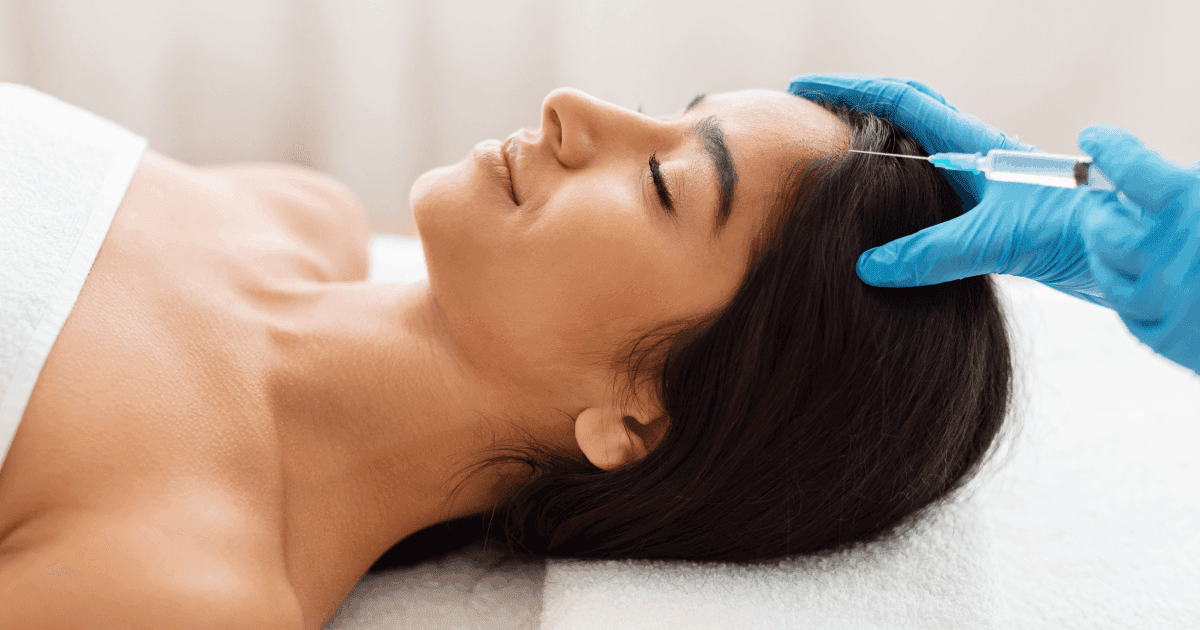
Many adults in East London wonder if PRP therapy is just another passing beauty trend promoted by celebrities and social media influencers. In reality, platelet-rich plasma therapy represents a scientifically validated approach to skin rejuvenation that harnesses your body’s natural healing mechanisms. This article clarifies how PRP therapy works, its proven skin benefits, and what you can realistically expect from treatment. You will gain credible insights grounded in clinical evidence to help decide if PRP is the right choice for your anti-aging and skin rejuvenation needs in 2026.
Key takeaways
| Point | Details |
|---|---|
| Natural collagen boost | PRP therapy stimulates your own collagen production for firmer, more elastic skin through concentrated growth factors |
| Enhanced healing response | When combined with microneedling, PRP accelerates skin recovery and reduces post-treatment redness significantly |
| Measurable improvements | Repeated PRP sessions can increase collagen thickness by up to 30%, delivering visible anti-aging results |
| Multi-benefit treatment | PRP effectively addresses fine lines, acne scarring, and enlarged pores for smoother overall skin texture |
| Advanced technology | The Arthrex ACP® system produces nearly double the platelet concentration compared to standard systems for superior outcomes |
Understanding platelet-rich plasma (PRP) therapy
PRP therapy uses your own blood plasma enriched with concentrated platelets to activate natural skin healing and rejuvenation processes. The treatment begins with a small blood draw, similar to routine medical tests you might have experienced. Your blood is then processed in a centrifuge machine that spins rapidly to separate and concentrate the platelet-rich plasma from other blood components.
Platelets contain powerful growth factors that trigger your skin’s natural collagen and elastin production when applied to treatment areas. These proteins form the structural foundation of healthy, youthful skin. PRP facials stimulate collagen production, leading to increased skin firmness and elasticity through this biological activation process. The concentrated growth factors signal your skin cells to begin repair and regeneration cycles.
Increased collagen improves skin firmness and elasticity within several weeks as new protein structures develop in deeper skin layers. The effects build progressively rather than appearing overnight. PRP is often combined with skin needling techniques for enhanced rejuvenation effects, as the micro-channels created allow deeper penetration of growth factors.
The science behind PRP therapy relies on your body’s innate healing capabilities rather than introducing foreign substances:
-
Your blood platelets release multiple growth factors including platelet-derived growth factor and transforming growth factor
-
These growth factors stimulate fibroblast cells to produce fresh collagen and elastin fibres
-
New blood vessel formation improves nutrient delivery to treated skin areas
-
Cell proliferation accelerates, replacing aged or damaged skin cells with healthier tissue
This biological approach makes PRP therapy particularly appealing for those seeking natural East London skin treatments without synthetic fillers or harsh chemicals. The concentrated platelets work with your existing cellular mechanisms to promote genuine skin regeneration from within.
Benefits and results of PRP therapy for skin rejuvenation
PRP therapy reduces fine lines by promoting deeper collagen layers that plump skin from beneath the surface. Unlike topical creams that only affect the outermost skin layer, PRP growth factors penetrate to the dermis where structural changes occur. PRP facials help reduce the depth of fine lines, minimize acne scarring, and refine pores, resulting in smoother, more even skin through this deeper action.
Acne scars respond particularly well to PRP treatment because the growth factors stimulate tissue remodelling in depressed scar areas. Large pores appear smaller as surrounding skin becomes firmer and more structured. The texture improvements create a more refined, youthful appearance that makeup applies more smoothly over.
Improvements in skin firmness often appear within 4 to 8 weeks after treatment as new collagen matures and organises into supportive networks. You might notice subtle changes earlier, but the full effects develop gradually. Collagen thickness can increase by up to 30% after multiple sessions, providing measurable anti-aging benefits that continue improving for months.
Combining PRP with microneedling accelerates healing and lessens redness and downtime compared to microneedling alone. The growth factors in PRP soothe inflammation whilst simultaneously promoting faster tissue repair. This combination approach has become increasingly popular for those seeking maximum results with minimal recovery periods.
Specific benefits you can expect from PRP therapy include:
-
Reduction in fine lines and wrinkles, particularly around eyes and mouth
-
Improved skin tone and texture with more even pigmentation
-
Diminished appearance of acne scars and other textural irregularities
-
Tighter, more lifted skin contours without surgical intervention
-
Enhanced overall skin radiance and healthy glow
-
Reduced pore size for smoother skin surface
Pro Tip: Document your skin with consistent lighting and angles before starting PRP therapy, then take comparison photos every 4 weeks to track subtle improvements that might be difficult to notice day to day.
The natural approach of skin rejuvenation treatments in East London using PRP means results develop organically rather than creating sudden, artificial changes. This gradual improvement often looks more natural and avoids the obvious “work done” appearance some people wish to avoid.
How PRP therapy compares with other skin treatments
PRP therapy is a natural treatment using your own blood components, which dramatically reduces allergy risks unlike some dermal fillers that introduce foreign substances. This autologous approach means your immune system recognises the treatment material as self rather than foreign. You avoid potential sensitivities or reactions that occasionally occur with synthetic products.
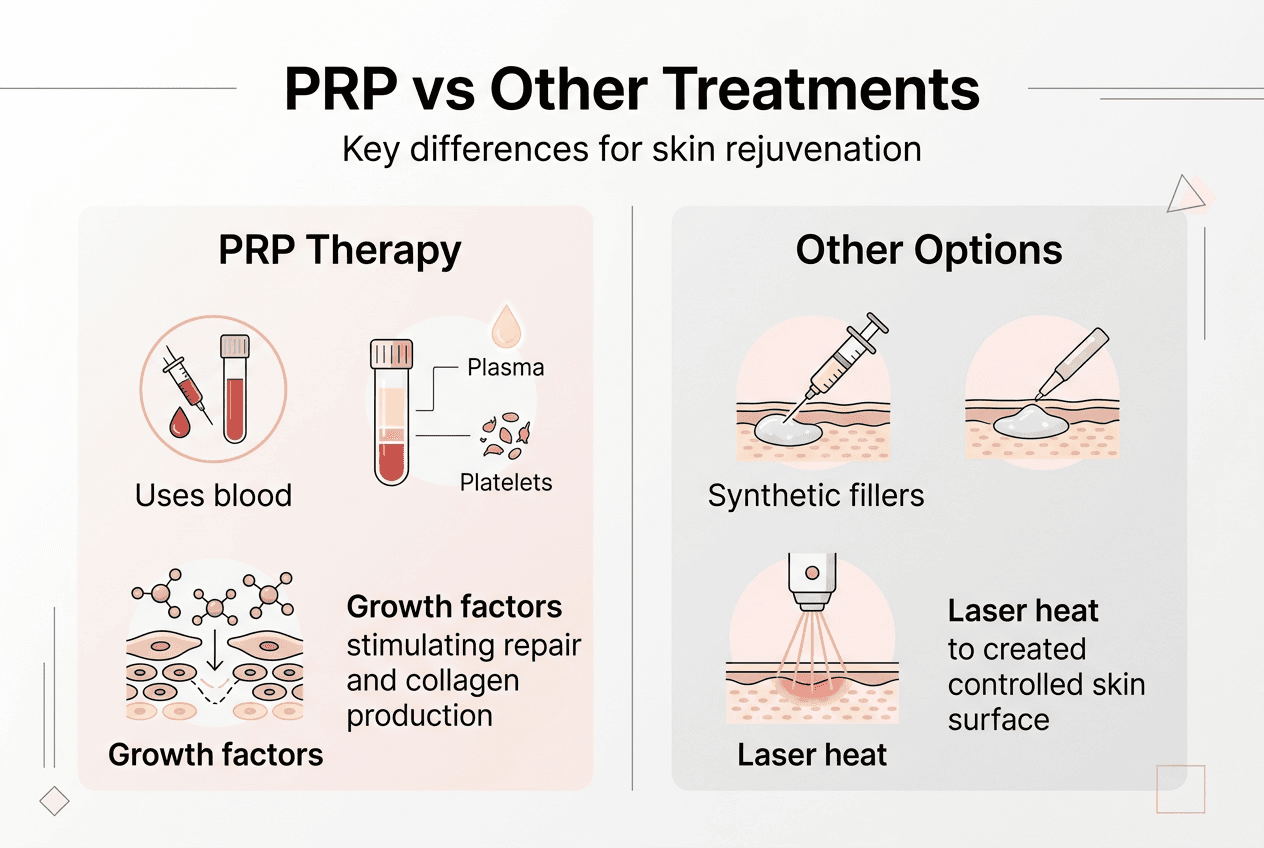
The fundamental difference lies in how PRP promotes skin regeneration rather than temporarily filling or smoothing skin externally. Dermal fillers add volume by physically occupying space under the skin, whilst Botox temporarily paralyses muscles. PRP actually changes your skin’s structure by encouraging new tissue growth. The effects take longer to appear but represent genuine biological improvement.
The Arthrex ACP® double-syringe system produces ~2× platelet concentrations compared to competitor systems, improving treatment effectiveness significantly. Higher platelet concentrations mean more growth factors delivered to your skin, potentially enhancing results. This technological advancement represents meaningful progress in PRP preparation methods.
Unlike laser treatments that use heat energy to trigger skin responses, PRP uses growth factors to encourage gradual skin healing and rejuvenation through biological pathways. Lasers can be highly effective but sometimes require more downtime and carry risks of pigmentation changes, particularly in darker skin tones. PRP combined with microneedling offers reduced downtime compared to more invasive procedures like surgical facelifts or aggressive laser resurfacing.
| Treatment type | Mechanism | Downtime | Longevity | Natural approach |
|---|---|---|---|---|
| PRP therapy | Growth factor stimulation | Minimal (1-2 days) | 12-18 months | Yes, uses own blood |
| Dermal fillers | Physical volume addition | Minimal (immediate) | 6-18 months | No, synthetic material |
| Botox | Muscle paralysis | None | 3-4 months | No, neurotoxin protein |
| Laser resurfacing | Heat-induced remodelling | Moderate (5-7 days) | 12-24 months | No, external energy |
| Chemical peels | Controlled skin injury | Moderate (3-7 days) | 6-12 months | No, chemical agents |
Key advantages of PRP therapy include:
-
Compatible with all skin types and tones without pigmentation risks
-
Can be repeated safely without cumulative toxicity concerns
-
Works synergistically with other treatments for enhanced outcomes
-
Minimal risk of allergic reactions or adverse responses
-
Promotes long-term skin health rather than masking aging signs
Pro Tip: Consider combining PRP with other treatments strategically rather than viewing it as an either-or choice, as many practitioners design comprehensive treatment plans using multiple modalities for optimal results.
The choice between PRP therapy options in East London and alternative treatments depends on your specific concerns, timeline expectations, and preference for natural versus synthetic approaches. PRP excels for those seeking gradual, natural-looking improvements through biological enhancement.
What to expect during and after PRP therapy sessions
Your PRP therapy session involves several distinct steps that typically unfold over 45 to 60 minutes. First, a practitioner draws a small blood sample from your arm, usually about 10 to 20 millilitres depending on the treatment area size. The blood is immediately placed in a centrifuge that spins for approximately 10 minutes to separate plasma components. Meanwhile, your treatment area is cleansed and prepared.
Once processing completes, the concentrated PRP is applied topically after microneedling or injected directly into target areas using fine needles. Application method depends on your specific skin concerns and treatment goals. Topical numbing cream minimises discomfort during the procedure, though some people report mild pressure or tingling sensations. The entire process from arrival to departure usually takes under 90 minutes.
Average session timing is 45 to 60 minutes, typically spaced 4 to 6 weeks apart over several sessions for optimal results. Most treatment protocols recommend 3 to 4 initial sessions followed by maintenance treatments every 6 to 12 months. This schedule allows each round of collagen production to mature before stimulating the next cycle.
Common side effects include mild redness and swelling that usually resolve within 24 to 48 hours. Your skin might appear slightly flushed, similar to mild sunburn, immediately after treatment. Some people experience minor bruising at injection sites, particularly if needles are used rather than topical application. These effects are temporary and typically mild.
PRP significantly enhances the healing response from microneedling, reducing redness, minimizing downtime, and amplifying results compared to microneedling performed without PRP. The growth factors actively soothe inflammation whilst promoting faster tissue repair. This combination approach has become the gold standard for those seeking efficient recovery.
Results often appear gradually, with skin texture and elasticity improving over months after treatment as collagen remodelling continues. You might notice initial improvements within 2 to 3 weeks, but the full effects typically emerge around 8 to 12 weeks post-treatment. Patience is essential, as biological processes cannot be rushed.
Typical session progression follows this pattern:
-
Initial consultation to assess skin concerns and establish treatment goals
-
First treatment session with baseline documentation and photos
-
Follow-up session 4 to 6 weeks later to build on initial improvements
-
Third session to maximise collagen stimulation and consolidate results
-
Maintenance treatments scheduled based on individual response and goals
Post-treatment care recommendations include:
-
Avoid direct sun exposure for 48 hours and use broad-spectrum SPF daily
-
Skip makeup for 24 hours to allow micro-channels to close properly
-
Avoid strenuous exercise for 24 hours to minimise swelling
-
Keep skin well hydrated with gentle, fragrance-free moisturisers
-
Avoid harsh skincare actives like retinoids for 3 to 5 days
Understanding what happens during and after preparing for PRP therapy helps you plan appropriately and maintain realistic expectations throughout your treatment journey. The gradual nature of results requires commitment to the full protocol rather than expecting immediate transformation.
Discover PRP therapy at FaceUp Skin Studio in East London
If you’re considering professional PRP therapy, FaceUp Skin Studio in Walthamstow offers expert treatment using advanced systems designed for optimal results. The clinic specialises in evidence-based aesthetic treatments that prioritise safety and natural-looking outcomes. Experienced practitioners assess your unique skin concerns during consultations, creating personalised treatment plans that address your specific rejuvenation goals.
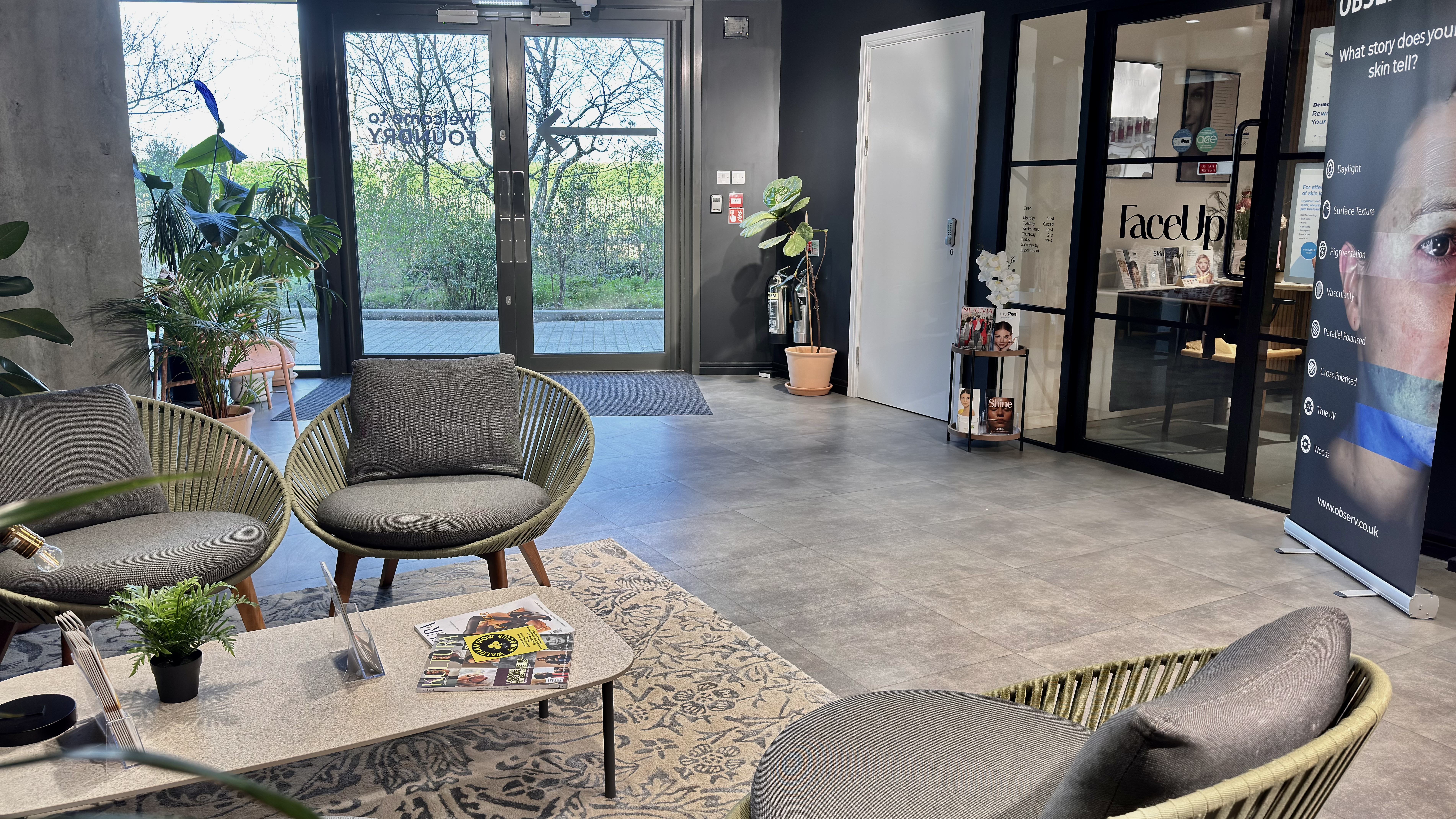
The clinic uses advanced preparation systems that maximise platelet concentration for enhanced effectiveness. Each session is tailored to your skin type, concerns, and desired outcomes rather than following a one-size-fits-all approach. Whether you’re interested in addressing fine lines, acne scarring, or overall skin texture, professional guidance ensures you receive appropriate treatment protocols. Visit PRP therapy at FaceUp Skin Studio to learn more about available options and book your initial consultation.
Frequently asked questions about PRP therapy
How long does PRP facial treatment take?
A complete PRP facial session typically takes 45 to 60 minutes from preparation through application. This includes blood draw, centrifuge processing, skin preparation, and treatment application. You should plan for approximately 90 minutes total including consultation time.
Is PRP therapy safe for all skin types?
Yes, PRP therapy is safe for all skin types and tones because it uses your own blood components. Unlike some laser treatments that carry pigmentation risks for darker skin, PRP works through biological mechanisms that don’t depend on skin colour. The autologous nature eliminates allergy concerns.
What is the downtime after PRP therapy sessions?
Downtime is minimal, typically 24 to 48 hours of mild redness and possible swelling. Most people return to normal activities the next day, though you should avoid strenuous exercise and direct sun exposure for 48 hours. Makeup can usually be applied after 24 hours.
How many sessions of PRP are recommended for best results?
Most practitioners recommend 3 to 4 initial sessions spaced 4 to 6 weeks apart for optimal collagen stimulation. Maintenance treatments every 6 to 12 months help sustain results. Individual response varies based on age, skin condition, and treatment goals, so protocols may be adjusted.
Can PRP therapy be combined with other skin treatments?
PRP combines excellently with microneedling, laser treatments, and dermal fillers for enhanced results. Many practitioners design comprehensive treatment plans using multiple modalities strategically. The growth factors in PRP can actually improve healing and outcomes when paired with complementary procedures, though timing and sequencing should be professionally planned.