

TL;DR:
Microneedling uses fine needles to stimulate collagen, elastin, and blood vessel growth for skin rejuvenation.
It can improve scars, wrinkles, and skin texture with minimal downtime and ongoing results.
Suitable for many adults, but not recommended for active skin infections or certain skin types.
Microneedling can significantly improve scars and wrinkles with minimal downtime, yet many people in Walthamstow still assume that meaningful skin rejuvenation requires surgery or an aggressive laser. That assumption is understandable. The aesthetics industry is noisy, and it is easy to feel overwhelmed by the options. Microneedling, however, sits in a genuinely useful middle ground: clinically backed, minimally invasive, and suitable for a wide range of skin concerns. This guide will walk you through exactly how microneedling works, what results you can realistically expect, how it compares to other treatments, and whether it is the right choice for your skin.
Key Takeaways
| Point | Details |
|---|---|
| Boosts skin renewal | Microneedling stimulates collagen and elastin, helping reduce wrinkles, scars and signs of ageing. |
| Quick recovery | Most people resume daily routines within 24-48 hours, making it a convenient non-surgical option. |
| Best results with professionals | Professional microneedling ensures safety, reduces risks and is more effective than home rollers. |
| Suitability matters | Not everyone is a candidate; a professional assessment is vital to avoid rare but serious complications. |
Understanding microneedling: How it works
Now that we have established microneedling’s potential, let us break down what actually happens during the process.
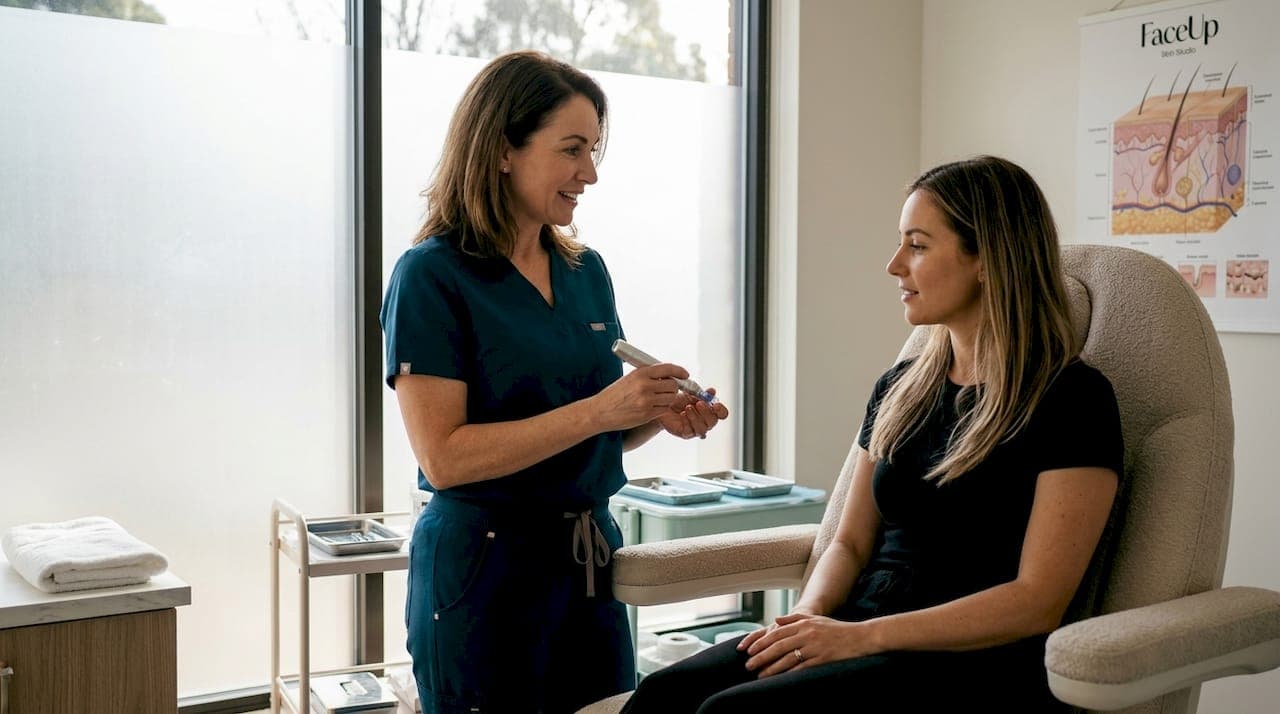
Microneedling uses a device fitted with fine, sterile needles to create controlled micro-injuries across the surface of the skin. These tiny punctures are deliberate. They are designed to trigger the skin’s natural repair response without causing lasting damage. The depth and density of the needles are adjusted by your practitioner depending on your skin type and the concern being treated.
When those micro-injuries occur, the body responds in a cascade of healing activity. Controlled micro-injuries boost collagen and elastin production, which are the two structural proteins responsible for keeping skin firm, smooth, and resilient. As you age, both decline steadily, which is why fine lines and laxity become more noticeable over time. Microneedling essentially prompts the skin to rebuild what it has lost.
The physiological process goes deeper than collagen alone. Healing triggers fibroblast migration and growth factor release, both of which are essential to genuine tissue remodelling. Fibroblasts are the cells that synthesise collagen and elastin. When they migrate to the treated area, they lay down fresh structural support. Angiogenesis, the formation of new blood vessels, also occurs, improving circulation and nutrient delivery to the skin.
The micro-channels created during treatment also temporarily increase skin permeability. This is particularly valuable when serums or growth factors are applied immediately after, as they penetrate far more effectively than they would through intact skin. This is one reason the skin rejuvenation process with microneedling pairs so well with adjunct therapies such as PRP therapy, where platelet-rich plasma is applied to amplify healing.
Key physiological responses during microneedling include:
-
Stimulation of collagen and elastin synthesis
-
Fibroblast migration to the treatment zone
-
Release of growth factors that support tissue repair
-
Angiogenesis, improving blood supply to treated skin
-
Increased skin permeability for enhanced product absorption
-
Gradual improvement in barrier function over subsequent weeks
“The skin’s healing response to microneedling is not simply superficial. It involves deep structural changes that accumulate over multiple sessions, producing results that continue to improve for months after treatment.”
Pro Tip: At-home derma rollers use the same principle but cannot match the precision, needle depth, or sterility of a clinical device. Professional microneedling reduces the risk of infection and uneven results considerably.
Microneedling benefits: What results can you expect?
Once you know how microneedling functions, it is crucial to see the genuine impact it delivers.
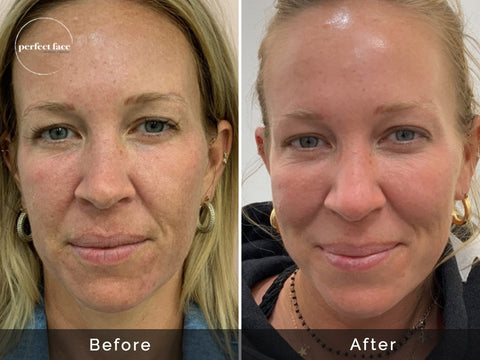
Clinical evidence supports meaningful improvements across several skin concerns. Standard microneedling across 3 to 4 sessions produces a 40 to 60 per cent improvement in scars and wrinkles, which is a significant outcome for a non-surgical procedure. Radiofrequency microneedling, which combines needle stimulation with thermal energy, pushes those figures further.
| Concern | Standard microneedling | RF microneedling |
|---|---|---|
| Acne scars | 40 to 60% improvement | Up to 70% improvement |
| Fine lines and wrinkles | 40 to 55% improvement | Up to 65% improvement |
| Skin hydration | Moderate improvement | Over 80% improved hydration |
| Skin tone and texture | Noticeable improvement | Significant improvement |
Beyond the headline numbers, microneedling offers several practical advantages that make it appealing for people with busy lives:
-
Short recovery period: Most clients experience redness for 24 to 48 hours, similar in appearance to mild sunburn
-
Minimal disruption: Many people return to work the following day
-
Improved product absorption: Skin responds better to topical treatments in the weeks following a session
-
Cumulative results: Each session builds on the last, with improvements continuing for up to six months
-
Versatility: Effective on the face, neck, décolletage, and even the scalp
For context, those interested in how these results compare to energy-based options can explore laser treatment results or review the benefits of laser treatment in more detail.
Pro Tip: Take a photograph of your skin in consistent lighting before your first session and again after each treatment. Skin changes gradually, and photos make it far easier to appreciate the progress objectively.
Microneedling vs other skin treatments: A clear comparison
It is equally important to weigh up microneedling against other popular options in Walthamstow.
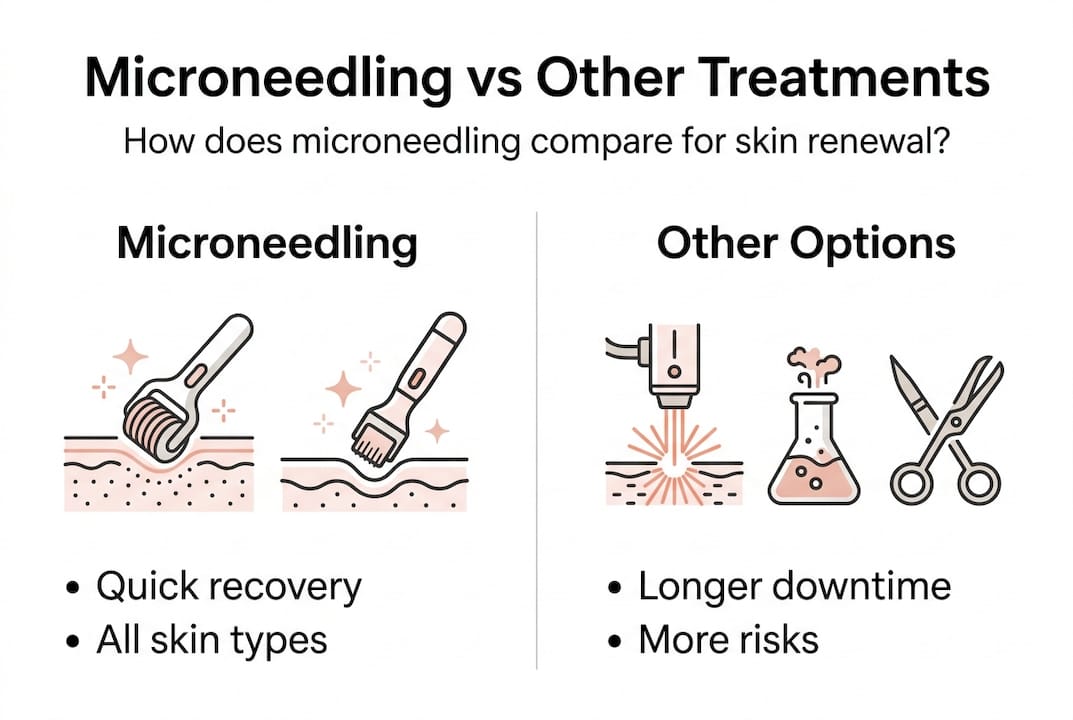
Understanding where microneedling sits relative to lasers, chemical peels, and at-home devices helps you make a genuinely informed decision. Each approach has its strengths, and the right choice depends on your skin type, concerns, budget, and tolerance for downtime.
| Treatment | Efficacy | Downtime | Skin types | Key risk |
|---|---|---|---|---|
| Microneedling | High for scars, lines, tone | 1 to 2 days | Most types | Infection if unsterile |
| Ablative laser | Very high for resurfacing | 7 to 14 days | Lighter skin tones | Pigmentation changes |
| Chemical peel | Moderate to high | 3 to 10 days | Varies by depth | Sensitivity, peeling |
| At-home roller | Low to moderate | Minimal | Most types | Infection, inconsistency |
Microneedling is an effective alternative to lasers and peels with a notably quicker recovery profile. For clients who cannot afford extended downtime or who have skin tones that carry a higher risk of post-inflammatory hyperpigmentation with laser, microneedling is frequently the safer and equally effective choice.
However, it is important to be honest about limitations. Some studies show no improvement versus saline for older women with more advanced skin laxity, suggesting that microneedling alone may not be sufficient in every case. For more complex concerns, it is sometimes most effective when combined with treatments such as non-surgical skin tightening or exosome therapy.
For a side-by-side breakdown of energy-based options, you can also read more about laser vs microneedling to clarify which approach suits your goals.
Factors that influence your results include:
-
Your age and baseline skin condition
-
The skill and experience of your practitioner
-
The quality and calibration of the device used
-
How consistently you follow your aftercare routine
“Results depend on age, skin type, and the practitioner’s skill. Microneedling in the right hands, with the right device, for the right candidate, produces outcomes that genuinely rival more aggressive treatments.”
Who should (and shouldn’t) try microneedling?
Armed with a comparison, let us explore whether this procedure is truly right for you.
Microneedling suits a broad range of people, but it is not universally appropriate. Knowing where you fall helps you approach a consultation with clarity.
Those most likely to benefit:
-
Adults in their 30s to 60s noticing fine lines, mild to moderate skin laxity, or uneven texture
-
People with acne scarring or post-inflammatory marks that have not responded to topical treatments
-
Individuals with enlarged pores or dull, tired-looking skin who want a visible refresh
-
Those seeking a non-surgical option with minimal recovery time
-
Clients who want to enhance the absorption and effectiveness of their existing skincare routine
Those who should avoid microneedling:
-
Active skin infections, open wounds, or inflammatory acne in the treatment area
-
Current or recent use of isotretinoin (a prescription acne medication)
-
Keloid-prone skin or higher pigmentation risk in darker skin tones, which requires careful assessment
-
Blood clotting disorders or use of anticoagulant medication
-
Pregnancy, as a precautionary measure
Radiofrequency microneedling carries additional considerations, particularly regarding the FDA’s warnings around device safety. Your practitioner should be fully briefed on your medical history before any treatment begins.
Pro Tip: Always verify that your provider holds recognised qualifications in aesthetic medicine. A skilled practitioner will conduct a thorough consultation, assess your contraindications, and tailor the treatment to your specific skin. This is where the professional advantage becomes most apparent.
During your consultation, be prepared to discuss your full medical history, any medications you are taking, previous skin treatments, and your specific goals. The more information your practitioner has, the more precisely they can follow proven anti-ageing methods to achieve the results you are looking for.
The uncomfortable truth about microneedling most clinics won’t tell you
Having explored who stands to benefit, let us challenge some persistent industry myths and share honest insights.
Microneedling is genuinely effective, but it is not a miracle treatment, and we think it is important to say that clearly. The aesthetics industry sometimes oversells outcomes, and clients arrive expecting transformation after a single session. The reality is more nuanced.
Results accumulate over time. A single session will not erase deep scarring or significantly lift loose skin. A tailored course, sometimes combined with complementary treatments, is what produces the kind of results worth talking about. We have seen clients achieve outstanding improvements, but those outcomes are almost always the product of a considered plan, not a one-off appointment.
The practitioner matters enormously. Two clinics offering the same treatment can deliver vastly different experiences and results, depending on the device quality, needle depth calibration, and aftercare guidance. Choosing a reputable London skin studio with demonstrable expertise is not a luxury. It is the single most important variable in your outcome.
We encourage you to ask questions, request to see before and after photographs, and ensure your consultation feels thorough rather than rushed. Your skin deserves that level of care.
Ready to experience the benefits of microneedling in Walthamstow?
If you are considering next steps, here is where to start.
Microneedling offers a clinically supported path to smoother, firmer, and more even-toned skin without surgery or extended downtime. Whether your concern is acne scarring, fine lines, or simply a loss of that natural radiance, the evidence is clear: with the right practitioner and a personalised plan, results are achievable.

At FaceUp Skin Studio in Walthamstow, we combine clinical expertise with a genuinely personalised approach. Every client receives a thorough consultation before any treatment begins. If you would like to learn more before booking, our expert skin advice library covers a wide range of treatments and concerns to help you feel fully informed and confident in your decision.
Frequently asked questions
Is microneedling painful?
Microneedling typically causes mild discomfort, but most clients find it very manageable, particularly when a numbing cream is applied beforehand. Professional microneedling has a low complication rate and discomfort is kept to a minimum in a clinical setting.
How many microneedling sessions are needed for visible results?
Most people see significant improvement after 3 to 4 sessions spaced several weeks apart. Clinical data support 40 to 60% improvement with this course of treatment.
Can microneedling treat acne scars?
Yes, microneedling is one of the most effective non-surgical options for reducing the appearance of acne scars. It works by increasing collagen production in the scarred tissue, gradually improving texture and depth over multiple sessions.
What are the main risks of microneedling?
The most common side effects are temporary redness and mild swelling. More serious but rare risks include infection and pigmentation changes, particularly in those with keloid-prone or darker skin, which is why choosing a qualified practitioner is essential.