

Many people believe laser skin treatment is risky, painful, or only for dramatic makeovers, but modern techniques offer safe, personalised solutions for ageing, acne, and pigmentation. Confusion about which laser method suits your skin type or concern can delay decisions and leave you frustrated. This guide clarifies the differences between ablative, non-ablative, and fractional lasers, explains how each works, and shows you how to choose the right treatment with professional care in East London. You will gain the knowledge to confidently pursue effective, safe skin rejuvenation tailored to your needs.
Table of Contents
- What is laser skin treatment and how does it work?
- Comparing ablative and non-ablative laser treatments: benefits and risks
- Choosing the right laser skin treatment for your concerns
- What to expect during and after laser skin treatment
- Discover personalised laser skin treatments at FaceUp Skin Studio
- FAQ
Key takeaways
| Point | Details |
|---|---|
| Laser types vary in intensity | Ablative lasers remove surface layers for dramatic results, whilst non-ablative gently heat deeper tissue with less downtime. |
| Fractional lasers target precisely | They create micro-treatment zones, speeding recovery and reducing risks compared to full-surface ablation. |
| Non-ablative suits sensitive concerns | Safer for acne scars and pigmentation, these lasers stimulate collagen without removing skin layers. |
| Professional clinics ensure safety | CQC-registered, doctor-led practices in East London deliver personalised treatment plans for optimal outcomes. |
| Combination therapies enhance results | Pairing laser types can improve efficacy, but requires careful medical supervision and is not first-line for all conditions. |
What is laser skin treatment and how does it work?
Laser skin treatment uses focused light energy to address skin concerns by targeting specific layers or structures within your skin. The laser emits a precise wavelength that heats or removes tissue, stimulating collagen production, reducing pigmentation, or resurfacing damaged areas. Different laser types deliver varying intensities and depths of treatment, making them suitable for distinct issues like wrinkles, acne scars, or uneven tone. Understanding these categories helps you recognise which approach aligns with your goals and tolerance for downtime.
The main methodologies include ablative lasers like CO2 and Er:YAG, which remove the top skin layers for dramatic resurfacing, and non-ablative lasers such as Nd:YAG, Er:Glass, and pulsed dye lasers that heat subsurface tissue without ablation for gentler collagen stimulation. Intense pulsed light (IPL) uses broad-spectrum light to target pigmentation and redness, whilst fractional lasers create micro-zones of treatment, leaving surrounding tissue intact for faster healing. Each method targets different skin layers or concerns, from surface imperfections to deep structural support.
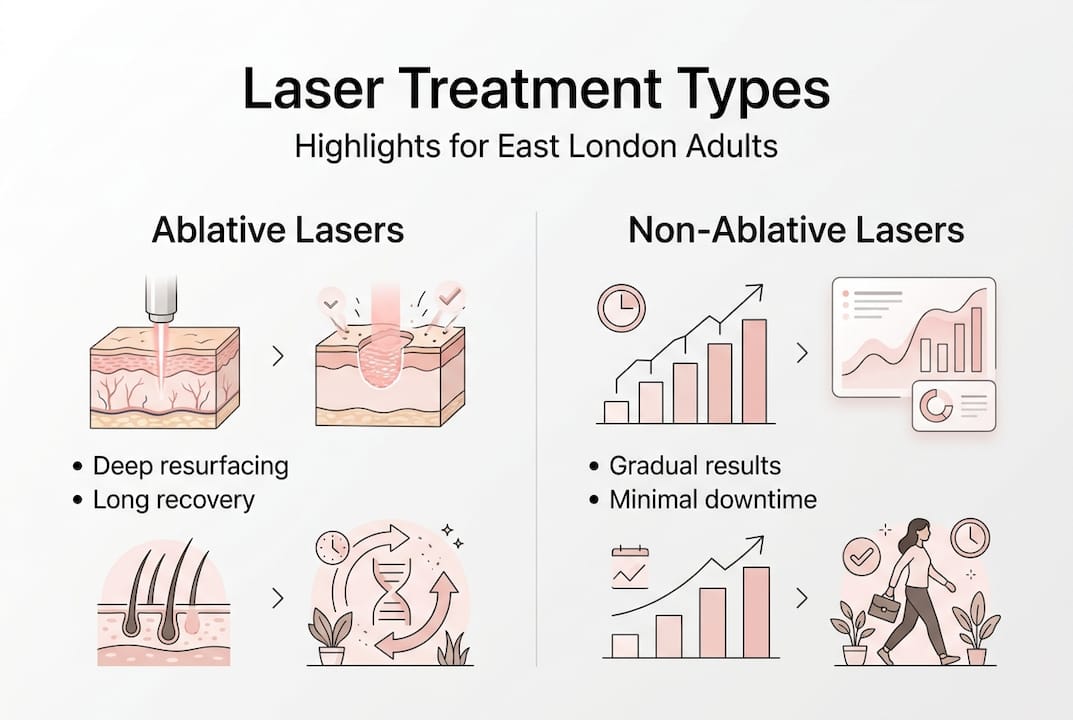
Ablative lasers work by vaporising the epidermis and part of the dermis, forcing the skin to regenerate with tighter, smoother tissue. Recovery typically takes one to three weeks, with visible peeling and redness. Non-ablative lasers penetrate without removing surface layers, heating collagen fibres to trigger remodelling over several months. This approach involves minimal downtime, often just mild redness for a few days. Fractional lasers, whether ablative or non-ablative, deliver energy in a pixelated pattern, treating only a fraction of the skin at a time to reduce healing time and complication risk.
Common laser types include CO2 lasers for deep wrinkles and severe sun damage, Er:YAG for moderate resurfacing with less heat damage, and Er:Glass for acne scars with reduced pain. Pulsed dye lasers excel at treating vascular lesions and redness, whilst Nd:YAG lasers safely address pigmentation in darker skin tones. IPL, though technically not a true laser, offers versatile treatment for sun spots, broken capillaries, and uneven texture. Choosing the right type depends on your specific concern, skin type, and willingness to manage recovery.
Pro Tip: Always seek a professional laser treatment overview from a qualified practitioner who can assess your skin in person. Online research provides valuable context, but personalised evaluation ensures you receive the safest, most effective treatment for your unique skin profile and lifestyle.
Comparing ablative and non-ablative laser treatments: benefits and risks
Ablative and non-ablative lasers differ fundamentally in how they interact with your skin, leading to distinct benefits, risks, and recovery profiles. Ablative lasers deliver more dramatic results by removing surface tissue, making them ideal for deep wrinkles, severe scarring, and significant sun damage. However, they involve longer downtime, greater discomfort, and higher risks of complications like infection, prolonged redness, or pigmentation changes. Non-ablative lasers offer safer, gradual improvements with minimal downtime, making them suitable for those with busy schedules or lower tolerance for recovery.
Meta-analyses reveal that Er:Glass lasers achieve efficacy comparable to CO2 for acne scars but cause significantly less pain, with a mean difference of 1.70 on the visual analogue scale, and shorter downtime. Non-ablative lasers demonstrate superior safety profiles for atrophic scars, whilst Er:YAG lasers excel in skin rejuvenation, producing excellent responses in 20% of cases. These findings highlight how laser selection impacts both outcomes and patient experience, emphasising the importance of matching treatment intensity to your goals and risk tolerance.
| Feature | Ablative lasers | Non-ablative lasers |
|---|---|---|
| Efficacy | Dramatic, immediate results for deep concerns | Gradual, cumulative improvements over months |
| Pain level | Higher discomfort, often requires anaesthesia | Mild to moderate, usually tolerable with topical numbing |
| Downtime | One to three weeks with peeling, redness | Few days of mild redness, minimal disruption |
| Risks | Infection, scarring, prolonged redness, pigmentation changes | Temporary swelling, rare pigmentation issues |
| Best for | Severe wrinkles, deep scars, significant sun damage | Mild to moderate ageing, acne scars, pigmentation |
Ablative treatments work best when you need substantial correction and can commit to extended recovery. They remove damaged tissue entirely, forcing regeneration and delivering tighter, more youthful skin. Non-ablative lasers suit those seeking steady improvement without interrupting daily life, as they stimulate collagen remodelling beneath the surface without wounding the epidermis. Both approaches can address similar concerns, but your choice hinges on how much downtime you accept and how quickly you want visible change.

Combination therapies, such as pairing pulsed dye lasers with CO2 resurfacing, can enhance outcomes by targeting multiple skin layers or concerns simultaneously. However, these protocols require careful medical guidance to avoid over-treatment and are not first-line options for conditions like melasma, where laser energy can worsen pigmentation. Discuss combination approaches with a qualified practitioner who understands your skin's response patterns and can sequence treatments safely.
Pro Tip: If you are considering ablative treatment, schedule it during a period when you can avoid sun exposure and social commitments for at least two weeks. Proper healing requires strict sun protection, gentle skincare, and patience, as premature makeup application or sun exposure can compromise results and increase complication risks.
Choosing the right laser skin treatment for your concerns
Selecting the optimal laser treatment begins with identifying your primary skin concern and understanding how different lasers address it. Ageing typically involves fine lines, wrinkles, and loss of firmness, which respond well to fractional CO2 or Er:YAG lasers that stimulate deep collagen remodelling. Acne scars, whether boxcar, rolling, or ice-pick types, benefit from fractional ablative or Er:Glass lasers that break down scar tissue and promote smoother regeneration. Pigmentation issues like sun spots, melasma, or post-inflammatory hyperpigmentation require targeted approaches such as IPL, pulsed dye lasers, or carefully calibrated non-ablative treatments to avoid worsening pigment.
Your skin type significantly influences which laser is safest and most effective. Lighter skin tones tolerate a wider range of lasers, including high-energy ablative options, with lower risk of pigmentation changes. Darker skin tones require more conservative approaches, such as Nd:YAG lasers or lower-energy fractional treatments, to minimise hyperpigmentation or scarring risks. A thorough consultation with a qualified practitioner ensures your treatment plan respects your skin's unique characteristics and healing patterns.
Lifestyle factors also shape your decision. If you cannot afford significant downtime, non-ablative or fractional lasers offer effective results with minimal disruption. Those willing to invest in recovery for more dramatic change may prefer ablative resurfacing. Budget considerations matter too, as ablative treatments often cost more per session but may require fewer sessions, whilst non-ablative treatments are gentler but may need multiple appointments for comparable results. Sensitivity to pain and your tolerance for temporary side effects like redness or swelling should inform your choice as well.
Follow this five-step process to select the optimal treatment and provider:
- Identify your primary concern (ageing, acne scars, pigmentation) and secondary goals (texture, tone, firmness).
- Research which laser types address your concern effectively, using evidence-based sources and clinical data.
- Assess your lifestyle constraints, including available downtime, budget, and pain tolerance.
- Seek consultations with CQC-registered clinics in East London that offer personalised, doctor-led treatment plans.
- Confirm the practitioner's qualifications, experience with your skin type, and willingness to tailor treatments to your needs.
For East London adults, choosing CQC-registered clinics with doctor-led fractional or non-ablative options ensures safe, tailored solutions for anti-ageing, acne, and pigmentation concerns. Professional clinics conduct thorough assessments, including skin type analysis, medical history review, and realistic expectation setting, before recommending a treatment plan. They also provide comprehensive aftercare guidance and follow-up appointments to monitor progress and adjust protocols as needed.
Qualified providers use medical-grade equipment, maintain rigorous hygiene standards, and stay current with emerging techniques and safety protocols. They prioritise informed consent, ensuring you understand potential risks, benefits, and alternatives before proceeding. Avoid clinics that pressure you into immediate treatment or promise unrealistic results, as these practices often compromise safety and outcomes. Instead, invest time in finding laser clinics in East London that demonstrate transparency, expertise, and genuine concern for your wellbeing.
What to expect during and after laser skin treatment
Understanding the treatment process from start to finish helps you prepare mentally and practically, reducing anxiety and improving your experience. Your journey begins with a consultation where the practitioner assesses your skin, discusses your goals, and explains the recommended laser type, expected results, and potential side effects. They may take photographs for comparison, conduct a patch test to gauge your skin's response, and provide pre-treatment instructions such as avoiding sun exposure, certain skincare products, or medications that increase sensitivity.
On the day of treatment, follow these steps:
- Arrive with clean, makeup-free skin as directed by your practitioner.
- The practitioner applies topical anaesthetic cream if needed, allowing 30 to 60 minutes for numbing.
- Protective eyewear is provided to shield your eyes from laser light.
- The laser is applied in systematic passes across the treatment area, with cooling devices or cold air to minimise discomfort.
- The session typically lasts 15 to 60 minutes depending on the area size and laser type.
- Post-treatment products like soothing gels or barrier creams are applied immediately.
During the procedure, you may feel sensations ranging from mild warmth and tingling with non-ablative lasers to more intense heat and snapping sensations with ablative types. Most patients describe non-ablative treatments as tolerable, whilst ablative procedures often require stronger numbing or even sedation for comfort. Immediate effects include redness, swelling, and a sunburn-like feeling that intensifies over the first few hours. Ablative treatments may cause oozing or crusting as the skin begins to heal.
Typical side effects and healing timelines vary by laser type. Non-ablative treatments usually involve shorter downtime and less pain, with redness subsiding within two to five days and full recovery in one week. Ablative treatments require longer healing, with peeling and redness lasting one to three weeks and full collagen remodelling continuing for several months. Rare complications include infection, prolonged redness, pigmentation changes, or scarring, which emphasise the importance of choosing experienced practitioners and following aftercare instructions meticulously.
Aftercare steps for optimal recovery include:
- Keep the treated area clean and moisturised with recommended products, avoiding harsh cleansers or exfoliants.
- Apply broad-spectrum SPF 50 sunscreen daily, even indoors, to prevent pigmentation and protect healing skin.
- Avoid direct sun exposure, saunas, hot showers, and strenuous exercise for at least one week.
- Do not pick at peeling skin or crusts, as this increases scarring and infection risks.
- Attend all follow-up appointments to monitor healing and address any concerns promptly.
"Laser skin treatment transforms your skin gradually, with patience and proper care. Non-ablative methods deliver subtle, cumulative improvements, whilst ablative treatments offer dramatic change but demand commitment to recovery. Trust the process, follow your practitioner's guidance, and protect your investment with diligent sun protection and gentle skincare."
Managing expectations is crucial. Results from non-ablative lasers emerge over weeks to months as collagen rebuilds, requiring multiple sessions for optimal outcomes. Ablative treatments show more immediate improvement once healing completes, but final results also develop over months. Both approaches demand ongoing maintenance, including sun protection, quality skincare, and potentially periodic touch-up treatments to sustain benefits. Realistic expectations and commitment to laser treatment recovery guidance ensure satisfaction and long-term skin health.
Discover personalised laser skin treatments at FaceUp Skin Studio
If you are ready to explore safe, effective laser skin treatments tailored to your unique needs, FaceUp Skin Studio offers expert, doctor-led care in East London. Their clinic specialises in fractional and non-ablative laser options designed to address ageing, acne scars, and pigmentation concerns with precision and minimal downtime. Each treatment plan is personalised after thorough consultation, ensuring your skin type, goals, and lifestyle are fully considered. As a CQC-registered practice, FaceUp Skin Studio maintains the highest safety and quality standards, giving you confidence in your care.
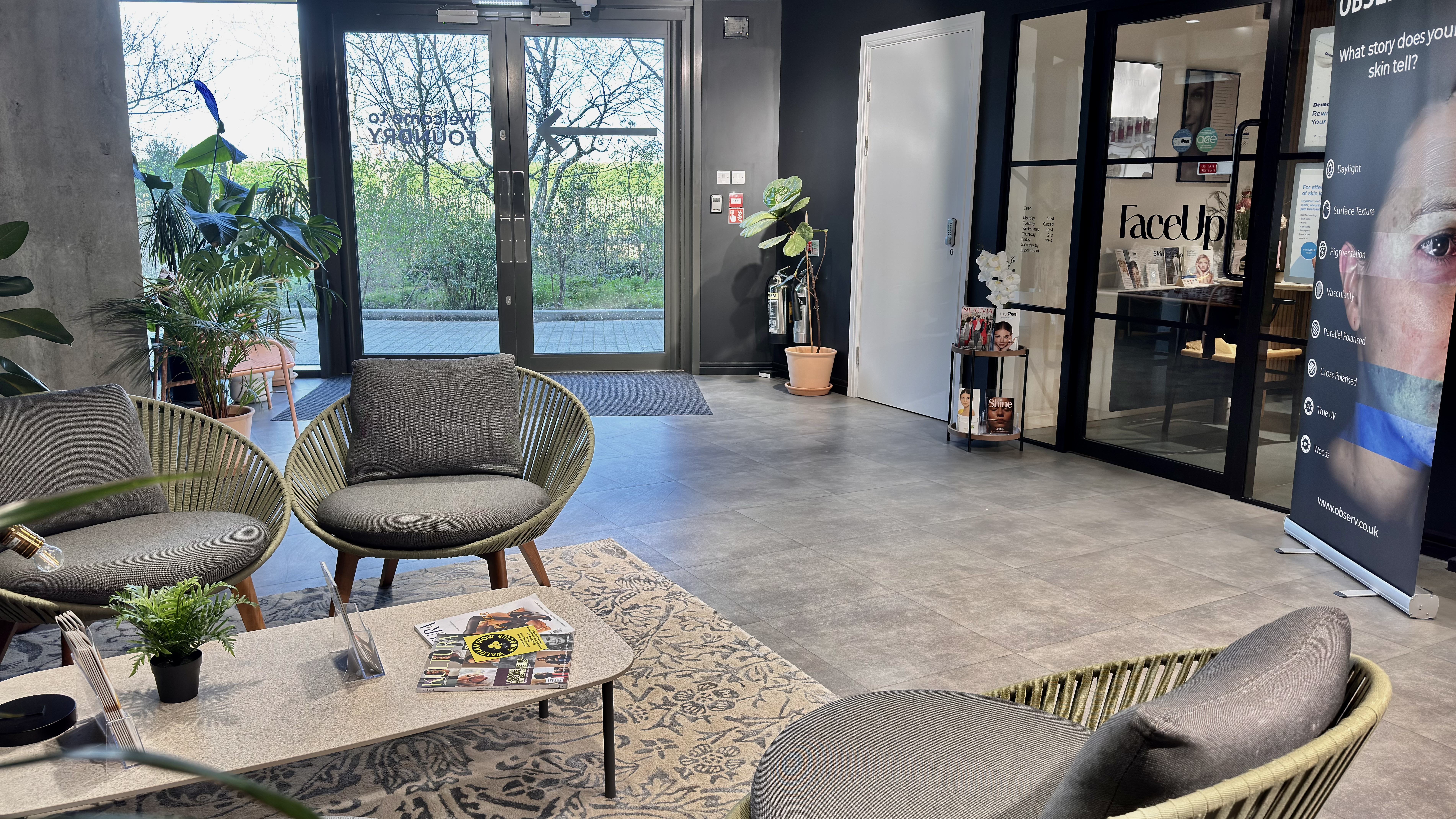
Their experienced practitioners combine advanced laser technology with compassionate, individualised attention, guiding you through every step from initial assessment to post-treatment follow-up. Whether you seek subtle rejuvenation or more intensive correction, their team crafts a protocol that balances efficacy with your comfort and schedule. Visit the FaceUp Skin Studio homepage to learn more about their services, book a consultation, and take the first step towards clearer, healthier skin.
Pro Tip: Early consultation allows you to plan treatments around your schedule, optimise skin preparation, and address any concerns before committing. Many clinics offer complimentary consultations, so take advantage of this opportunity to meet your practitioner, tour the facility, and ensure you feel confident and informed before proceeding.
FAQ
Is laser skin treatment safe for all skin types?
Laser skin treatment is generally safe when performed by qualified practitioners who tailor the approach to your skin type and tone. However, risks vary depending on your melanin levels, as darker skin tones are more prone to pigmentation changes or scarring with high-energy lasers. Professional clinics conduct thorough assessments, often including patch tests, to identify the safest laser type and settings for your skin. Choosing a CQC-registered provider with experience treating diverse skin types minimises complications and ensures personalised care.
How long does it take to see results from laser skin treatment?
Non-ablative laser results appear gradually over several weeks to months as collagen remodelling progresses beneath the skin's surface. You may notice initial improvements in texture and tone within two to four weeks, with optimal outcomes developing after three to six months and multiple sessions. Ablative laser results can be seen sooner, often within weeks once the initial healing completes, but full collagen regeneration and skin tightening continue for several months. Patience and adherence to aftercare protocols are essential for achieving and maintaining the best possible outcomes.
Can laser skin treatment help reduce acne scars and pigmentation?
Yes, laser skin treatment is highly effective for reducing acne scars and pigmentation when the appropriate laser type is selected. Fractional lasers and Er:Glass lasers excel at breaking down scar tissue and stimulating smoother skin regeneration for acne scars. IPL and pulsed dye lasers target pigmentation and redness by delivering light energy that fragments melanin deposits or constricts blood vessels. Multiple sessions are often required for significant improvement, and results depend on scar depth, pigmentation severity, and your skin's healing response.
What are the typical side effects and downtime after laser skin treatment?
Mild redness and swelling are common side effects, lasting a few days to several weeks depending on the laser type and intensity used. Non-ablative treatments involve minimal downtime, often just two to five days of mild redness and sensitivity, allowing most people to resume normal activities quickly. Ablative treatments require longer healing, with peeling, crusting, and redness persisting for one to three weeks, necessitating time off work and social events. Rare complications include infection, prolonged redness, pigmentation changes, or scarring, which underscore the importance of choosing experienced practitioners and following aftercare instructions diligently.