

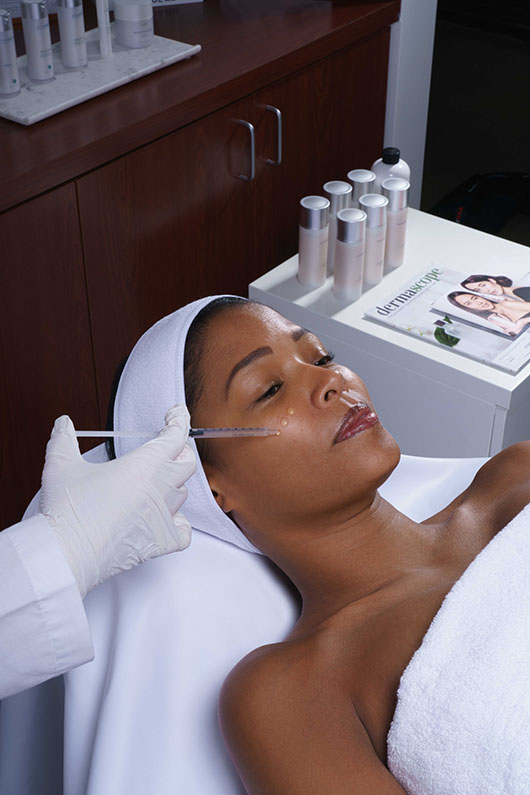
Most people assume skin ageing is about what you apply to the surface, but the real story unfolds at a cellular level where microscopic messengers called exosomes coordinate your skin’s repair and renewal. Exosome therapy represents a breakthrough in non-surgical skin rejuvenation, harnessing these natural signals to restore youthful vitality without invasive procedures. This article explores what exosome therapy is, how it works scientifically, the clinical evidence supporting its benefits, and practical considerations for adults in East London seeking cutting-edge anti-ageing solutions.
Table of Contents
-
What are exosomes and how do they work in skin rejuvenation?
-
Clinical evidence and benefits of exosome therapy for skin rejuvenation
-
How exosome therapy compares to other anti-ageing treatments
-
Practical considerations: what to expect and who is a good candidate?
-
Discover advanced exosome therapy at FaceUp Skin Studio in East London
Key takeaways
| Point | Details |
|---|---|
| Natural cellular messengers | Exosomes are tiny vesicles that carry proteins and genetic material to regulate skin repair and collagen production. |
| Clinically proven results | Studies show exosome therapy improves collagen content, elasticity, hydration, and reduces pigmentation when combined with treatments like microneedling. |
| Safe non-cellular approach | Exosome therapy delivers multiple growth factors without introducing live cells, minimising immune rejection risks. |
| Enhanced combination potential | Pairing exosome therapy with microneedling or other modalities amplifies skin rejuvenation outcomes. |
What are exosomes and how do they work in skin rejuvenation?
Understanding exosomes begins with recognising them as fundamental communication tools your body uses every day. Exosomes are extracellular vesicles: tiny membrane-bound bubbles, typically 30 to 150 nanometres in diameter, generated by essentially every cell type in the body. These microscopic packages function as sophisticated delivery systems, carrying proteins, lipids, and RNA molecules that instruct neighbouring cells on how to behave.
In healthy, youthful skin, exosomes coordinate essential processes that maintain appearance and function. They shuttle growth factors and genetic instructions between fibroblasts, keratinocytes, and immune cells, orchestrating collagen synthesis, moderating inflammatory responses, and directing tissue repair. When this communication network operates efficiently, your skin remains firm, hydrated, and resilient against environmental damage.
Exosomes play several critical roles in maintaining skin health:
-
Promoting collagen and elastin synthesis for structural integrity
-
Regulating inflammatory responses to prevent chronic damage
-
Coordinating tissue regeneration after injury or stress
-
Enhancing cellular metabolism for optimal function
As we age, the quantity and quality of exosomes produced by our cells decline, contributing to visible signs of ageing like wrinkles, sagging, and uneven pigmentation. Exosome therapy aims to restore this cellular dialogue by introducing concentrated exosomal preparations derived from young, healthy cells. These therapeutic exosomes deliver the same molecular messages that youthful skin naturally produces.
“The skin’s homeostasis is, in significant part, a product of this constant exosomal communication.”
The beauty of exosome therapy lies in its biomimetic approach. Rather than forcing skin cells to respond through harsh chemicals or invasive procedures, it simply reintroduces the natural signals that decline with age. This makes exosome therapy particularly attractive for those exploring advanced skin treatments in East London who want scientifically grounded solutions without surgical intervention. The therapy essentially reminds your skin how to behave like younger tissue by restoring the communication pathways that time has diminished.
Clinical evidence and benefits of exosome therapy for skin rejuvenation
The scientific community has produced compelling evidence demonstrating exosome therapy’s effectiveness across multiple skin quality parameters. Research consistently shows improvements in collagen density, wrinkle depth, elasticity, hydration levels, and pigmentation balance when exosomes are incorporated into treatment protocols.
One landmark study revealed that microneedling with human adipose stem cell-derived exosomes significantly improved collagen content, wrinkle depth, elasticity, hydration, and dyspigmentation compared to microneedling alone after 12 weeks. The combination therapy produced measurably superior outcomes across every assessed parameter, suggesting exosomes amplify the skin’s natural healing response triggered by microneedling.
Another clinical trial examined topical application without microneedling. Researchers found that topical platelet-derived exosome serum reduced facial photodamage, redness, and melanin production over six weeks. Participants experienced visible improvements in skin tone and texture with minimal side effects, demonstrating that even non-invasive application methods deliver meaningful benefits.
| Treatment approach | Collagen improvement | Wrinkle reduction | Elasticity gain | Hydration increase |
|---|---|---|---|---|
| Microneedling alone | Moderate | Moderate | Minimal | Moderate |
| Microneedling with exosomes | Significant | Significant | Significant | Significant |
| Topical exosome serum | Mild | Mild | Mild | Moderate |
Beyond aesthetic improvements, exosomes demonstrate powerful anti-inflammatory properties. Studies on MSC exosomes tissue regeneration show they modulate immune responses, reducing chronic inflammation that accelerates skin ageing. This dual action of promoting regeneration whilst calming inflammation makes exosomes particularly valuable for treating photodamaged or sensitised skin.
The accelerated wound healing observed in clinical settings further validates exosome therapy’s regenerative potential. Patients undergoing procedures that create controlled micro-injuries heal faster and with better aesthetic outcomes when exosomes are applied. This benefit extends to everyday skin repair, helping address accumulated environmental damage more efficiently.
Pro Tip: When considering exosome therapy, verify that your practitioner uses clinically validated exosome sources and standardised application protocols, as product quality and delivery methods significantly impact results.
These documented benefits position exosome therapy as a scientifically robust option for adults seeking professional skin rejuvenation treatments that deliver measurable improvements without surgical risks. The growing body of clinical evidence continues to expand our understanding of optimal treatment protocols and patient selection criteria.
How exosome therapy compares to other anti-ageing treatments
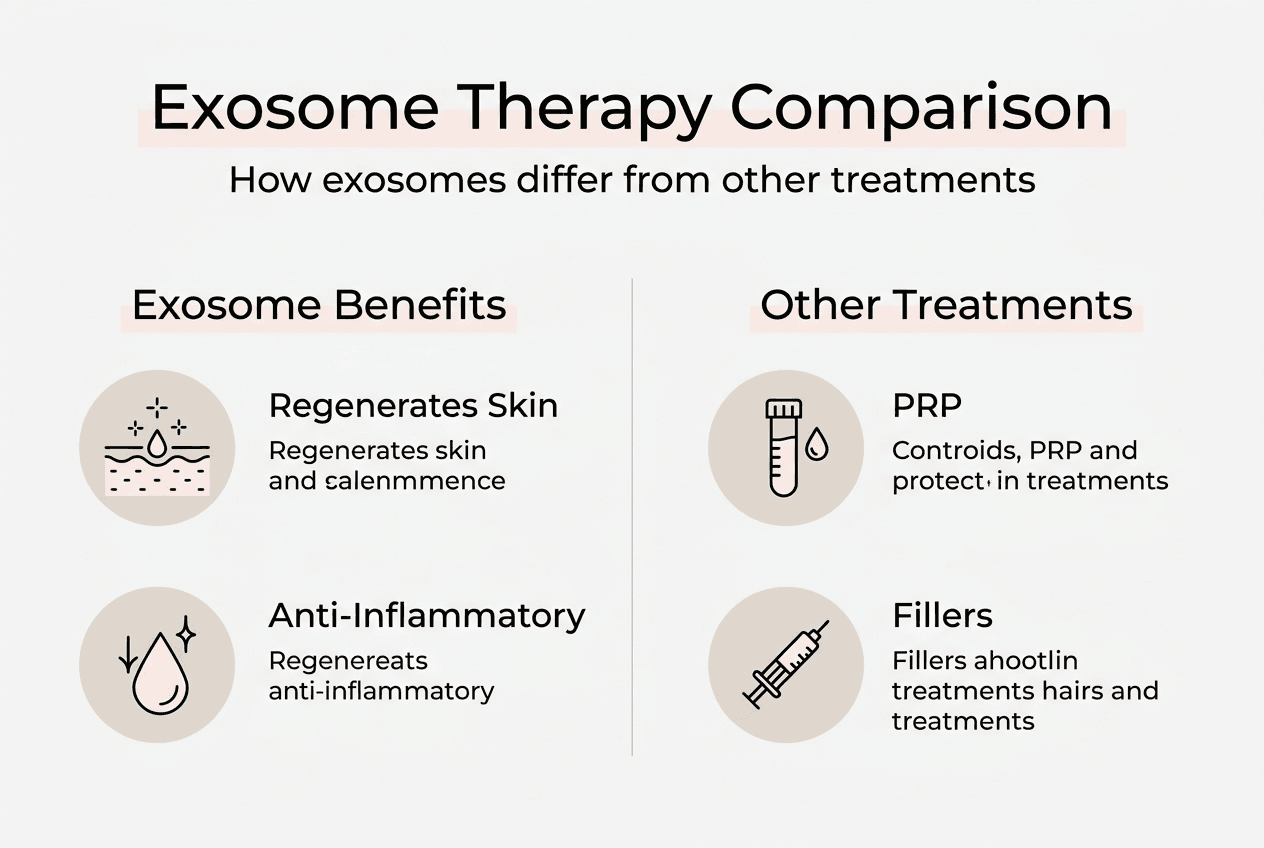
Navigating the landscape of non-surgical anti-ageing options requires understanding how different treatments work and what distinguishes them. Exosome therapy occupies a unique position between traditional topical serums and cellular therapies like platelet-rich plasma.
Platelet-rich plasma therapy involves drawing your blood, concentrating the platelets through centrifugation, then reinjecting or applying this preparation to stimulate healing. PRP contains growth factors that promote tissue regeneration, but results vary based on individual platelet quality and concentration achieved. Traditional serums deliver synthetic or plant-derived compounds that may support skin function but lack the complex signalling networks found in biological therapies.
Exosomes represent a middle ground containing multiple growth factors within a protective lipid membrane, but without risks from foreign cell introduction. This structural advantage allows exosomes to penetrate tissue more effectively whilst delivering coordinated molecular messages rather than isolated compounds.
| Treatment type | Mechanism | Key benefits | Potential limitations | Typical results timeline |
|---|---|---|---|---|
| Exosome therapy | Multi-factor cellular signalling | Comprehensive regeneration, low rejection risk | Requires quality sourcing | 4-12 weeks |
| Platelet-rich plasma | Autologous growth factors | Natural, uses own biology | Variable platelet quality | 6-12 weeks |
| Traditional serums | Topical compound delivery | Easy application, affordable | Limited penetration depth | 8-16 weeks |
| Microneedling alone | Controlled injury response | Collagen induction | Moderate results without additives | 8-12 weeks |
Exosome therapy advantages include:
-
Delivery of multiple coordinated growth factors simultaneously
-
No live cells involved, reducing immune rejection concerns
-
Protective lipid bilayer enhances stability and cellular uptake
-
Can be combined with various delivery methods for flexibility
Potential considerations:
-
Requires specialised sourcing and handling protocols
-
Cost may exceed traditional topical treatments
-
Optimal protocols still being refined through ongoing research
-
Practitioner expertise crucial for achieving best outcomes
PRP therapy advantages:
-
Uses your own biological material, eliminating foreign substance concerns
-
Well-established safety profile with decades of clinical use
-
Stimulates natural healing processes effectively
PRP considerations:
-
Results depend on individual blood composition and health status
-
Requires blood draw and processing time
-
May need multiple sessions for optimal outcomes
Pro Tip: Consult with practitioners experienced in both exosome and PRP therapies to determine which approach, or combination thereof, best addresses your specific skin concerns and goals.
For those exploring exosome therapy options in East London, understanding these distinctions helps set realistic expectations and choose treatments aligned with personal preferences regarding naturalness, invasiveness, and desired outcomes. Many practitioners now offer combination protocols that leverage the strengths of multiple approaches, such as pairing exosome application with microneedling or alternating between exosome and PRP treatments to maximise regenerative potential. The exosome vs PRP comparison study provides additional insights into how these therapies perform in head-to-head clinical evaluations.
Practical considerations: what to expect and who is a good candidate?
Understanding the treatment experience helps you prepare mentally and practically for exosome therapy. Most protocols involve straightforward procedures performed in clinical settings by trained aesthetic practitioners.
Typical exosome therapy sessions follow this sequence:
-
Pre-treatment skin assessment to evaluate current condition and identify specific concerns
-
Thorough cleansing and optional numbing cream application if combining with microneedling
-
Exosome serum application, either topically or via microneedling for enhanced penetration
-
Post-treatment soothing products and sun protection recommendations
-
Follow-up scheduling to monitor progress and adjust protocols as needed
Most patients experience minimal discomfort during treatment. When microneedling is incorporated, you might feel slight pressure or tingling sensations, but numbing cream effectively manages any discomfort. Immediately after treatment, mild redness or slight swelling may appear, typically resolving within 24 to 48 hours. Your practitioner will provide specific aftercare instructions, usually emphasising gentle cleansing, avoiding direct sun exposure, and using recommended moisturisers.
Results develop gradually as exosomes stimulate cellular processes that unfold over weeks. Some patients notice improved skin texture and radiance within two to three weeks, whilst more substantial changes in wrinkle depth and elasticity become apparent after six to twelve weeks. Clinical studies have shown a 40% reduction in proinflammatory secretions after six weeks of topical exosome treatment, indicating safety and inflammation modulation.
Ideal candidates for exosome therapy include:
-
Adults seeking non-surgical anti-ageing solutions with minimal downtime
-
Those experiencing early to moderate signs of skin ageing or photodamage
-
Individuals wanting to improve skin hydration, elasticity, and tone
-
People without active skin infections, open wounds, or severe inflammatory conditions
-
Those committed to following pre and post-treatment care instructions
Exosome therapy suits individuals who appreciate scientifically validated approaches and want treatments that work with their body’s natural processes. It particularly appeals to those who have tried traditional skincare products without achieving desired results but prefer avoiding more invasive procedures.
Contraindications are relatively few but important. Active skin infections, uncontrolled autoimmune conditions, pregnancy, and certain medications may preclude treatment or require modification. Your practitioner will conduct a thorough medical history review during consultation.
Pro Tip: Discuss any known allergies or skin sensitivities during your initial consultation so your practitioner can tailor the exosome preparation and delivery method to minimise reaction risks whilst maximising benefits.
The growing clinical acceptance of exosome therapy reflects its favourable safety profile and consistent results across diverse patient populations. For residents considering an exosome therapy consultation in East London, scheduling an assessment with an experienced practitioner provides personalised insights into expected outcomes, treatment frequency, and how exosome therapy fits within your broader skincare strategy.
Discover advanced exosome therapy at FaceUp Skin Studio in East London
If you’re ready to experience the regenerative benefits of exosome therapy, FaceUp Skin Studio offers expert guidance and personalised treatment protocols tailored to your unique skin goals. Our team stays current with the latest advances in aesthetic science, ensuring you receive evidence-based therapies delivered with precision and care.

We understand that choosing the right anti-ageing treatment involves careful consideration of your concerns, lifestyle, and desired outcomes. At FaceUp Skin Studio, we take time to assess your skin thoroughly, discuss your expectations, and design treatment plans that combine exosome therapy with complementary modalities when appropriate. Our commitment to personalised care means you’ll receive recommendations based on what genuinely suits your needs, not one-size-fits-all protocols.
Discover how FaceUp Skin Studio treatments can help you achieve naturally radiant, youthful skin through scientifically advanced therapies. Whether you’re exploring exosome therapy for the first time or seeking to enhance existing skincare routines, our practitioners provide the expertise and support you need. Book an exosome therapy consultation today to begin your journey towards healthier, more vibrant skin.
Frequently asked questions
What exactly are exosomes and how do they rejuvenate skin?
Exosomes are microscopic vesicles, 30 to 150 nanometres in size, that cells release to communicate with neighbouring cells. They carry proteins, lipids, and genetic material that instruct recipient cells to produce collagen, reduce inflammation, and repair damage. In skin rejuvenation, therapeutic exosomes restore the cellular communication that naturally declines with age, essentially reminding your skin how to function like younger tissue.
Is exosome therapy safe and are there side effects?
Exosome therapy demonstrates an excellent safety profile in clinical studies, with minimal adverse effects reported. Most patients experience only temporary mild redness or slight swelling that resolves within one to two days. Because exosomes contain no live cells, immune rejection risks are substantially lower than cellular therapies. Serious side effects are rare when treatments are performed by qualified practitioners using properly sourced exosome preparations.
How soon can I see results after starting exosome treatment?
Initial improvements in skin texture and radiance often appear within two to three weeks as cellular metabolism increases. More significant changes in wrinkle depth, elasticity, and pigmentation typically become noticeable after six to twelve weeks as collagen remodelling progresses. Results continue developing for several months following treatment as regenerative processes unfold, with many patients scheduling maintenance sessions every three to six months.
Can exosome therapy be combined with other skincare treatments?
Yes, exosome therapy combines exceptionally well with various treatments, particularly microneedling, which enhances exosome penetration and amplifies results. Many practitioners also pair exosomes with laser treatments, chemical peels, or radiofrequency procedures to maximise regenerative outcomes. Your practitioner will recommend optimal combinations and sequencing based on your specific concerns and treatment goals.
Who is the best candidate for exosome therapy and are there any contraindications?
Ideal candidates are adults with early to moderate skin ageing, photodamage, or concerns about texture, elasticity, and hydration who prefer non-surgical solutions. Those without active skin infections, uncontrolled autoimmune conditions, or pregnancy make excellent candidates. Certain medications or medical conditions may require treatment modifications, so thorough consultation with your practitioner ensures exosome therapy suits your individual circumstances safely and effectively.