

Many people believe aesthetic medicine is synonymous with cosmetic surgery, conjuring images of operating theatres and lengthy recoveries. In reality, the field centres on non-surgical, minimally invasive treatments designed to enhance your natural features and rejuvenate skin with little to no downtime. From injectable neurotoxins to energy-based devices, aesthetic medicine offers sophisticated solutions for wrinkle reduction, improved skin tone, and facial contouring without scalpels. This guide explains what aesthetic medicine truly involves, how treatments work at a biological level, the tangible benefits you can expect, and how to approach these procedures safely with qualified practitioners in East London.
Table of Contents
- Key Takeaways
- Defining aesthetic medicine: scope and common treatments
- How aesthetic medicine works: mechanisms behind skin rejuvenation
- Benefits and psychosocial impact of aesthetic medicine
- Risks, ethical considerations and patient guidance
- Explore expert aesthetic treatments in East London
- Frequently asked questions
Key Takeaways
| Point | Details |
|---|---|
| Non surgical focus | Aesthetic medicine centres on minimally invasive, non surgical treatments to improve appearance and skin without major downtime. |
| Common treatments | Includes injectable neurotoxins, dermal fillers, energy devices, lasers, chemical peels, and skincare protocols. |
| Natural looking outcomes | Treatments are designed to enhance facial features with minimal downtime and no obvious alteration. |
| Mechanisms explained | Procedures stimulate collagen, relax muscles, restore volume, and trigger regenerative skin responses at cellular level. |
| Safe practice emphasis | Choose qualified practitioners, understand risks, timelines, and ethical considerations to maximise safety. |
Defining aesthetic medicine: scope and common treatments
Aesthetic medicine is focused on minimally invasive, non-surgical techniques aimed at cosmetic improvements and skin rejuvenation. Unlike traditional cosmetic surgery requiring general anaesthesia and weeks of recovery, aesthetic medicine uses injectable products, energy-based devices, and regenerative therapies to enhance appearance with minimal disruption to daily life. These treatments target specific concerns such as fine lines, volume loss, uneven skin texture, and pigmentation irregularities.
Common procedures within aesthetic medicine include:
- Injectable neurotoxins like Botox that temporarily relax facial muscles to smooth expression lines
- Dermal fillers containing hyaluronic acid or other biocompatible substances to restore volume and contour
- Radiofrequency microneedling combining controlled skin injury with heat energy to trigger collagen production
- Laser treatments addressing pigmentation, vascular lesions, and skin resurfacing
- Chemical peels and medical-grade skincare protocols for texture and tone improvement
The primary distinction from surgical procedures lies in the approach. Aesthetic medicine enhances your existing features rather than restructuring them, aiming for natural-looking results that refresh your appearance without obvious alteration. Patients typically return to normal activities immediately or within a day or two, making these treatments particularly appealing for busy professionals. The goal centres on improving skin quality, reducing visible signs of ageing, and addressing specific aesthetic concerns through targeted, evidence-based interventions.
Pro Tip: Research your chosen treatment thoroughly before booking. Understanding the mechanism and expected timeline helps you set realistic goals and recognise quality providers who explain procedures honestly.
Treatments at FaceUp Skin Studio exemplify this modern approach, combining advanced technology with personalised care to deliver results that look natural and feel confidence-boosting.
How aesthetic medicine works: mechanisms behind skin rejuvenation
Understanding the biological mechanisms behind aesthetic treatments demystifies how they deliver visible improvements. At the cellular level, these procedures trigger specific responses that reverse or slow visible ageing processes. The science involves carefully controlled stimulation of your skin's natural repair and regeneration systems.
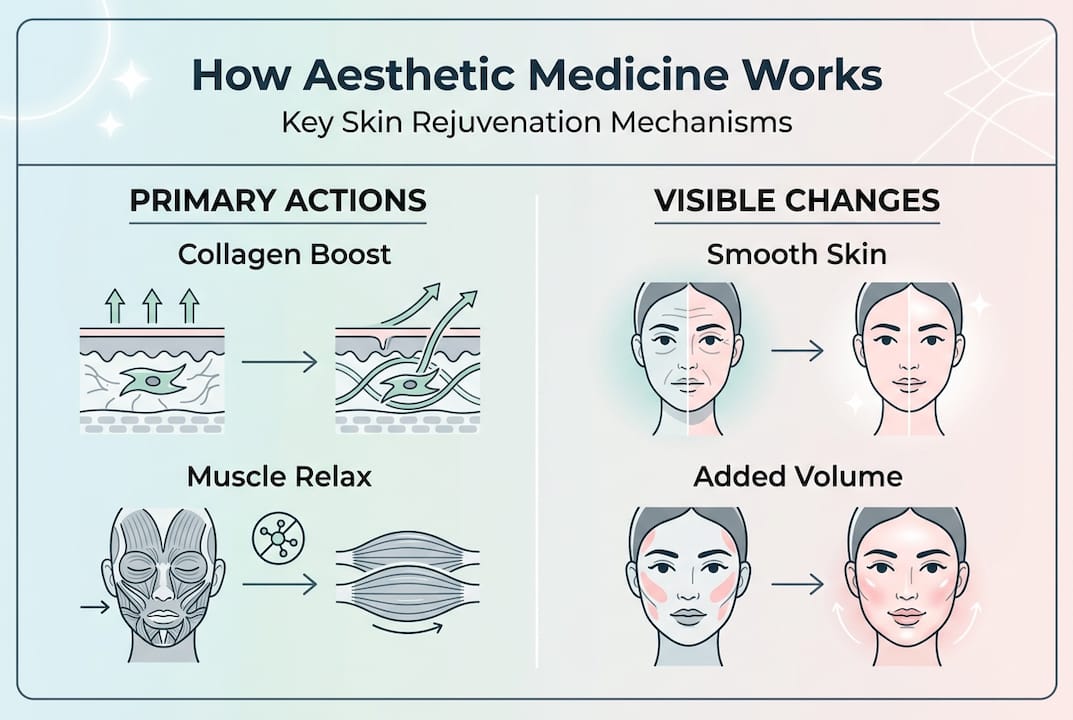
Treatments work via collagen stimulation, muscle relaxation, volume replacement, and regenerative cascades. Collagen and elastin provide structural support to skin, but production declines approximately one per cent annually after your mid-twenties. Energy-based devices like radiofrequency and lasers create controlled thermal injury in deeper skin layers, prompting fibroblasts to produce fresh collagen. This neocollagenesis process gradually tightens skin and reduces wrinkle depth over several months.
Injectable neurotoxins work through a different mechanism. They temporarily block nerve signals to specific facial muscles, preventing the repetitive contractions that etch lines into your forehead, around your eyes, and between your brows. The effect typically lasts three to four months before muscle activity gradually returns. Dermal fillers address volume loss by physically plumping areas where fat pads have diminished with age, restoring youthful contours to cheeks, lips, and under-eye hollows.
Key mechanisms include:
- Thermal stimulation triggering wound healing cascades and collagen synthesis
- Controlled micro-injuries from microneedling activating growth factors and cellular turnover
- Hyaluronic acid fillers attracting water molecules to hydrate and volumise tissue
- Neurotoxins blocking acetylcholine release at neuromuscular junctions to relax muscles
| Treatment type | Primary mechanism | Visible results timeline |
|---|---|---|
| Neurotoxins | Muscle relaxation | 3-7 days |
| Dermal fillers | Volume replacement | Immediate |
| RF microneedling | Collagen stimulation | 4-12 weeks |
| Laser resurfacing | Controlled ablation | 2-8 weeks |
| Chemical peels | Exfoliation and renewal | 1-4 weeks |
Pro Tip: Combining treatments often produces superior results. For example, neurotoxins prevent new lines whilst fillers address existing volume loss, and RF microneedling improves overall skin quality as a foundation for injectables.
Understanding these mechanisms helps you appreciate why results appear gradually for some treatments whilst others show immediate effects. The anti-aging ingredients used in medical-grade skincare work synergistically with in-clinic procedures to maintain and enhance outcomes. Qualified practitioners at FaceUp Skin Studio tailor combinations based on your skin biology and aesthetic goals.
Benefits and psychosocial impact of aesthetic medicine
Beyond the visible improvements to skin texture and facial contours, aesthetic medicine delivers measurable benefits to psychological wellbeing and quality of life. Research consistently demonstrates that patients experience enhanced self-perception and social confidence following minimally invasive treatments.
Combined filler and neurotoxin treatments greatly improve patient satisfaction, psychological wellbeing, and appearance appraisal. Studies using validated FACE-Q scales show significant increases in satisfaction with facial appearance, psychological function, and social confidence scores post-treatment. These improvements persist for months and often motivate patients to maintain results through follow-up sessions.
Key benefits include:
- Noticeable reduction in fine lines, wrinkles, and skin laxity
- Improved skin hydration, tone, and overall radiance
- Restored facial volume creating more youthful contours
- Minimal downtime allowing immediate return to work and social activities
- Gradual, natural-looking results that avoid the "overdone" appearance
- Enhanced self-confidence and positive self-image
"Patients reported statistically significant improvements in satisfaction with facial appearance, psychological wellbeing, and social confidence following combined injectable treatments, with effects sustained at six-month follow-up."
The psychological impact extends beyond vanity. Feeling comfortable in your skin affects professional interactions, social engagement, and overall life satisfaction. Many patients describe aesthetic treatments as investments in their mental health and self-care routines rather than purely cosmetic indulgences. The minimal disruption to daily life makes these procedures accessible to working professionals who cannot afford surgical recovery periods.
Combining therapies amplifies benefits. For instance, using neurotoxins to prevent expression lines whilst simultaneously stimulating collagen with RF microneedling addresses ageing from multiple angles. The synergistic effect produces more comprehensive rejuvenation than single treatments alone. Proper skincare maintenance between sessions preserves results and maximises your investment.
Pro Tip: Set realistic expectations by viewing before-and-after photos of patients with similar skin types and concerns. Social media filters create unrealistic beauty standards, so focus on achievable improvements rather than perfection.
The confidence boost from looking refreshed often creates positive feedback loops. You feel better, present yourself more confidently, and receive positive social reinforcement that further enhances wellbeing. FaceUp Skin Studio prioritises this holistic approach, ensuring treatments align with your lifestyle and personal goals.
Risks, ethical considerations and patient guidance
Whilst aesthetic medicine offers significant benefits, understanding potential risks and ethical considerations ensures you approach treatments safely and make informed decisions. Not all patients are suitable candidates, and qualified practitioners must balance business interests with patient welfare.
Higher risks in darker skin tones require careful selection, and patients with body dysmorphic disorder need screening. Post-inflammatory hyperpigmentation represents a particular concern for individuals with Fitzpatrick skin types IV-VI. Ablative laser treatments and aggressive chemical peels can trigger melanocyte activity, causing dark patches that persist for months. Experienced practitioners adjust treatment parameters, use protective protocols, and sometimes recommend alternative approaches for darker complexions.
Psychological screening forms an ethical imperative. Body dysmorphic disorder affects approximately two per cent of the population, with higher prevalence among aesthetic medicine patients. Individuals with BDD experience distorted self-perception and obsessive focus on perceived flaws. Treating these patients rarely satisfies them and may worsen psychological distress. Responsible practitioners recognise warning signs and refer patients for psychological evaluation when appropriate.
Ethical considerations include:
- Declining to treat patients with unrealistic expectations or psychological contraindications
- Providing honest assessments about achievable outcomes rather than promising dramatic transformations
- Prioritising patient safety over profit, even when it means recommending against treatment
- Ensuring informed consent by explaining risks, alternatives, and realistic timelines
- Maintaining appropriate training and staying current with safety protocols
Choosing qualified providers minimises complications. Look for practitioners with medical backgrounds, specialised aesthetic training, and membership in professional organisations. Consultation thoroughness indicates quality care. Reputable providers assess your medical history, discuss goals in detail, explain alternatives, and never pressure you into immediate treatment.
Pro Tip: If a provider dismisses your concerns, promises unrealistic results, or pressures you to book immediately, walk away. Quality practitioners encourage questions and give you time to consider decisions.
Post-treatment care significantly affects outcomes. Following aftercare instructions reduces side effects and optimises results. This includes avoiding sun exposure, using recommended skincare products, and attending follow-up appointments. Maintaining realistic expectations about timelines and degrees of improvement prevents disappointment. Remember that aesthetic treatments enhance your natural features rather than creating entirely new appearances.
The proliferation of social media beauty standards creates pressure to pursue treatments for the wrong reasons. Focus on how you want to feel rather than matching filtered images. FaceUp Skin Studio emphasises personalised care that respects your individual features and goals rather than imposing standardised beauty ideals.
Explore expert aesthetic treatments in East London
If you're considering non-surgical aesthetic treatments, working with qualified professionals ensures safe, effective results that enhance your natural beauty. The insights shared throughout this guide highlight the importance of evidence-based approaches, realistic expectations, and personalised care.
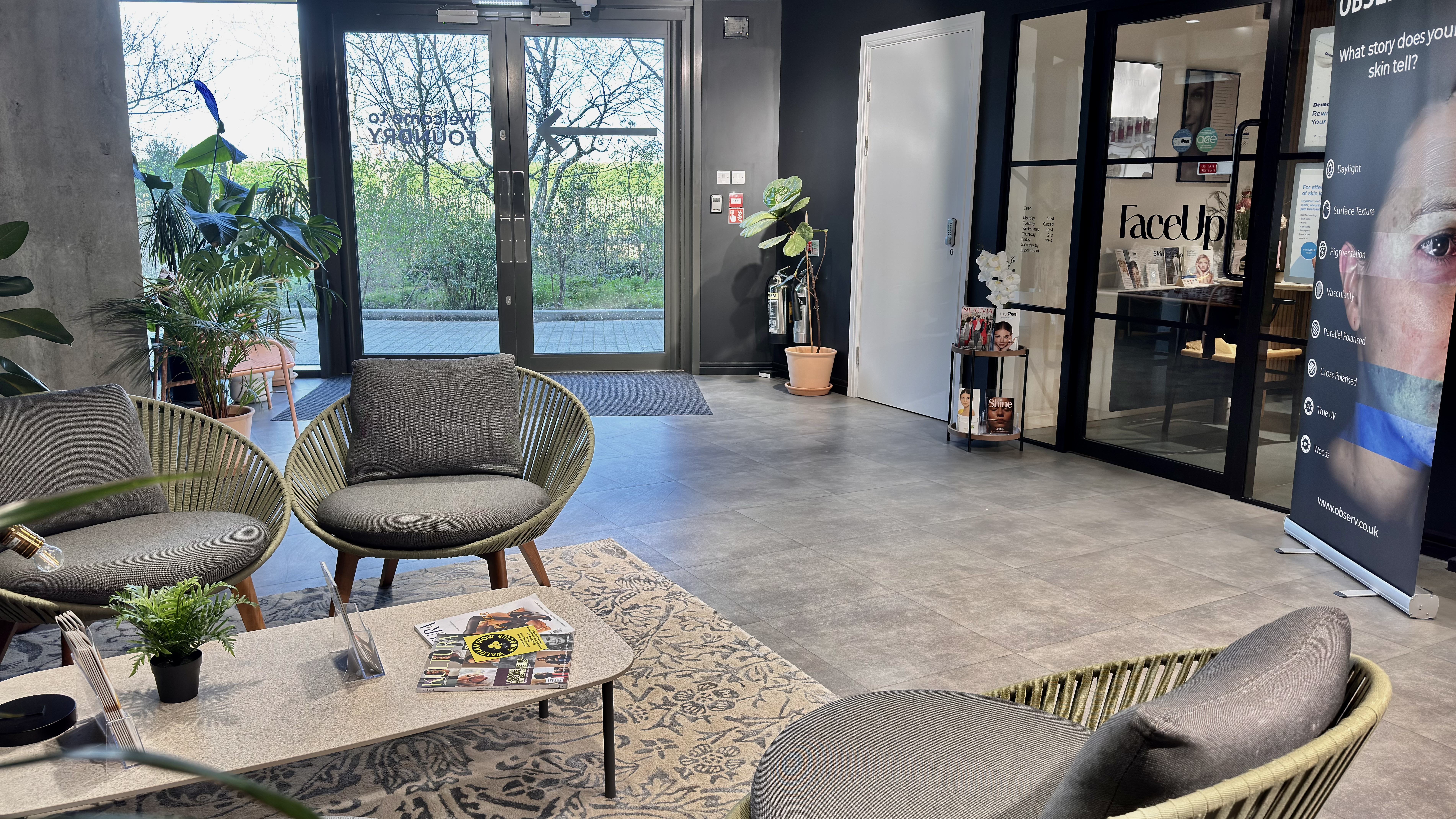
FaceUp Skin Studio offers advanced aesthetic treatments delivered by experienced practitioners who prioritise your safety and satisfaction. Located conveniently in East London, the clinic provides comprehensive consultations to assess your skin concerns, explain treatment options, and develop customised plans aligned with your goals. Whether you're interested in addressing fine lines, improving skin texture, or restoring facial volume, professional guidance ensures you achieve natural-looking results with minimal risk. Book a consultation to discuss how modern aesthetic medicine can help you look and feel your best.
Frequently asked questions
What is aesthetic medicine and how does it differ from cosmetic surgery?
Aesthetic medicine involves non-surgical, minimally invasive procedures designed to improve appearance through injectable treatments, energy-based devices, and regenerative therapies. Unlike cosmetic surgery requiring general anaesthesia and lengthy recovery, aesthetic treatments typically involve little to no downtime. The focus centres on enhancing natural features and improving skin quality rather than surgical restructuring. Results appear gradually and look natural rather than dramatically altered.
Are aesthetic medicine treatments safe for darker skin tones?
Some treatments like ablative lasers carry higher risk of post-inflammatory hyperpigmentation in darker skin tones due to increased melanocyte activity. Qualified providers tailor treatment parameters, use protective protocols, and sometimes recommend alternative approaches to minimise these risks. Thorough consultation with experienced practitioners ensures safe, effective treatment regardless of skin type. Always choose providers with demonstrated expertise treating diverse skin tones.
What should I expect during recovery from non-surgical aesthetic treatments?
Most minimally invasive treatments involve minimal downtime, allowing you to return to daily activities immediately or within a day. Some redness, swelling, or minor bruising may occur but typically resolves quickly. Proper post-treatment skincare enhances results and reduces side effects. Follow your practitioner's aftercare instructions carefully, including sun protection and recommended products. Results for collagen-stimulating treatments appear gradually over weeks to months.
How can I choose a qualified practitioner for aesthetic medicine in East London?
Look for licensed medical professionals with specialised training in aesthetic medicine and membership in recognised professional organisations. Check clinic reputation through patient reviews and before-and-after galleries showing diverse cases. Quality practitioners conduct thorough consultations, assess your medical history, explain risks and alternatives, and never pressure immediate decisions. Qualified aesthetic practitioners prioritise your safety and realistic outcomes over sales pressure. Trust your instincts during consultations and choose providers who make you feel heard and respected.