
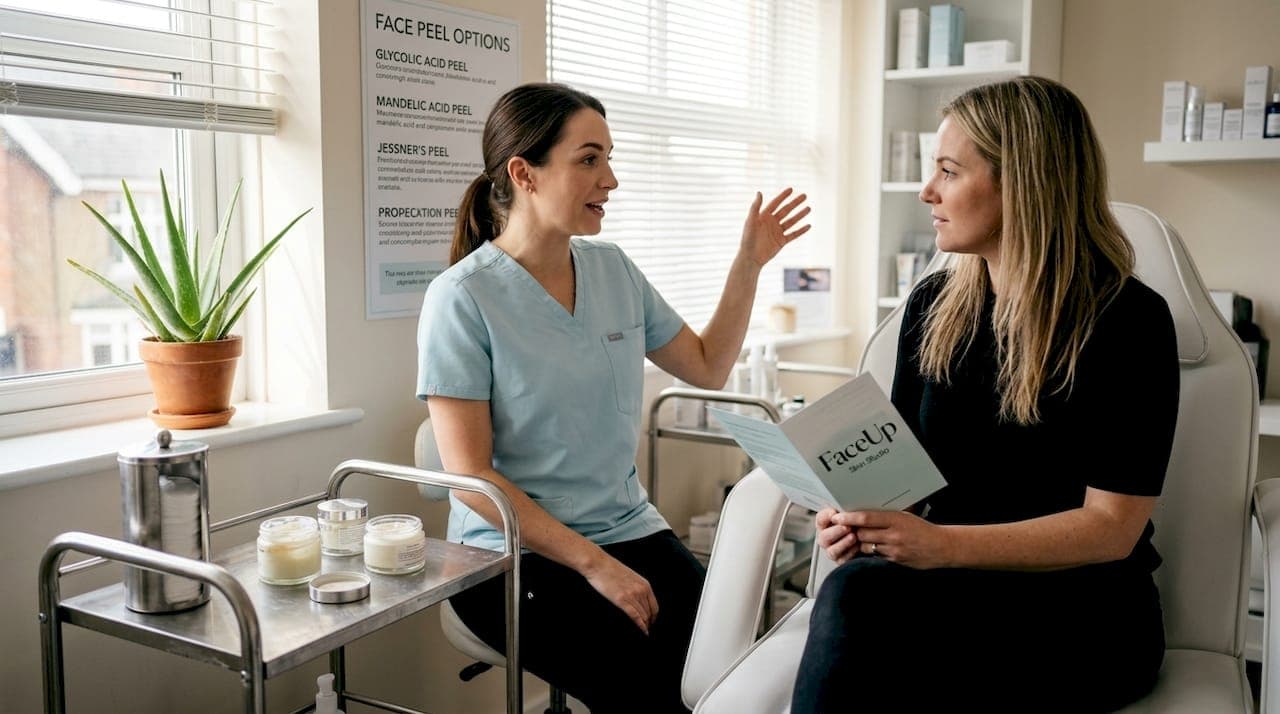
Choosing the right face peel can feel overwhelming when you're dealing with stubborn acne or persistent pigmentation. With multiple acid formulations, treatment depths, and session protocols available in East London, understanding which option suits your skin type and concern is essential. This guide walks you through the key criteria for selecting effective peel treatments, explores the most popular types backed by clinical evidence, and helps you make an informed decision for clearer, brighter skin in 2026.
Table of Contents
- How to choose the right face peel for your skin
- Popular types of face peels and their uses
- Comparison of face peel types for common skin concerns
- Selecting the best peel for your skin type and concerns
- Discover professional face peel treatments in east london
- Frequently asked questions about face peels
Key takeaways
| Point | Details |
|---|---|
| Peel types differ by acid and depth | Salicylic, glycolic, TCA, and black peels target different skin layers and concerns |
| Clinical evidence supports efficacy | Studies show 70-90% improvement in acne and pigmentation after 4-6 sessions |
| Skin type guides selection | Fair, sensitive, oily, and darker skin tones require tailored peel formulations |
| Multiple sessions deliver results | Typically 3-6 treatments spaced 2-4 weeks apart achieve lasting outcomes |
| Professional consultation ensures safety | Expert assessment customises peel strength and protocol for your unique needs |
How to choose the right face peel for your skin
Selecting the appropriate face peel starts with understanding how different acids interact with your skin. AHAs exfoliate surface layers while BHAs penetrate pores, each triggering distinct biological responses. TCA causes controlled protein coagulation in deeper layers, whilst all effective peels stimulate collagen production and reduce melanin through tyrosinase inhibition. This biochemical diversity means matching the acid type to your specific concern is crucial for achieving visible results without unnecessary irritation.
Your skin type fundamentally determines which peel formulation will work best. Fair or sensitive skin typically responds better to gentler AHA concentrations, minimising the risk of post-inflammatory hyperpigmentation. Oily, acne-prone complexions benefit from oil-soluble BHAs that clear congested pores. Darker skin tones require careful consideration, as aggressive peels can trigger discolouration. Understanding your Fitzpatrick skin type helps practitioners select appropriate acid strengths and application times.
The severity of your concern dictates treatment depth and intensity. Mild surface pigmentation may respond to superficial glycolic peels, whilst moderate acne scarring often requires medium-depth TCA applications. Consider these factors when evaluating options:
- Surface concerns like dullness suit light AHA peels
- Active acne and blackheads respond to BHA formulations
- Deeper pigmentation or scarring needs TCA or combination peels
- Collagen stimulation for texture improvement requires controlled injury depth
Your lifestyle and schedule also influence peel selection. Some treatments involve minimal flaking and allow immediate return to normal activities, whilst deeper peels require several days of visible peeling and social downtime. Session frequency matters too, as most effective protocols involve multiple treatments spaced weeks apart. Balancing treatment intensity with your work commitments and social calendar ensures you can complete the full course.
Pro Tip: Book your initial peel series during autumn or winter months when sun exposure is naturally lower, reducing photosensitivity risks and protecting your investment in clearer skin.
Popular types of face peels and their uses
Alpha hydroxy acid peels, particularly glycolic acid formulations, work by dissolving the bonds between dead skin cells on the surface. These water-soluble acids excel at addressing pigmentation, fine lines, and overall skin texture. Glycolic acid molecules are small enough to penetrate efficiently, making them ideal for brightening treatments. Most AHA peels involve minimal downtime, with slight redness lasting a few hours. They suit normal to dry skin types seeking gradual improvement in tone and radiance.
Beta hydroxy acid peels, predominantly salicylic acid, offer a different mechanism suited to oily and acne-prone skin. Being oil-soluble, salicylic acid penetrates sebum-filled pores to exfoliate from within, clearing blackheads and reducing inflammation. Studies demonstrate 70-90% improvement in acne severity after 4-6 sessions. BHA peels also provide antibacterial benefits, making them particularly effective for active breakouts. Downtime remains minimal, with possible light flaking over 2-3 days.
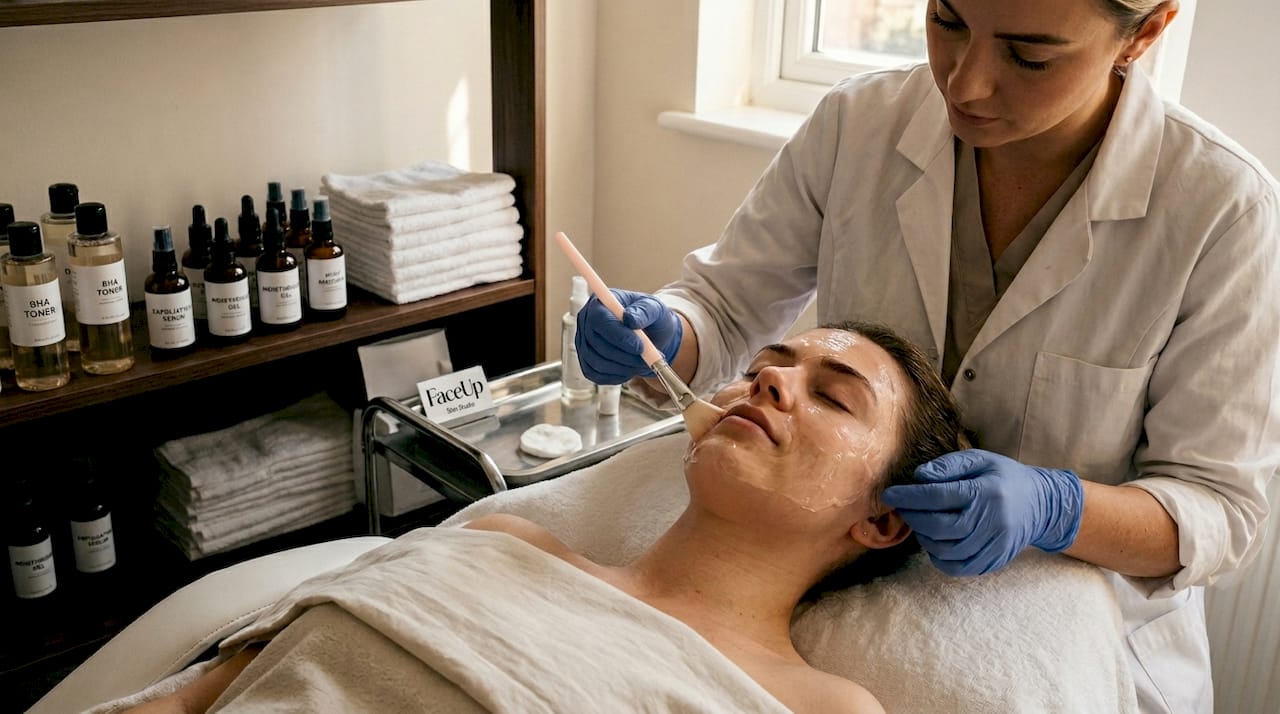
Trichloroacetic acid peels penetrate deeper into the dermis, triggering more substantial collagen remodelling. TCA concentrations typically range from 10% to 35%, with higher strengths reserved for experienced practitioners. These peels address moderate acne scarring, deeper pigmentation, and significant sun damage. The controlled injury stimulates robust healing responses, but requires 5-7 days of visible peeling and social downtime. TCA suits those seeking more dramatic results and willing to accommodate recovery time.
Black peels, combining activated charcoal with multiple acids, show exceptional efficacy for acne treatment. Research indicates black peel formulations achieve the highest success rates for mild to moderate acne grades, with visible improvement in both active lesions and post-inflammatory marks. The charcoal component draws impurities whilst acids exfoliate, creating a dual-action treatment. Most protocols involve 4-6 sessions spaced 2-4 weeks apart for optimal clearing.
Triple-acid peels blend glycolic, salicylic, and mandelic acids in carefully calibrated ratios designed for darker skin tones. This combination approach allows effective treatment whilst minimising hyperpigmentation risks in Fitzpatrick IV-V skin types. The mandelic acid component, with its larger molecular size, penetrates more slowly, reducing irritation potential. Clinical experience confirms these formulations safely address both acne and pigmentation concerns in skin of colour.
Comparison of face peel types for common skin concerns
Understanding how different peels perform across key metrics helps you weigh options objectively. Effectiveness percentages vary significantly based on the specific concern being treated and the peel formulation selected. Acne responds particularly well to BHA and black peel protocols, whilst pigmentation shows strong improvement with AHA and combination approaches.
| Peel type | Acne effectiveness | Pigmentation effectiveness | Typical downtime | Sessions needed | Best for |
|---|---|---|---|---|---|
| Glycolic acid (AHA) | 65-75% | 75-85% | 1-2 days | 4-6 | Surface pigmentation, dull skin |
| Salicylic acid (BHA) | 75-85% | 60-70% | 2-3 days | 4-6 | Active acne, oily skin |
| TCA peel | 70-80% | 80-90% | 5-7 days | 3-4 | Deep pigmentation, scarring |
| Black peel | 85-95% | 75-85% | 3-5 days | 4-6 | Moderate acne, combination concerns |
| Triple-acid | 70-80% | 80-90% | 2-4 days | 4-6 | Darker skin tones, mixed concerns |
Downtime considerations directly impact treatment practicality. Lighter peels allow you to maintain normal activities with only minor redness, whilst deeper treatments require planning around social and professional commitments. The visible peeling phase, whilst temporary, needs accommodation in your schedule. Most people find spacing treatments 2-4 weeks apart allows adequate healing whilst maintaining treatment momentum.
Black peel protocols demonstrate highest efficacy for acne grades 1-3, with 3-6 sessions producing lasting clearance. This makes them particularly valuable for East London adults struggling with persistent breakouts that haven't responded to topical treatments alone. The combination of deep pore cleansing and surface exfoliation addresses multiple acne factors simultaneously.
Safety profiles differ based on skin type and peel strength. Fair skin requires conservative acid concentrations to prevent burns, whilst darker tones need formulations that won't trigger post-inflammatory hyperpigmentation. Professional application ensures appropriate neutralisation timing and post-treatment protocols. Self-administered peels carry higher complication risks, particularly with TCA formulations.
Pro Tip: Schedule your first peel session at least 6 weeks before any major event, allowing time to assess your skin's response and complete additional treatments if needed without deadline pressure.
"The key to successful peel outcomes lies not in choosing the strongest formulation, but in selecting the acid type and concentration that matches your skin's unique characteristics and healing capacity."
Selecting the best peel for your skin type and concerns
Fair and sensitive skin types benefit most from gentler AHA formulations applied at lower concentrations. Starting with 20-30% glycolic acid allows your skin to build tolerance whilst still achieving noticeable brightening. These lighter peels can be repeated more frequently, creating cumulative improvement without overwhelming delicate complexions. If you experience redness easily or have conditions like rosacea, mandelic acid offers an even gentler alternative with its larger molecular structure and slower penetration rate.
Oily, acne-prone skin responds exceptionally well to salicylic acid protocols. The oil-soluble nature of BHAs means they work where your skin needs them most, inside congested pores. If you're dealing with regular breakouts, blackheads, or enlarged pores, BHA peels should be your primary consideration. Combination skin can benefit from targeted application, using BHA on the T-zone and AHA on drier cheek areas, though this requires professional application for optimal results.
Darker skin tones, particularly Fitzpatrick types IV and V, require specialised consideration to avoid triggering post-inflammatory hyperpigmentation. Triple-acid formulations prove effective and safe for these skin types, combining multiple acids at calibrated strengths. The mandelic acid component provides exfoliation whilst minimising irritation risks. If you have darker skin and previous negative experiences with peels, seeking practitioners experienced in treating skin of colour becomes essential.
Budget considerations influence treatment selection, though investing in professional application always outweighs the cost savings of home treatments. Salicylic and glycolic peels typically represent the most accessible options, with single sessions ranging £80-150 in East London. Package deals for multiple sessions often provide better value, as most concerns require 4-6 treatments for optimal results. TCA and specialised formulations command higher prices but deliver more dramatic improvements.
Consultation with qualified aesthetic practitioners ensures safe, effective treatment selection. During assessment, practitioners evaluate your skin type, concern severity, previous treatment history, and realistic outcome expectations. They can identify contraindications like active infections, recent isotretinoin use, or conditions that increase complication risks. Professional guidance also includes proper pre-treatment preparation and post-peel care protocols that significantly influence your results.
Pro Tip: Request patch testing before committing to a full facial peel, especially if you have sensitive skin or are trying a new acid type for the first time. This small precaution can prevent uncomfortable reactions.
Discover professional face peel treatments in east london
Navigating the range of face peel options becomes simpler when you work with experienced aesthetic practitioners who understand your specific skin concerns. Professional assessment goes beyond choosing an acid type, encompassing treatment timing, concentration selection, and personalised aftercare protocols that maximise your results whilst minimising risks.
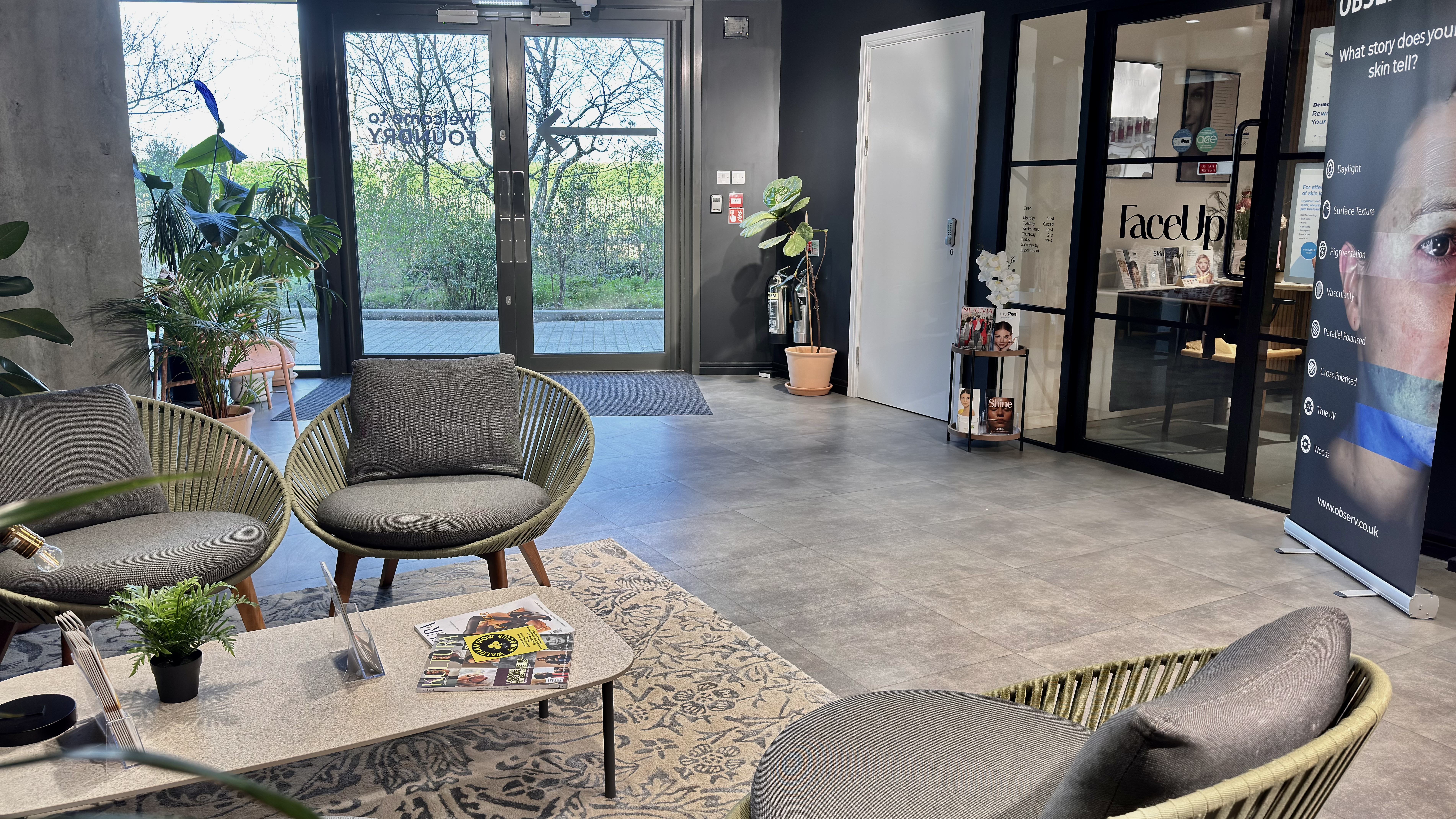
FaceUp Skin Studio specialises in advanced peel treatments tailored for acne, pigmentation, and skin texture concerns common among East London residents. Our practitioners combine clinical expertise with personalised care, ensuring each treatment protocol matches your skin type, lifestyle, and aesthetic goals. Whether you're dealing with persistent breakouts, uneven tone, or early signs of ageing, professional guidance helps you achieve clearer, healthier skin safely. Book a consultation to discuss which peel type suits your unique needs and begin your journey to improved skin confidence.
Frequently asked questions about face peels
How many sessions do typical peels require?
Most effective peel protocols involve 4-6 sessions spaced 2-4 weeks apart. Lighter peels like glycolic or salicylic acid may require more frequent treatments, whilst deeper TCA peels achieve results in fewer sessions. Your practitioner adjusts frequency based on skin response and concern severity.
Are face peels safe for sensitive skin?
Yes, when appropriate formulations are selected. Sensitive skin benefits from gentler AHAs like mandelic acid or lower concentration glycolic peels. Professional application ensures proper neutralisation timing and reduces irritation risks. Always disclose sensitivity concerns during consultation for tailored treatment selection.
What is the downtime after common peel types?
Light AHA and BHA peels typically involve 1-3 days of minor flaking with minimal social impact. Medium-depth TCA peels require 5-7 days of visible peeling and redness. Black peels fall in between at 3-5 days. Planning treatments around your schedule ensures comfortable recovery without disrupting important commitments.
Can peels treat dark spots effectively?
Absolutely. Glycolic acid and combination peels show 75-90% improvement in pigmentation after a full treatment course. The exfoliation process removes melanin-laden surface cells whilst tyrosinase inhibition reduces new pigment formation. Consistent sun protection post-treatment is essential for maintaining results and preventing new dark spots.
Should peels be combined with other treatments?
Combining peels with complementary treatments often enhances outcomes. Many practitioners recommend pairing peels with LED therapy, microneedling, or targeted serums for comprehensive skin improvement. However, timing matters, proper spacing between intensive treatments prevents over-exfoliation. Discuss combination protocols during consultation for safe, effective treatment planning.