
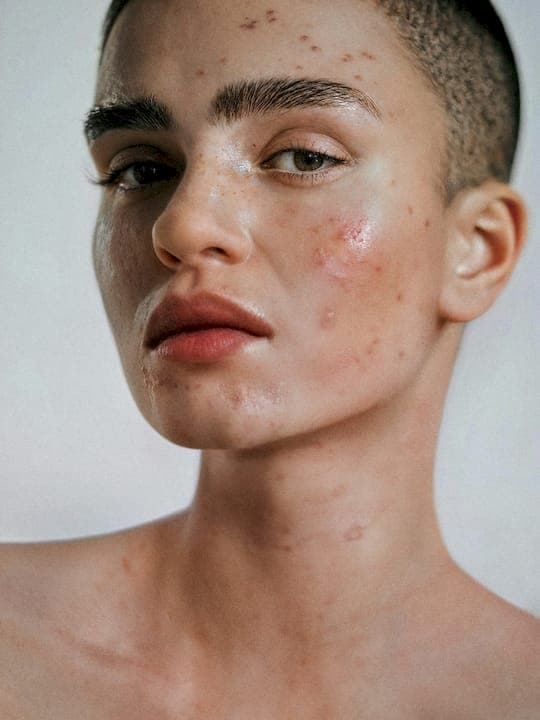
Adult acne is more common than most people realise, and if you are living with persistent breakouts in Walthamstow, you are far from alone. Up to 85% of people experience acne at some point, and a significant number carry it well into adulthood, where it can quietly erode confidence and affect daily life. The good news is that effective, evidence-based solutions exist, and knowing which steps to take makes all the difference. This guide walks you through everything from understanding why acne persists to choosing the right professional support, including what is available right here in Walthamstow.
Key Takeaways
| Point | Details |
|---|---|
| Stepwise treatment works | Follow the evidence-based approach: start with topicals, escalate with professional help if needed. |
| Personalised care is best | Seek tailored advice for acne type, severity, and skin tone for optimal results. |
| Advanced options for scarring | Professional therapies like microneedling and lasers effectively target acne scars. |
| Psychological wellbeing matters | Treating acne should address emotional health and confidence alongside physical symptoms. |
Understanding acne and why it persists
Acne is not simply a teenage problem that you should have grown out of. For many adults, it continues or even appears for the first time in their twenties, thirties, and beyond. Understanding what drives it is the first step towards managing it effectively.
At its core, acne involves excess sebum, clogged pores, bacteria, and inflammation working together to create the breakouts you see on your skin. Sebum is the natural oil your skin produces, and when it is overproduced, it mixes with dead skin cells and blocks your pores. The bacteria Cutibacterium acnes then thrives in this environment, triggering the redness and swelling associated with spots.
Several factors make adult acne particularly stubborn:
-
Hormonal fluctuations: Changes related to the menstrual cycle, pregnancy, or conditions such as polycystic ovary syndrome (PCOS) can spike sebum production.
-
Chronic stress: Stress raises cortisol levels, which in turn stimulates oil glands.
-
Genetics: If your parents had persistent acne, you are more likely to experience it too.
-
Skincare and cosmetic products: Certain ingredients can clog pores and worsen breakouts.
-
Diet: High glycaemic foods and dairy have been linked to acne flares in some individuals.
“Adult acne often has a hormonal or lifestyle component that teenage acne does not, which is why treatments need to be tailored rather than generic.”
The emotional weight of acne should never be underestimated. Many adults feel frustrated, self-conscious, or even anxious about their skin, and these feelings are entirely valid. Reviewing your skin care practices with a professional can reveal surprising triggers you may not have considered. Beyond the physical, the facial aesthetics benefits of addressing acne extend to improved self-esteem and overall wellbeing. With a clear picture of why acne persists, you are ready to take practical action.
Preparation: Assessing your skin and knowing when to seek help
Before reaching for any product or booking a treatment, it helps to assess your acne honestly. Not all acne is the same, and the right approach depends on its severity and how it is affecting your life.
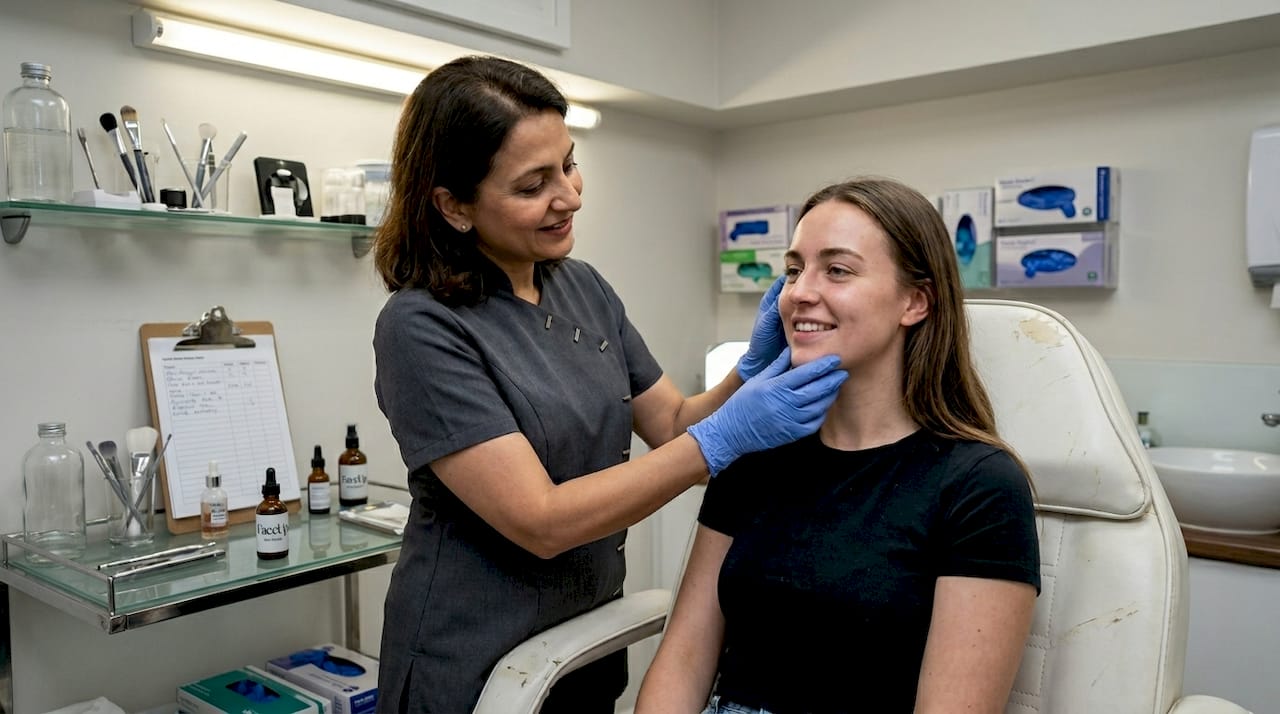
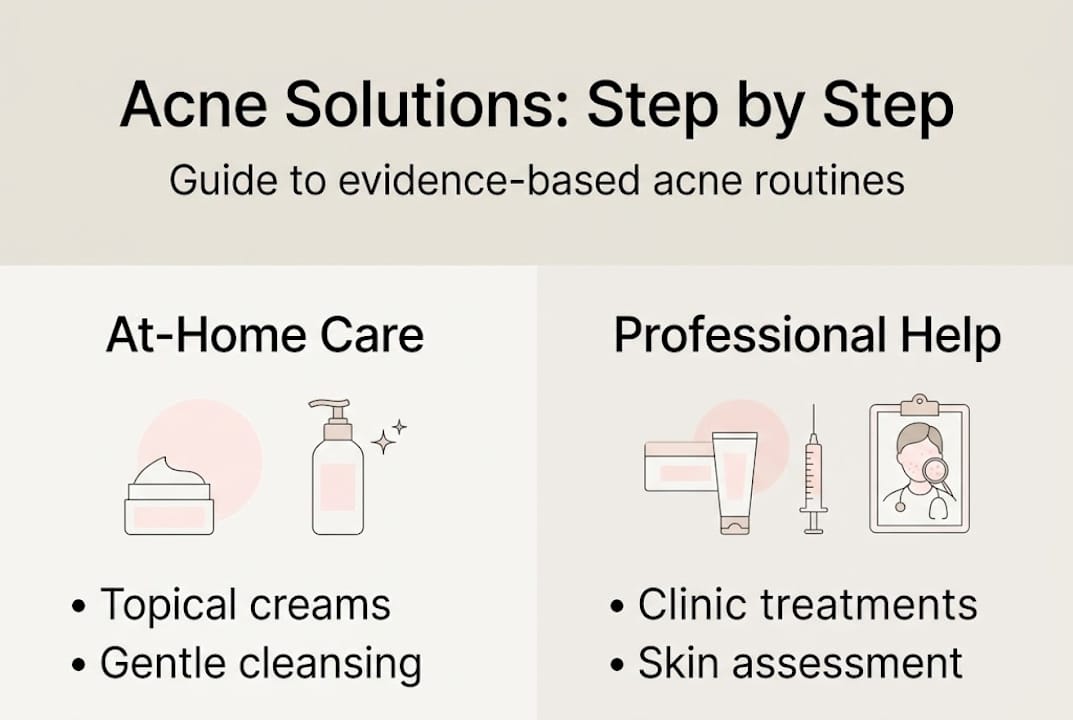
Acne treatment follows a stepwise approach based on severity, moving from simple topical options for mild cases through to prescription medications and specialist referrals for more serious presentations. Here is a straightforward way to categorise what you are dealing with:
| Severity | Characteristics | Recommended first step |
|---|---|---|
| Mild | Blackheads, whiteheads, a few papules | Over-the-counter topicals |
| Moderate | More numerous papules and pustules | GP consultation or skin clinic |
| Severe | Nodules, cysts, widespread inflammation | Specialist referral |
| Scarring | Pitting, discolouration, textural changes | Aesthetic clinic assessment |
Knowing where you fall on this scale helps you choose the most efficient path forward. Here is how to prepare for that next step:
-
Photograph your skin in natural light to track changes over time.
-
Note your triggers such as stress, diet, or hormonal patterns across your cycle.
-
Review your current products and check for pore-clogging (comedogenic) ingredients.
-
Assess the emotional impact honestly. If acne is affecting your mental health, that matters clinically.
-
Book a consultation with your GP or a qualified skin professional if over-the-counter options have not worked within eight weeks.
Pro Tip: A skin analysis with an experienced aesthetician at a clinic like FaceUp Skin Studio can identify your skin type, specific triggers, and the most suitable treatment pathway before you spend money on products that may not suit you.
In Walthamstow, you have access to both NHS services and private skin clinics. If your acne is causing scarring or significant psychological distress, do not wait. Seeking help earlier leads to better outcomes and less long-term damage to the skin.
Treating mild to moderate acne: evidence-based at-home solutions
For mild to moderate acne, a consistent, evidence-based routine is your most powerful tool. Many people make the mistake of using too many products at once or switching treatments before they have had time to work. Patience and structure are essential.
Topical retinoid plus benzoyl peroxide is recognised as the first-line treatment for most mild to moderate acne cases. Retinoids encourage skin cell turnover and prevent pores from becoming blocked, while benzoyl peroxide kills acne-causing bacteria and reduces inflammation.
Follow this step-by-step routine for best results:
-
Cleanse gently twice daily with a non-comedogenic, fragrance-free cleanser.
-
Apply benzoyl peroxide (2.5% to 5%) to affected areas in the morning, starting every other day to reduce irritation.
-
Use a topical retinoid (such as adapalene) in the evening, again starting slowly to allow your skin to adjust.
-
Moisturise with a lightweight, oil-free moisturiser after each application to support the skin barrier.
-
Apply SPF 30 or higher every morning without exception, as retinoids increase sun sensitivity.
| Treatment | Best for | Common side effects |
|---|---|---|
| Benzoyl peroxide | Inflamed spots, bacteria | Dryness, bleaching of fabric |
| Topical retinoid | Blocked pores, prevention | Initial redness, peeling |
| Azelaic acid | Sensitive skin, pigmentation | Mild tingling |
| Salicylic acid | Blackheads, oily skin | Dryness |
Pro Tip: The first two to four weeks of using retinoids often cause a temporary flare, known as a purge. This is normal and does not mean the treatment is wrong for you. Stick with it, and consult a professional if you are unsure.
Common mistakes include over-washing the face, using harsh scrubs, and applying too many active ingredients simultaneously. Reviewing London skin studio options and understanding professional guidance can help you build a routine that is genuinely tailored to your skin. Consistent skin care practices over twelve weeks typically show meaningful improvement. If results are limited, professional intervention is the logical next step.
Advanced treatments for persistent or scarring acne
When at-home treatments are not enough, or when acne has already left its mark on your skin, professional intervention becomes essential. There is no need to feel discouraged. There are highly effective options available.
Scarring, hormonal acne, and persistent cases require specialist referral and targeted treatments that go beyond what you can achieve at home. Your GP can prescribe oral antibiotics such as doxycycline or lymecycline for moderate to severe inflammatory acne. These are typically used for a limited period alongside topical treatments to reduce the risk of antibiotic resistance.
For women with hormonal acne, options include:
-
Combined oral contraceptive pill: Can regulate hormones and reduce sebum production.
-
Spironolactone: An anti-androgen medication that reduces oil gland activity.
-
Isotretinoin (Roaccutane): Reserved for severe or treatment-resistant cases, this requires specialist supervision and regular monitoring.
“Isotretinoin remains the most effective treatment for severe acne, but it requires careful management due to its side effect profile, particularly in those who may become pregnant.”
For post-acne scarring and skin texture concerns, aesthetic treatments offer impressive results:
-
Microneedling for acne scars stimulates collagen production and smooths pitted or uneven skin.
-
Laser treatments resurface the skin and target discolouration left by past breakouts.
-
LED light therapy reduces active inflammation and supports healing without downtime.
-
Facial sculpting tools can complement skin treatments by improving overall tone and contour.
Pro Tip: If you have a deeper skin tone, always ensure your practitioner has specific experience with melanin-rich skin, as some laser and light-based treatments carry a higher risk of pigmentation changes if not applied correctly.
The psychological impact of severe acne is a legitimate clinical concern. If your skin is affecting your mental health, mention this to your GP or skin professional. It can lower the threshold for referral and access to more intensive support.
An expert perspective: What truly matters when treating acne in adulthood
Having worked with many adults navigating persistent acne, one thing stands out clearly: the people who achieve lasting results are not necessarily those who use the most products. They are the ones who commit to a consistent, personalised plan and stay the course even when progress feels slow.
Evidence-based treatments are vital, but they only work when applied correctly and consistently. Initial irritation is common, maintenance prevents relapse, and the psychological impact of acne must not be ignored in any treatment plan. Too often, adults abandon effective treatments too early because they expect instant results.
Personalised guidance from a trusted skin professional, whether through a skincare routine suggested by an aesthetician after a skin analysis and consultation or a medically supervised programme, genuinely changes outcomes. At FaceUp Skin Studio, we see this regularly. The combination of expert assessment and tailored treatment is what separates real progress from the cycle of trial and error. Addressing both the skin and the confidence and skin health dimension of acne is not optional. It is essential.
Next steps: Personalised acne solutions in Walthamstow
If you are ready to move beyond guesswork and take a structured approach to your skin, professional support is closer than you think.
At FaceUp Skin Studio, our experienced practitioners offer personalised skin consultations and advanced aesthetic treatments tailored to your specific acne type, skin tone, and goals. Whether you are dealing with active breakouts, hormonal acne, or post-acne scarring, we can help you build a plan that works. From microneedling and LED therapy to expert skincare recommendations, every treatment begins with a thorough skin analysis. Explore our skincare advice blog for ongoing guidance, and book your consultation to take the first confident step towards clearer, healthier skin.
Frequently asked questions
How long does it take for acne treatments to show results?
Most topical treatments show visible improvement within six to twelve weeks, while oral medications and advanced aesthetic therapies may require several months of consistent use before full results are apparent.
Are there any treatments safe for acne during pregnancy?
Topical azelaic acid is the recommended option during pregnancy, as most other acne treatments including retinoids and oral antibiotics are not considered safe for use at this time.
What are the signs that I should seek professional help for acne?
You should seek professional advice if your acne is causing scarring, is psychologically distressing, or has not responded to over-the-counter treatments after eight weeks of consistent use.
Can professional aesthetic treatments like microneedling help with acne scars?
Yes. Microneedling, LED, and laser therapies are all effective options for improving post-acne scarring, and they are best undertaken once active acne is under medical control.