
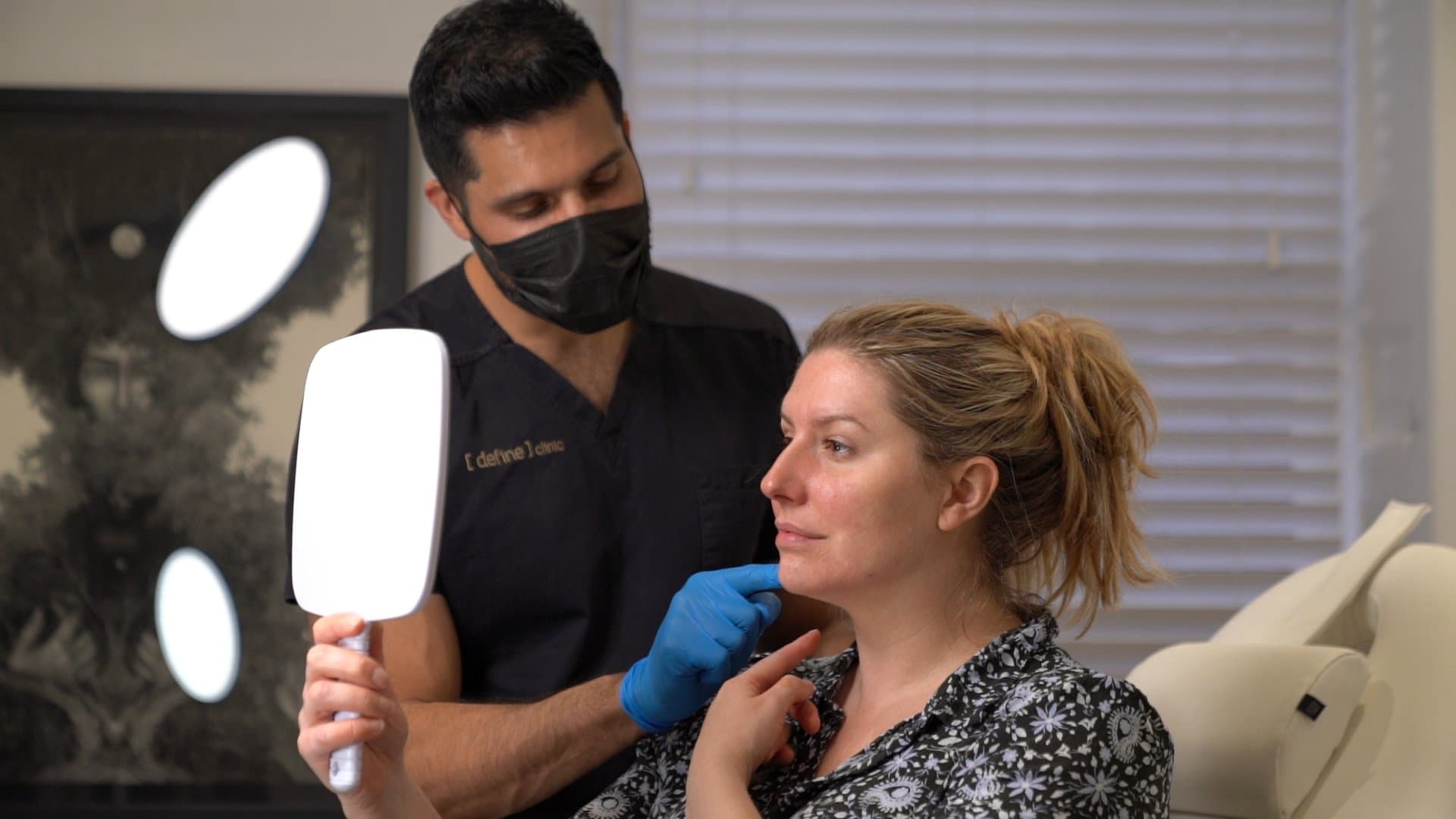

Considering dermal fillers but uncertain about what actually happens during treatment? You’re not alone. Many adults in East London contemplate facial enhancement yet feel anxious about the unknown. Understanding each stage of the dermal filler procedure transforms apprehension into confidence. This comprehensive guide walks you through every step, from initial consultation through aftercare, equipping you with practical knowledge to make informed decisions about your aesthetic journey. You’ll discover preparation essentials, injection techniques, safety protocols, and realistic recovery expectations.
Key takeaways
| Point | Details |
|---|---|
| Safe volume restoration | Dermal fillers restore facial volume and enhance features safely when administered by qualified practitioners |
| Personalised planning | Preparation involves thorough consultation and customised treatment planning based on individual anatomy |
| Precise technique | Injection process uses targeted techniques to address specific facial areas with immediate visible effects |
| Manageable effects | Side effects typically range from mild bruising to rare complications requiring medical attention |
| Lasting results | Treatment outcomes commonly persist between three months and two years depending on filler composition |
Understanding dermal fillers and preparation steps
Dermal fillers represent injectable treatments designed to restore facial volume, smooth wrinkles, and enhance contours without surgery. These gel-like substances integrate into skin tissue, providing immediate structural support where natural collagen has diminished. The procedure has become increasingly popular among those seeking subtle, natural-looking rejuvenation.
Dermal fillers typically use hyaluronic acid, calcium hydroxylapatite, poly-L-lactic acid, or polymethylmethacrylate as their active ingredients. Hyaluronic acid fillers offer temporary results lasting six to eighteen months, whilst calcium-based options provide structure for twelve to eighteen months. Poly-L-lactic acid stimulates collagen production gradually, with effects developing over several months and lasting up to two years. Each material serves specific aesthetic purposes based on treatment area and desired longevity.
Choosing a qualified practitioner forms the foundation of safe treatment. Research practitioners thoroughly, verifying their qualifications for dermal fillers and experience with facial anatomy. During consultation, your clinician assesses bone structure, skin quality, volume loss patterns, and aesthetic goals. This evaluation creates a personalised treatment plan addressing your unique facial characteristics.
Honest disclosure during consultation protects your safety. Share complete medical history including:
-
Previous cosmetic procedures or surgeries
-
Current medications, particularly blood thinners
-
Known allergies to injectable substances
-
Autoimmune conditions or skin disorders
-
Pregnancy or breastfeeding status
Pre-treatment preparation enhances results and minimises complications. Avoid aspirin, ibuprofen, vitamin E, and fish oil supplements for one week before treatment, as these thin blood and increase bruising risk. Stop alcohol consumption forty-eight hours prior. Schedule treatment when you can rest afterwards, avoiding important events for at least one week. Understanding the dermal filler safety review helps you recognise potential risks and make informed consent.
Pro Tip: Photograph your face from multiple angles before treatment. These images provide valuable comparison points for tracking subtle improvements and discussing results with your practitioner during follow-up appointments.
Step by step dermal filler injection procedure
The procedure includes a comprehensive consultation to assess facial structure and aesthetic goals, followed by a personalised treatment plan that guides each injection decision. Understanding the sequential steps demystifies the experience and helps you feel prepared.
The treatment unfolds through these carefully orchestrated stages:
-
Skin cleansing and preparation: Your practitioner thoroughly cleanses the treatment area with antiseptic solution, removing makeup, oils, and surface bacteria. This sterilisation prevents infection and ensures optimal product adherence.
-
Numbing application: Topical anaesthetic cream may be applied fifteen to twenty minutes before injection, though many modern fillers contain lidocaine for comfort. Some areas require no numbing due to minimal discomfort.
-
Marking injection sites: Using a surgical marker, your clinician identifies precise injection points based on facial anatomy and treatment goals. These marks guide needle placement for symmetrical, balanced results.
-
Strategic injection technique: Fine needles or blunt cannulas deliver filler into targeted depths. Superficial injections address fine lines, whilst deeper placement restores volume. Your practitioner may use anatomic injection techniques to avoid blood vessels and nerves.
-
Product moulding and assessment: After each injection, gentle massage distributes filler evenly. Your clinician evaluates symmetry, volume, and contour, making real-time adjustments.
-
Final shaping: Once desired correction is achieved, additional moulding ensures smooth integration with surrounding tissue. Ice packs may be applied to reduce immediate swelling.
Treatment duration varies by area complexity. Lip enhancement typically requires fifteen to twenty minutes, whilst full-face rejuvenation may take forty-five to sixty minutes. Most patients tolerate the procedure comfortably, describing sensations as brief pressure or pinching.
| Treatment area | Typical injection points | Average product volume | Session duration | | — | — | — | | Nasolabial folds | 3-5 per side | 1-2ml total | 20-30 minutes | | Lips | 4-8 total | 0.5-1ml | 15-20 minutes | | Cheeks | 4-6 per side | 2-4ml total | 30-40 minutes | | Under-eye hollows | 2-4 per side | 0.5-1ml total | 20-25 minutes |
Pro Tip: Communicate openly during treatment. If you experience sharp pain, burning, or vision changes, alert your practitioner immediately. These symptoms, though rare, require instant assessment to prevent complications.
Explore detailed dermal filler treatment steps to visualise the complete process and understand what makes each stage essential for optimal outcomes.
Safety considerations and managing common side effects
Adverse effects of dermal fillers range from mild complications such as bruising, nodule formation, swelling and asymmetry, to more severe outcomes such as vascular occlusions and infections. Understanding this spectrum empowers you to recognise normal healing versus concerning symptoms.
Mild side effects occur frequently and resolve naturally. Expect these temporary reactions:
-
Redness and tenderness at injection sites lasting one to three days
-
Bruising appearing within twenty-four hours, fading over seven to ten days
-
Swelling peaking at forty-eight hours, subsiding within one week
-
Minor asymmetry as filler settles during the first fortnight
-
Firmness or small bumps diminishing as product integrates
Serious complications remain rare but require immediate medical attention. Contact your practitioner urgently if you experience severe pain, skin colour changes (blanching or blue discolouration), vision problems, or persistent headaches. These symptoms may indicate vascular compromise requiring rapid intervention with hyaluronidase, an enzyme dissolving hyaluronic acid fillers.
Practitioner expertise significantly influences safety outcomes. Qualified clinicians possess thorough anatomical knowledge, understanding facial blood vessel locations and nerve pathways. They employ aspiration techniques before injection, checking for blood vessel entry. Proper training in complication management, including hyaluronidase administration, distinguishes competent providers.
Sterilisation protocols form another safety cornerstone. Reputable clinics use single-use needles, maintain sterile fields, and follow infection control guidelines. Your practitioner should wear gloves, use fresh product vials, and dispose of sharps appropriately.
“The key to safe dermal filler treatment lies in comprehensive anatomical understanding, meticulous injection technique, and immediate recognition of potential complications. Patients should prioritise practitioner qualifications over cost considerations.”
Regular monitoring supports successful outcomes. Schedule follow-up appointments as recommended, typically two weeks post-treatment for assessment and potential touch-ups. Report any concerns promptly rather than waiting for scheduled visits. Understanding dermal filler safety practices helps you partner effectively with your clinician throughout the treatment journey.
Risk mitigation starts with realistic expectations. Dermal fillers enhance natural features but cannot replicate surgical results. Discuss desired outcomes thoroughly during consultation, reviewing before-and-after photographs of similar cases. Gradual treatment approaches often yield more natural, satisfying results than aggressive volume restoration.
Aftercare and expected results timeline
Proper aftercare maximises treatment benefits whilst minimising complications. Following evidence-based guidelines supports optimal healing and longevity.
Immediate post-treatment care requires gentle handling. For the first twenty-four hours:
-
Avoid touching or massaging treated areas unless instructed
-
Keep head elevated when resting to reduce swelling
-
Apply ice packs for ten minutes hourly if swelling occurs
-
Skip intense exercise, saunas, and steam rooms
-
Avoid alcohol consumption which increases bruising
During the first week, protect your investment through mindful habits. Use gentle cleansers and avoid harsh skincare actives like retinoids or acids near injection sites. Sleep on your back to prevent product migration. Postpone dental work, facials, or other facial treatments for two weeks. Shield skin from direct sun exposure and apply broad-spectrum SPF daily.
Managing minor side effects accelerates recovery. Arnica montana supplements or topical gel may reduce bruising when started before treatment and continued for one week. Cold compresses alleviate swelling, whilst staying hydrated supports healing. Avoid anti-inflammatory medications unless approved by your practitioner, as these can affect filler integration.
Results from dermal fillers can last from three months to two years depending on the type of filler used and the treatment area. Initial swelling subsides within three to seven days, revealing preliminary results. However, final outcomes emerge after two weeks once product settles and tissue adapts.
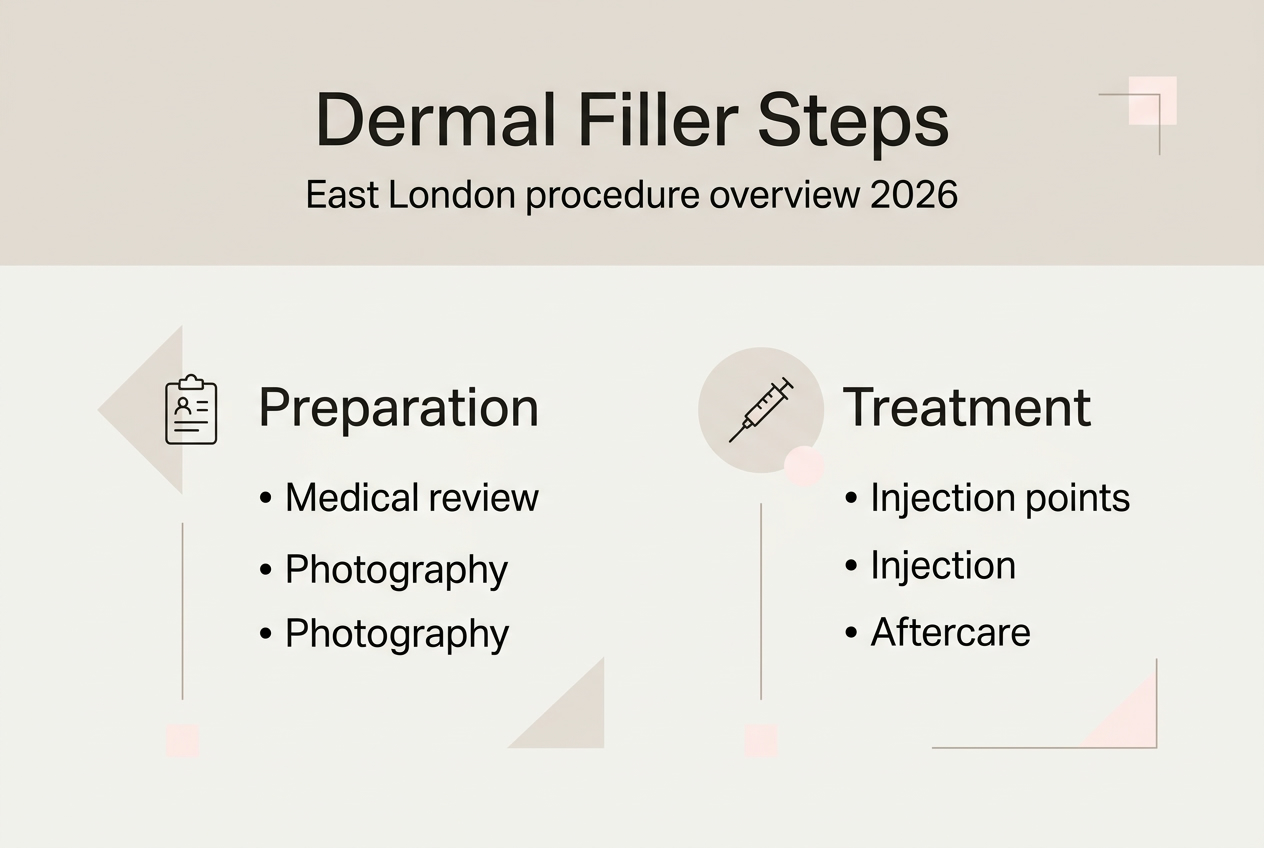
Filler longevity varies by composition and placement:
| Filler type | Primary ingredient | Typical duration | Best applications |
|---|---|---|---|
| Temporary HA | Hyaluronic acid | 6-18 months | Lips, fine lines, facial contouring |
| Semi-permanent | Calcium hydroxylapatite | 12-18 months | Deep folds, cheek volume |
| Collagen stimulator | Poly-L-lactic acid | 18-24 months | Overall facial volume, skin quality |
| Long-lasting | Polymethylmethacrylate | 2-5 years | Deep wrinkles, permanent volume |
Maintenance schedules depend on individual metabolism, lifestyle factors, and treatment area. Lips and areas with significant movement break down filler faster than static regions. Most patients schedule touch-ups every nine to twelve months to maintain results. Some prefer gradual enhancement through conservative treatments, building volume over multiple sessions.
Follow-up appointments serve multiple purposes beyond assessment. Your practitioner evaluates symmetry, addresses any concerns, and may perform minor adjustments. These visits also provide opportunities to refine your treatment plan based on how your tissue responds. Comprehensive post-procedure skincare guide resources help you optimise skin health between treatments.
Pro Tip: Document your results journey with monthly photographs using consistent lighting and angles. This visual record helps you and your practitioner identify when subtle volume loss begins, allowing strategic timing for maintenance treatments before significant regression occurs.
Explore expert dermal filler treatments in Walthamstow East London
Now that you understand the complete dermal filler process, taking the next step becomes straightforward. FaceUp Skin Studio offers personalised consultations where experienced clinicians assess your unique facial structure and aesthetic aspirations. Our team prioritises safety through advanced anatomical knowledge and evidence-based techniques.

Located conveniently in East London, our modern facilities provide a comfortable environment for your aesthetic journey. We specialise in natural-looking results that enhance your features whilst maintaining facial harmony. Whether you’re considering subtle lip enhancement or comprehensive facial rejuvenation, our practitioners create customised treatment plans aligned with your goals. Book your consultation at dermal filler treatments at FaceUp Skin Studio to discuss how we can help you achieve confident, refreshed appearance through expert dermal filler application.
Frequently asked questions about dermal filler procedures
How long does a dermal filler session typically take?
Most dermal filler appointments last between fifteen and sixty minutes depending on treatment complexity. Simple procedures like lip enhancement require approximately twenty minutes, whilst comprehensive facial rejuvenation may extend to forty-five minutes. Your initial consultation adds thirty to forty-five minutes for assessment and planning.
Are dermal fillers painful?
Discomfort remains minimal for most patients. Modern fillers often contain lidocaine, providing numbing during injection. You may feel brief pressure or pinching sensations. Topical anaesthetic applied beforehand further reduces discomfort. Many describe the experience as tolerable, rating pain between two and four on a ten-point scale.
What should I avoid before and after getting fillers?
Before treatment, discontinue blood-thinning medications and supplements for one week, avoid alcohol for forty-eight hours, and schedule when you can rest afterwards. Post-treatment, skip intense exercise, facial massage, extreme temperatures, and alcohol for twenty-four to forty-eight hours. Protect skin from sun exposure and avoid harsh skincare actives near injection sites for one week.
Can dermal fillers be reversed if I dislike the result?
Hyaluronic acid fillers can be dissolved using hyaluronidase enzyme, which breaks down the product within twenty-four to forty-eight hours. This reversibility offers safety and flexibility. However, other filler types like calcium hydroxylapatite or poly-L-lactic acid cannot be reversed and must metabolise naturally over time.
How often will I need to repeat the treatment?
Maintenance frequency depends on filler type, treatment area, and individual metabolism. Temporary hyaluronic acid fillers typically require touch-ups every six to eighteen months. Areas with significant movement like lips need more frequent maintenance than static regions like cheeks. Most patients schedule follow-up treatments every nine to twelve months to sustain optimal results.