
Many people assume that injectable treatments automatically produce a frozen or overfilled appearance. That assumption puts a lot of people off exploring options that could genuinely help them feel more confident. Sculptra challenges that idea entirely. Unlike traditional fillers that add volume immediately, Sculptra stimulates collagen gradually, working with your body’s own biology to restore a natural, rested look over time. In this article, we cover what Sculptra is, how the treatment works, what the process involves, what results you can realistically expect, and everything you need to know about safety before making an informed decision.
Key Takeaways
| Point | Details |
|---|---|
| Gradual, natural results | Sculptra stimulates your own collagen, leading to subtle improvements over months for an authentic, refreshed appearance. |
| Safety and suitability | FDA-approved and low-risk for most adults, but not suitable for those with certain medical conditions or allergies. |
| Long-lasting effects | Results persist for up to two years, outlasting most traditional fillers and maintaining youthful volume. |
| Personalised aftercare | Proper massage and aftercare ensure the best outcome and reduce the risk of uneven results or nodules. |
| Integrated aesthetic approach | Combining Sculptra with other treatments creates balanced, natural enhancements tailored to individual needs. |
What is Sculptra and how does it work?
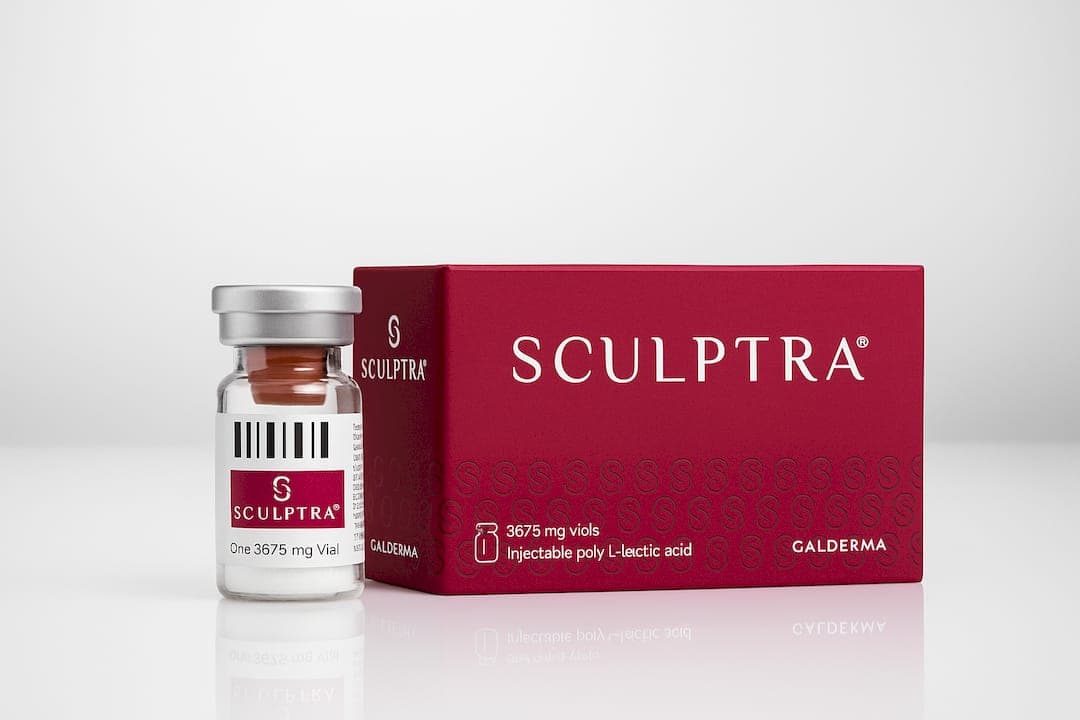
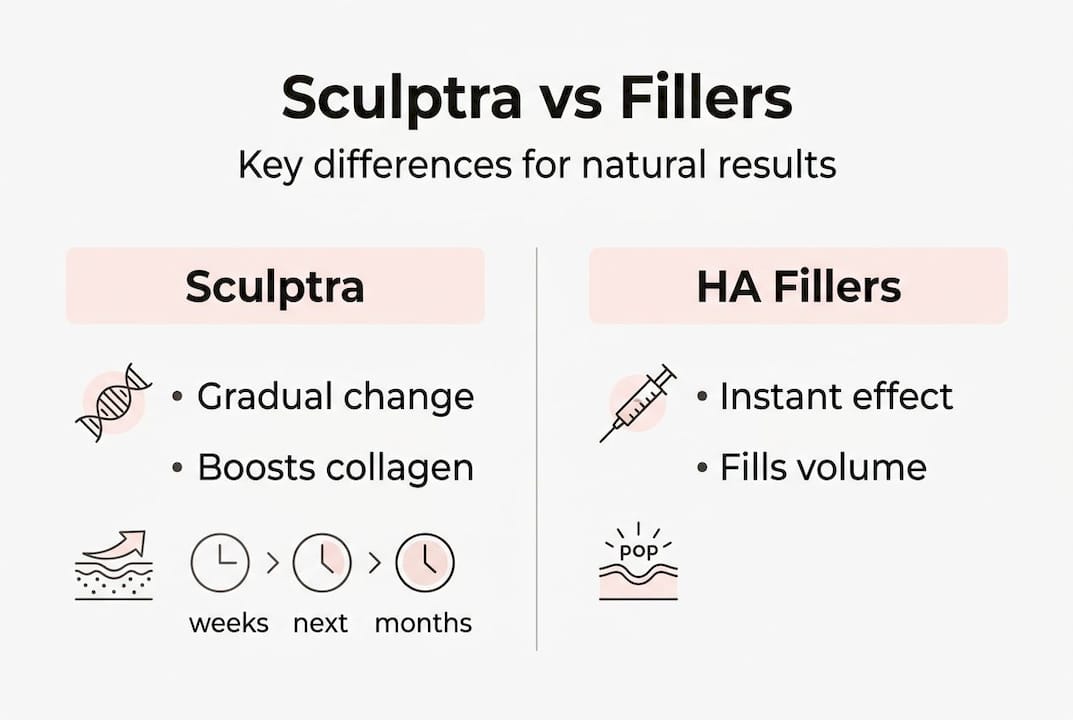
Sculptra is an injectable treatment made from poly-L-lactic acid, a synthetic but biocompatible material that has been used in dissolvable sutures for decades. When injected into the skin, it does not simply fill a space. Instead, it triggers your body’s own collagen-producing cells, known as fibroblasts, to generate new collagen over the weeks and months that follow. The result is a gradual, natural-looking improvement in facial volume and skin quality.
This is quite different from how cosmetic injectables such as hyaluronic acid (HA) fillers work. HA fillers physically add volume the moment they are injected, which is why results are visible immediately. Sculptra, by contrast, works behind the scenes. The poly-L-lactic acid particles are gradually absorbed by your body, but not before they have set off a collagen-building response that continues for several months.
Here is a quick summary of what makes Sculptra distinct:
-
Collagen stimulator, not a filler in the traditional sense
-
Gradual results that develop over weeks and months
-
Longer-lasting outcomes compared to most HA fillers
-
Biocompatible material with a well-established safety record
-
Subtle, natural appearance rather than an immediate, obvious change
Because the improvement builds slowly, the changes tend to look entirely natural. Friends and colleagues may notice you look refreshed without being able to pinpoint exactly why. For anyone who has been put off by the idea of looking “done,” this is a meaningful distinction.
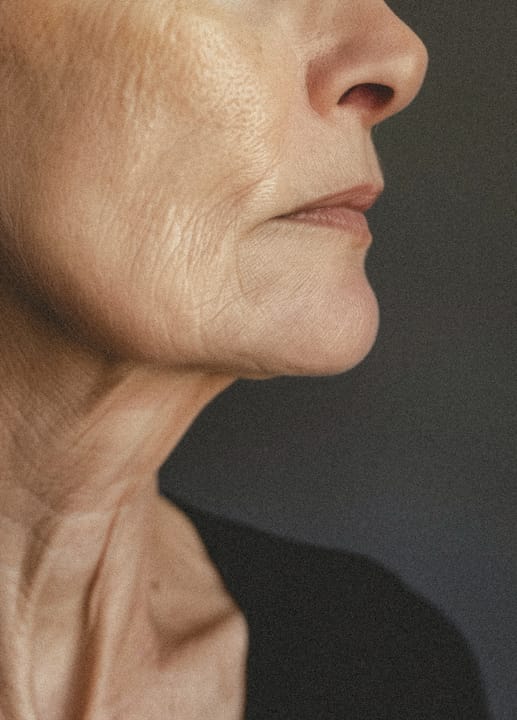
Sculptra is particularly well suited to treating areas where volume loss is the primary concern, such as the temples, cheeks, and jawline. It is also used to address skin laxity and fine lines across the face. Understanding how the dermal filler procedure steps compare to Sculptra’s approach can help you decide which path suits your goals.
Pro Tip: If you are someone who values subtlety and does not want a dramatic overnight change, Sculptra’s gradual mechanism is one of its greatest strengths. The slow reveal means the results integrate seamlessly into how you naturally look.
Treatment process: sessions, timelines, and aftercare
Knowing what to expect before, during, and after your Sculptra sessions makes the whole experience far less daunting. The treatment is not a single appointment. It is a planned course of care.
Most people require 2 to 4 sessions, spaced approximately 4 to 6 weeks apart. This spacing allows your practitioner to assess how your skin is responding and adjust the approach as needed. The number of sessions depends on your individual degree of volume loss and the areas being treated.
Here is a step-by-step overview of the typical Sculptra journey:
-
Initial consultation — Your practitioner assesses your facial structure, discusses your goals, and determines whether Sculptra is appropriate for you.
-
Treatment planning — A personalised plan is created, including the number of sessions, injection sites, and expected outcomes.
-
First session — Sculptra is injected using a fine needle or cannula, often with a topical anaesthetic applied beforehand for comfort.
-
Post-treatment massage — Immediately after and in the days that follow, you massage the treated areas using the 5-5-5 rule (see below).
-
Follow-up sessions — Subsequent appointments allow for further product placement and assessment of collagen response.
-
Review appointment — A final review ensures results are meeting expectations and identifies whether a maintenance session is needed.
The 5-5-5 massage rule is one of the most important parts of Sculptra aftercare. It means massaging the treated area for 5 minutes, 5 times a day, for 5 days after each session. This helps distribute the product evenly and significantly reduces the risk of small lumps forming under the skin.
| Feature | Sculptra | HA filler |
|---|---|---|
| Results visible | 2 to 3 months | Immediately |
| Duration of results | Up to 2 years or more | 6 to 18 months |
| Sessions required | 2 to 4 | Usually 1 |
| Mechanism | Collagen stimulation | Volume replacement |
| Reversible | No | Yes (with hyaluronidase) |
For more on managing your recovery well, our filler aftercare tips offer practical guidance that applies to many injectable treatments.
Pro Tip: Consistency with the massage aftercare is not optional. Skipping it increases the chance of nodule formation, which is one of the most common complications associated with Sculptra when aftercare is not followed correctly.
Clinical outcomes and patient satisfaction
Understanding what real patients experience helps set realistic expectations. The clinical evidence behind Sculptra is reassuring.
A study published in Dermatologic Surgery found that patients treated with poly-L-lactic acid showed significant facial volume improvement sustained over 12 months, with more than 80% of patients reporting long-term satisfaction with their results. These are not short-lived improvements. They reflect genuine, lasting change in skin quality and facial structure.
“Poly-L-lactic acid injection produced measurable, sustained improvements in facial volume with high patient satisfaction rates, supporting its use as a long-term aesthetic treatment.” — Dermatologic Surgery, 2015
The data also shows improvements on standardised facial volume loss scales, meaning the changes are not just subjective. Practitioners can objectively measure the degree of improvement across sessions.
Here is why patients consistently choose Sculptra over other options:
-
Results look natural and develop gradually, avoiding the “overfilled” appearance
-
Longer-lasting outcomes reduce the frequency of repeat treatments
-
The treatment addresses the root cause of ageing, which is collagen loss, rather than masking it
-
Suitable for a wide age range, particularly those in their 40s, 50s, and beyond
-
Can be combined with other treatments for a broader rejuvenation effect
The facial aesthetics benefits that patients report go beyond appearance. Many describe feeling more confident and at ease in social situations, which speaks to the psychological value of treatments that look authentic rather than artificial.
It is also worth noting that Sculptra’s results continue to improve for several months after the final session. Unlike HA fillers, where you see the full effect almost immediately, Sculptra keeps working quietly in the background, which many patients find genuinely exciting.
Risks, side effects, and contraindications
Every aesthetic treatment carries some degree of risk, and Sculptra is no exception. Being well informed helps you weigh the benefits against the potential downsides with clarity.
Sculptra has been FDA-approved since 2004, and its safety profile is well established over more than two decades of clinical use. Most side effects are mild and resolve on their own within days to a couple of weeks.
Common side effects include:
-
Bruising at the injection site, affecting a moderate proportion of patients
-
Swelling and redness, which typically settle within a few days
-
Tenderness around treated areas in the days immediately following treatment
-
Small nodules under the skin, most often linked to insufficient post-treatment massage
Serious adverse reactions are rare. When they do occur, they are typically associated with incorrect injection technique or failure to follow aftercare guidance. Choosing an experienced, qualified practitioner significantly reduces these risks.
Some people should not have Sculptra. You should avoid this treatment if you:
-
Are pregnant or breastfeeding
-
Have an active skin infection or inflammation in the area to be treated
-
Have a history of keloid scarring or hypertrophic scarring
-
Have a known allergy to poly-L-lactic acid
-
Have a bleeding or coagulation disorder
-
Are taking blood-thinning medications without medical clearance
If you are considering non-surgical injectables and are unsure whether Sculptra is right for you, a thorough consultation with a qualified practitioner is the safest and most sensible starting point. They will review your medical history, assess your skin, and give you an honest recommendation.
Statistic: Nodule formation, one of the more discussed risks, is largely preventable. Studies consistently show it is most common when the post-treatment massage protocol is not followed, reinforcing how much aftercare matters.
Sculptra: why gradual, natural change wins over quick fixes
There is a cultural shift happening in aesthetics, and it is one we fully support. More people are moving away from the idea of instant transformation and towards treatments that honour how they naturally look. Sculptra fits squarely into this movement.
The appeal of instant results is understandable. But quick fixes in aesthetics often come with a visible trade-off. Sculptra asks for patience, and in return, it delivers something that looks genuinely yours. That distinction matters enormously to the people we see.
What is also worth knowing is that Sculptra does not have to be used in isolation. A hybrid approach combining Sculptra with HA fillers can offer the best of both worlds: the gradual structural improvement of Sculptra alongside the immediate volume correction that HA provides. This combination is increasingly popular among patients who want both short-term and long-term results.
For those seeking natural injectable results, the mindset shift from “fast” to “considered” is often the most transformative step of all.
Pro Tip: Think of Sculptra as an investment in your skin’s future rather than a quick fix. Patients who approach it with realistic expectations and a willingness to trust the process consistently report the highest satisfaction.
Explore personalised Sculptra treatments in Walthamstow
If Sculptra’s gradual, natural approach resonates with you, the next step is a personalised consultation with an experienced practitioner who can assess your skin and build a plan around your specific goals.

At FaceUp Skin Studio, we offer expert-led Sculptra treatments in Walthamstow, tailored to your facial structure and aesthetic goals. Our approach prioritises safety, natural results, and open communication at every stage. Whether you are new to injectables or exploring Sculptra as part of a broader skin care plan, we are here to guide you. Visit our skin studio blog for more educational content, or book a consultation to discuss your options in a calm, pressure-free environment.
Frequently asked questions
How long do Sculptra treatment results last?
Sculptra results last up to two years or more, with improvements continuing to develop for several months after the final session, making it one of the longer-lasting injectable options available.
Is Sculptra safe and FDA-approved?
Yes, Sculptra has been FDA-approved since 2004 and carries a strong safety record. The vast majority of side effects are mild and short-lived, with serious reactions being rare.
Can I combine Sculptra with fillers or other skin treatments?
Absolutely. Sculptra is frequently combined with HA fillers for hybrid results, allowing patients to benefit from both immediate volume correction and long-term collagen stimulation.
Who should avoid Sculptra treatment?
Anyone with active infection, keloid scarring, a known PLLA allergy, pregnancy, or a bleeding disorder should not undergo Sculptra. A thorough consultation will identify any contraindications before treatment begins.
What is the aftercare for Sculptra treatment?
The 5-5-5 massage rule is essential: massage the treated area for 5 minutes, 5 times a day, for 5 days after each session. This helps distribute the product evenly and reduces the risk of nodule formation.