
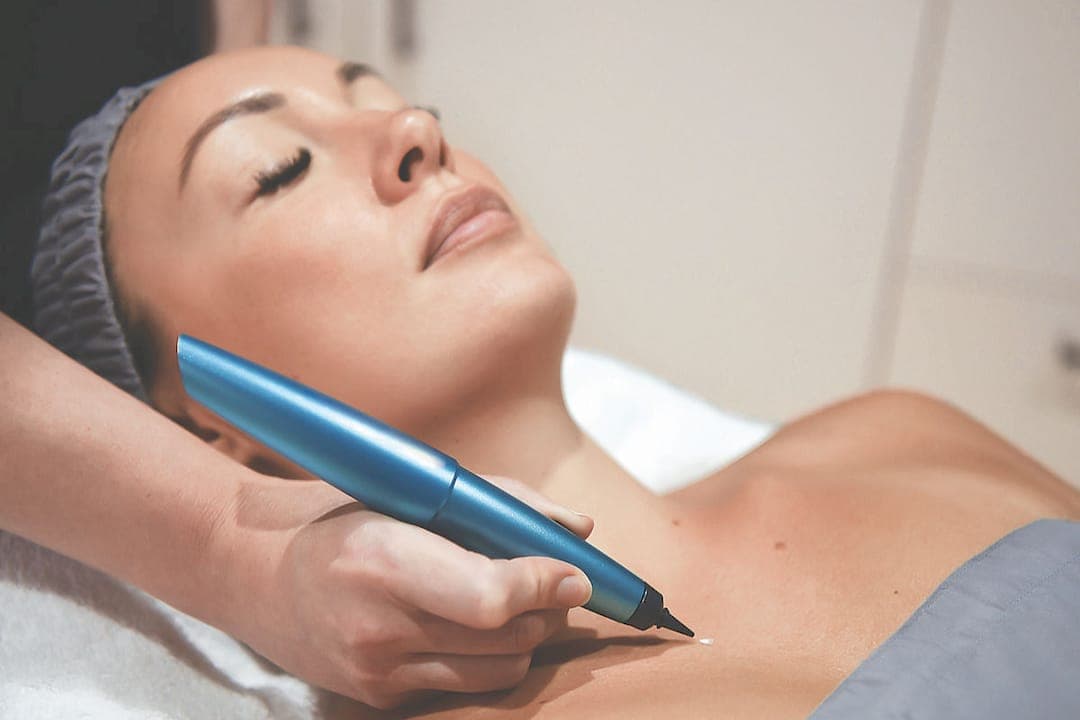
Skin tags are remarkably common, affecting roughly half of all adults at some point in their lives. They are harmless, yet many people find them bothersome, particularly when they appear on the neck, eyelids, or underarms. The worry is not just the tag itself. It is the fear of scarring, unnatural results, or choosing the wrong removal method. Cryotherapy, particularly using the CryoPen by Ivanmed, offers a precise, non-surgical solution that addresses all of those concerns. This guide walks you through everything you need to know, from how the treatment works to how to prepare, what to expect during healing, and how to protect your skin for the best possible outcome.
Key Takeaways
| Point | Details |
|---|---|
| Effective non-surgical option | Cryotherapy offers precise removal for skin tags without the risks of surgery. |
| Quick recovery | Most people heal in 7 to 14 days, with minimal downtime and discomfort. |
| Professional expertise matters | A skilled provider ensures safety, natural results, and minimises side effects compared to at-home kits. |
| Suitable for most adults | Cryotherapy is appropriate for most, but not for those pregnant or with certain health issues. |
Understanding skin tag cryotherapy removal
Cryotherapy works by applying extreme cold directly to the skin tag, freezing and destroying the unwanted tissue. The CryoPen by Ivanmed delivers a fine, controlled jet of nitrous oxide, targeting only the tag without affecting the surrounding healthy skin. This precision is one of the key reasons it has become a preferred choice in professional aesthetic clinics across London.
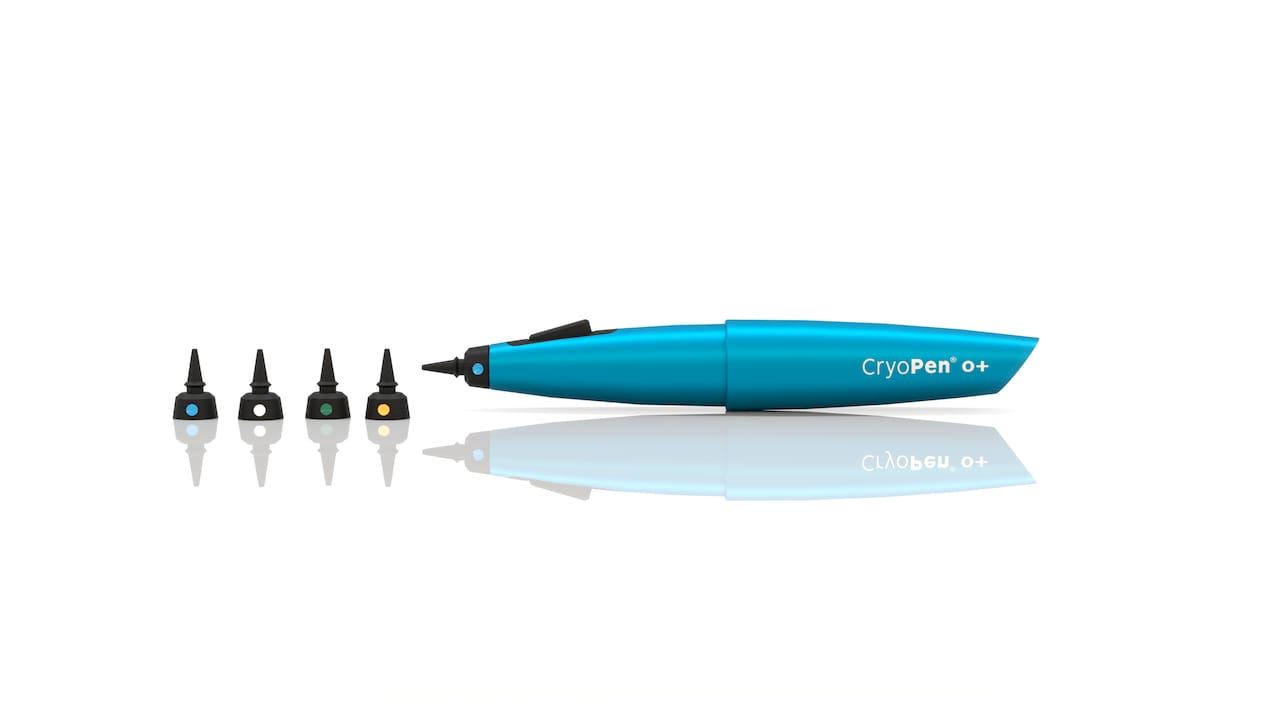
As cryotherapy of skin tags confirms, the process freezes and destroys tissue with minimal scarring, making it a reliable option for those who want clean, natural-looking results. The treated tissue gradually dies off and falls away during the healing process, leaving the skin beneath looking smooth and unaffected.
Compared to other removal methods, cryotherapy holds up well:
| Method | Scarring risk | Downtime | Precision |
|---|---|---|---|
| Cryotherapy (CryoPen) | Low | Minimal | High |
| Surgical excision | Moderate | Several days | Moderate |
| Laser removal | Low to moderate | Moderate | High |
| Topical creams | Variable | None | Low |
| Home freezing kits | Higher | Variable | Poor |
For small to medium-sized tags, cryotherapy success rates are notably high, often resolving the issue in a single session. Larger or thicker tags may occasionally require a follow-up treatment.
Good candidates for cryotherapy include adults with clearly identified, benign skin tags who are in good general health. If you have NHS guidance on skin tags confirming a benign lesion, you are likely well-placed to proceed. Those seeking non-surgical skin treatments often find cryotherapy fits naturally alongside other aesthetic procedures.
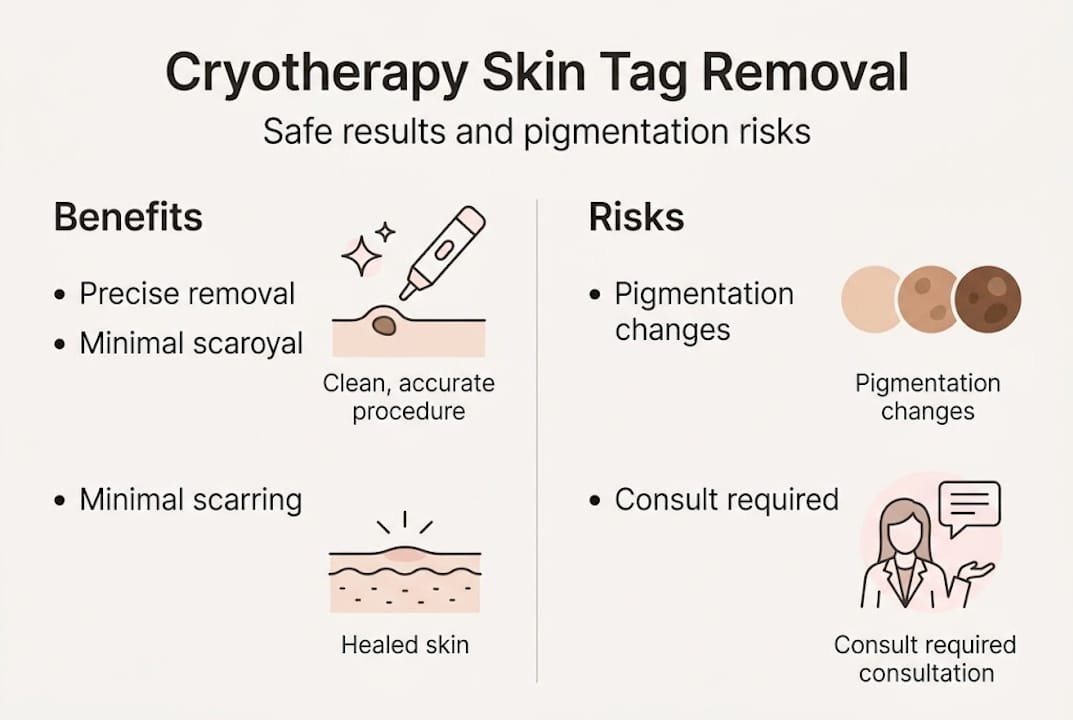
One important note: people with darker skin tones should discuss pigmentation risks with their practitioner beforehand. Cryotherapy can occasionally cause temporary lightening or darkening of the treated area, and a skilled clinician at one of the skilled London clinics will factor this into your personalised treatment plan.
What to expect: Preparing for safe removal
Preparation is where many people underestimate the importance of professional guidance. Getting cryotherapy right is not just about the procedure itself. It starts well before you arrive at the clinic.
First, confirm that what you have is actually a skin tag. Some lesions that appear to be skin tags can be warts, moles, or other growths that require different management. A qualified practitioner will assess the lesion before proceeding. NHS screening guidance is clear that cryotherapy is not suitable for pregnant people, those with poor circulation or healing difficulties, or anyone without a confirmed benign diagnosis.
Here is a practical checklist to help you prepare:
-
Confirm the lesion is a benign skin tag, ideally with a GP or aesthetic practitioner assessment
-
Disclose your medical history, including any conditions affecting circulation, immunity, or healing
-
Avoid blood-thinning supplements such as fish oil or high-dose vitamin E for a few days beforehand
-
Keep the area clean and free from lotions or creams on the day of treatment
-
Prepare your questions so you feel fully informed before consenting to the procedure
Questions worth asking your provider include: How many sessions might I need? What aftercare will I require? Is there a risk of pigment change given my skin tone?
The importance of professional advice cannot be overstated here. A thorough consultation protects both your safety and your cosmetic outcome.
Pro Tip: Never attempt at-home freezing kits as a substitute for professional cryotherapy. The CryoPen by Ivanmed delivers a calibrated, precise application that consumer-grade kits simply cannot replicate. Home kits carry a genuine risk of incomplete removal, infection, and scarring.
Step-by-step: The cryotherapy process
Knowing exactly what will happen during your appointment removes a great deal of anxiety. Here is what a typical CryoPen session looks like from start to finish.
-
Consultation and assessment. Your practitioner reviews your medical history, examines the skin tag, and discusses your expectations. A tailored plan is agreed upon, including the number of tags to be treated and the depth of freeze required.
-
Skin preparation. The area is cleaned. No anaesthetic is typically required for small tags, as the procedure is brief.
-
CryoPen application. The practitioner holds the CryoPen a few millimetres from the tag and applies a controlled jet of nitrous oxide. Each application lasts only a few seconds. As confirmed by cryotherapy research, most sessions take just 5 to 30 seconds per tag.
-
Immediate sensation. You will feel a sharp cold sensation followed by a brief sting. This fades quickly. Most people describe it as very tolerable.
-
Post-treatment assessment. Your practitioner checks the treated area and advises on what to expect over the coming days.
-
Aftercare instructions provided. You leave with clear written guidance on how to care for the site.
“Recovery from cryotherapy is typically complete within 7 to 14 days, with the treated tag gradually darkening, forming a small scab, and falling away naturally.”
During healing, you may notice redness, mild swelling, and a small blister forming over the tag. This is entirely normal and part of the process. The London studio experience at a reputable clinic ensures you are supported through every stage of this.
Pro Tip: Do not pick at blisters or scabs during healing. Interfering with the natural process significantly increases your risk of scarring and slows recovery. Let the skin do its work.
Risks, side effects, and troubleshooting results
Understanding what is normal during recovery helps you stay calm and make good decisions. Most people heal without complications, but it is important to know what to watch for.
Common side effects (expected and temporary):
-
Redness and warmth around the treated site
-
Mild swelling lasting one to two days
-
A small blister forming over the tag
-
Brief stinging or tenderness
-
The tag darkening before it falls off
Less common side effects to be aware of:
-
Temporary pigment changes, particularly lightening or darkening of the skin around the treated area
-
Incomplete removal requiring a second session
-
Prolonged redness lasting more than two weeks
As NHS guidance notes, common side effects include redness, stinging, and swelling, and pigment changes can occur, particularly in people with darker skin tones. Scarring is rare but more likely if aftercare is neglected.
“If you notice signs of infection, such as increasing pain, spreading redness, warmth, or discharge, contact your practitioner promptly. Do not wait to see if it resolves on its own.”
For those with deeper skin tones, managing skin sensitivity after any skin procedure is especially important. Discuss sun protection and post-treatment skincare with your clinician before your appointment, not after.
To avoid infection and achieve the best cosmetic result:
-
Keep the treated area clean and dry for the first 48 hours
-
Apply a gentle antiseptic if advised by your practitioner
-
Avoid direct sun exposure on the healing site
-
Do not apply make-up or heavy creams until the area has fully healed
-
Attend any recommended follow-up appointments
Most people find the healing process straightforward when they follow their aftercare plan consistently.
Why professional guidance makes all the difference
There is a growing trend of people reaching for at-home freezing kits, drawn in by convenience and lower upfront cost. We understand the appeal. But the reality is that DIY approaches carry more risk, while professionals ensure both safety and a cosmetically pleasing outcome.
Home kits cannot assess whether a lesion is actually a benign skin tag. They cannot adjust the freeze depth for your skin type or the size of the tag. They do not account for your medical history or skin tone. The result is often incomplete removal, unexpected pigment changes, or, in some cases, infection.
At a professional clinic in Walthamstow, the focus is not simply on removing the tag. It is on doing so in a way that leaves your skin looking natural and healthy. The CryoPen by Ivanmed, used by trained practitioners, allows for calibrated, precise treatment that consumer kits cannot replicate. Professional aesthetic care also means you have someone to contact if anything unexpected happens during healing.
The peace of mind that comes from knowing your treatment was performed safely, assessed properly, and supported with real aftercare guidance is genuinely worth it.
Next steps: Discover expert skin tag removal in Walthamstow
If you have been putting off addressing a skin tag because you were unsure where to turn, this is your moment to take a confident next step. Choosing an aesthetic-led studio means your result is guided by both clinical knowledge and an eye for natural outcomes.

At FaceUp Skin Studio in Walthamstow, our practitioners use the CryoPen by Ivanmed to deliver precise, effective cryotherapy tailored to your skin type and concerns. From your initial consultation through to aftercare, we are with you every step of the way. Book your consultation today and take the first step towards clearer, smoother skin with complete confidence.
Frequently asked questions
How long does a skin tag take to fall off after cryotherapy?
Most skin tags drop off within 7 to 14 days after treatment as the tissue gradually dies and the skin beneath heals. The healing timeline is typically complete within this window for the majority of people.
Is cryotherapy painful for skin tag removal?
You may feel a sharp stinging or cold sensation for a few seconds, but discomfort is usually brief and mild. Most people find the mild stinging very manageable and do not require any anaesthetic.
Are there risks of scarring after removal?
Scarring is uncommon but possible, particularly if you pick at the treated area before it heals fully. Following your aftercare guidance carefully significantly reduces this risk, as scarring is rare with proper aftercare.
Who should avoid skin tag cryotherapy?
Those who are pregnant, have poor circulation or healing difficulties, or have an unclear diagnosis should avoid cryotherapy. Not suitable for pregnant people or those with compromised healing is a clear clinical guideline to follow before proceeding.