
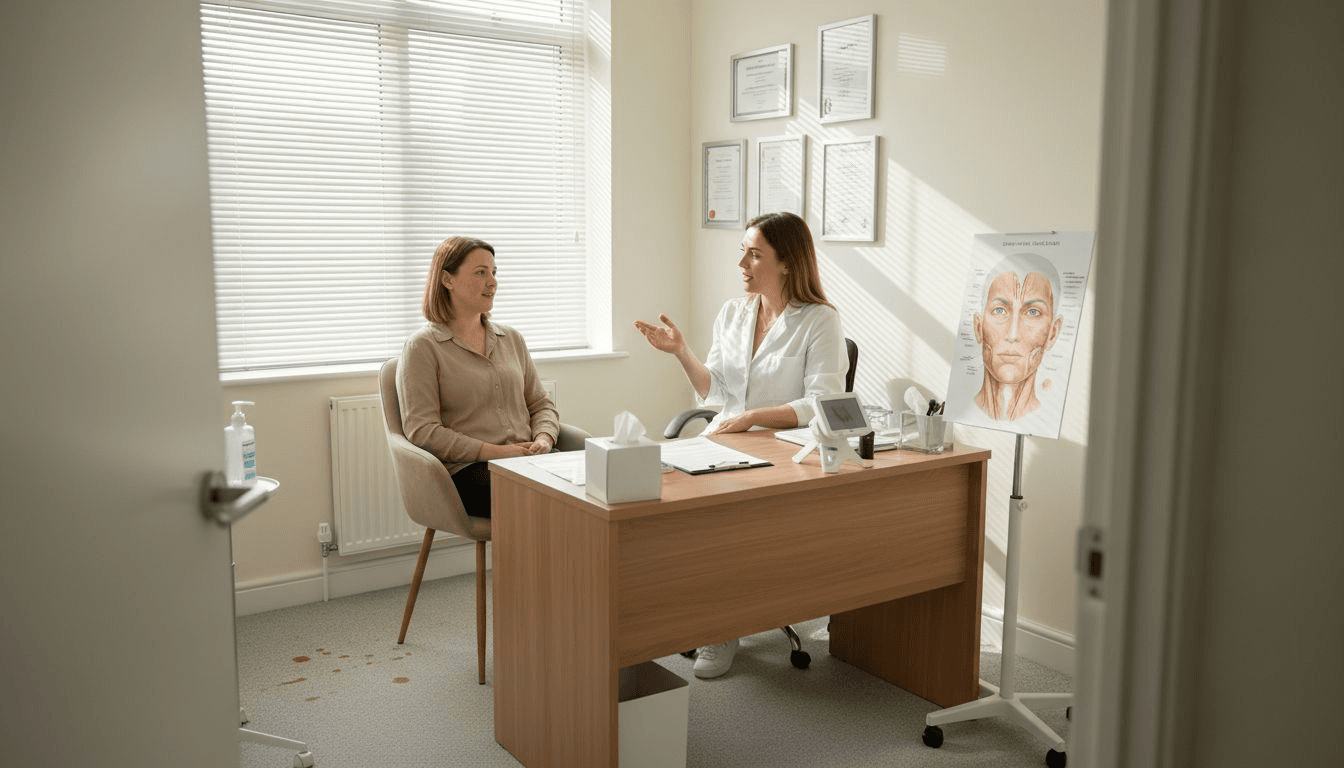
Selecting the right skin clinic in East London can feel overwhelming with countless options and conflicting reviews. Many adults seeking advanced treatments struggle to distinguish safe, effective clinics from those that may compromise results or safety. This guide provides a clear, step-by-step framework to help you confidently identify clinics offering personalised, professional aesthetic care tailored to your unique skin needs.
Table of Contents
- Understanding the importance of choosing the right skin clinic
- Prerequisites: what you need before starting your search
- Step 1: verify practitioner expertise and credentials
- Step 2: ensure clinic safety and hygiene standards
- Step 3: assess personalised consultation and treatment plans
- Step 4: understand costs and transparency
- Step 5: know common mistakes and how to avoid them
- Step 6: set realistic expectations regarding outcomes and timelines
- Step 7: explore alternative clinic types and tradeoffs
- Conclusion: making an informed choice with confidence
- Find your ideal skin clinic in East London today
- FAQ
Key takeaways
| Point | Details |
|---|---|
| Verify practitioner qualifications | Check GMC or NMC registration and aesthetic medicine certifications before booking any treatment. |
| Ensure clinic safety standards | Confirm CQC registration and review hygiene protocols to protect against complications. |
| Demand personalised consultations | Choose clinics offering advanced diagnostics and customised treatment plans for better outcomes. |
| Understand transparent pricing | Request detailed cost breakdowns to avoid hidden fees and compare package value carefully. |
| Set realistic expectations | Expect visible results within 4 to 8 weeks with proper aftercare and maintenance commitment. |
Understanding the importance of choosing the right skin clinic
Your choice of skin clinic directly determines treatment safety, effectiveness, and overall satisfaction. Unregulated or poorly certified clinics pose serious risks including up to 15% complication rates involving infections and allergic reactions. These preventable issues often result from inadequate hygiene standards or unqualified practitioners performing complex procedures.
Practitioner expertise matters enormously. A certified aesthetic professional understands skin physiology, treatment interactions, and proper technique execution. When practitioners lack proper training, you face higher risks of scarring, uneven results, or adverse reactions that require costly corrective treatments.
Personalised treatment plans consistently outperform generic packages. FaceUp Skin Studio and similar quality clinics assess your individual skin condition, concerns, and goals before recommending specific treatments. This tailored approach accounts for factors like skin type, age, lifestyle, and medical history that generic packages ignore.
Pro Tip: Before booking any treatment, ask the clinic how they customise protocols for different skin types and ages. Vague answers or one-size-fits-all responses signal potential quality issues.
Key safety considerations include:
- Official registration with regulatory bodies like CQC
- Practitioner qualifications verified through GMC or NMC
- Clear infection control and sterilisation protocols
- Transparent complication rates and aftercare procedures
- Client testimonials specifically mentioning safety and hygiene
Prerequisites: what you need before starting your search
Before evaluating clinics, gather essential tools and knowledge to make informed comparisons. Access to professional registration databases enables quick credential verification. The GMC (General Medical Council) register confirms doctor qualifications whilst the NMC (Nursing and Midwifery Council) verifies nursing credentials.
Develop basic understanding of advanced skin treatments you're considering. Research procedures like chemical peels, laser therapy, microneedling, or dermal fillers. Understanding treatment mechanisms helps you ask intelligent questions and spot practitioners who oversimplify or misrepresent procedures.
Familiarise yourself with clinic safety certifications. The Care Quality Commission (CQC) regulates health and social care providers in England. Verification through professional registers is critical for safe aesthetic treatments. CQC registration demonstrates compliance with national health standards, infection control protocols, and patient safety requirements.
Essential preparation checklist:
- List your specific skin concerns and treatment goals
- Research average costs for treatments you're considering
- Prepare questions about practitioner experience and qualifications
- Identify red flags like pressure tactics or guaranteed results
- Understand realistic outcomes and recovery timelines
Pro Tip: Create a spreadsheet comparing clinics across key factors like practitioner credentials, CQC status, pricing transparency, and consultation quality. This systematic approach prevents emotional decision making.
FaceUp Skin Studio exemplifies the transparent approach quality clinics should offer, providing clear information about practitioners, treatments, and expected outcomes before you commit.
Step 1: verify practitioner expertise and credentials
Start by confirming practitioners are legally authorised to perform aesthetic procedures. For doctor-led treatments, search the GMC register using the practitioner's full name. The register displays qualifications, registration status, and any restrictions or conditions.
For nurse-led treatments, check the NMC register similarly. Beyond basic registration, look for additional certifications in aesthetic medicine, dermatology, or cosmetic procedures. Organisations like the British College of Aesthetic Medicine (BCAM) offer specialist training that distinguishes qualified practitioners from minimally trained providers.
Review practitioner experience relevant to your specific concerns. A practitioner skilled in treating acne scarring may lack expertise in anti-ageing treatments. Ask directly about their experience with your skin type and age group during consultations.
Step-by-step verification process:
- Request the practitioner's full name and GMC or NMC registration number
- Search the appropriate professional register online
- Verify registration status shows as current and unrestricted
- Check listed qualifications match what the clinic advertises
- Look for additional aesthetic medicine certifications or memberships
- Ask about years of experience with your specific treatment
- Request before and after photos of similar cases they've treated
Pro Tip: Legitimate practitioners welcome credential verification and provide registration numbers willingly. Hesitation or vague responses indicate potential problems worth avoiding.
Experience matters beyond basic qualifications. A newly certified practitioner may be competent but lacks the pattern recognition and troubleshooting skills developed over years. For complex treatments, prioritise practitioners with at least three years of aesthetic medicine experience.
Step 2: ensure clinic safety and hygiene standards
CQC registration provides essential oversight of clinic operations. CQC registration guarantees adherence to national health and safety standards in UK clinics. Search the CQC website using the clinic name or location to verify registration status and review inspection reports.
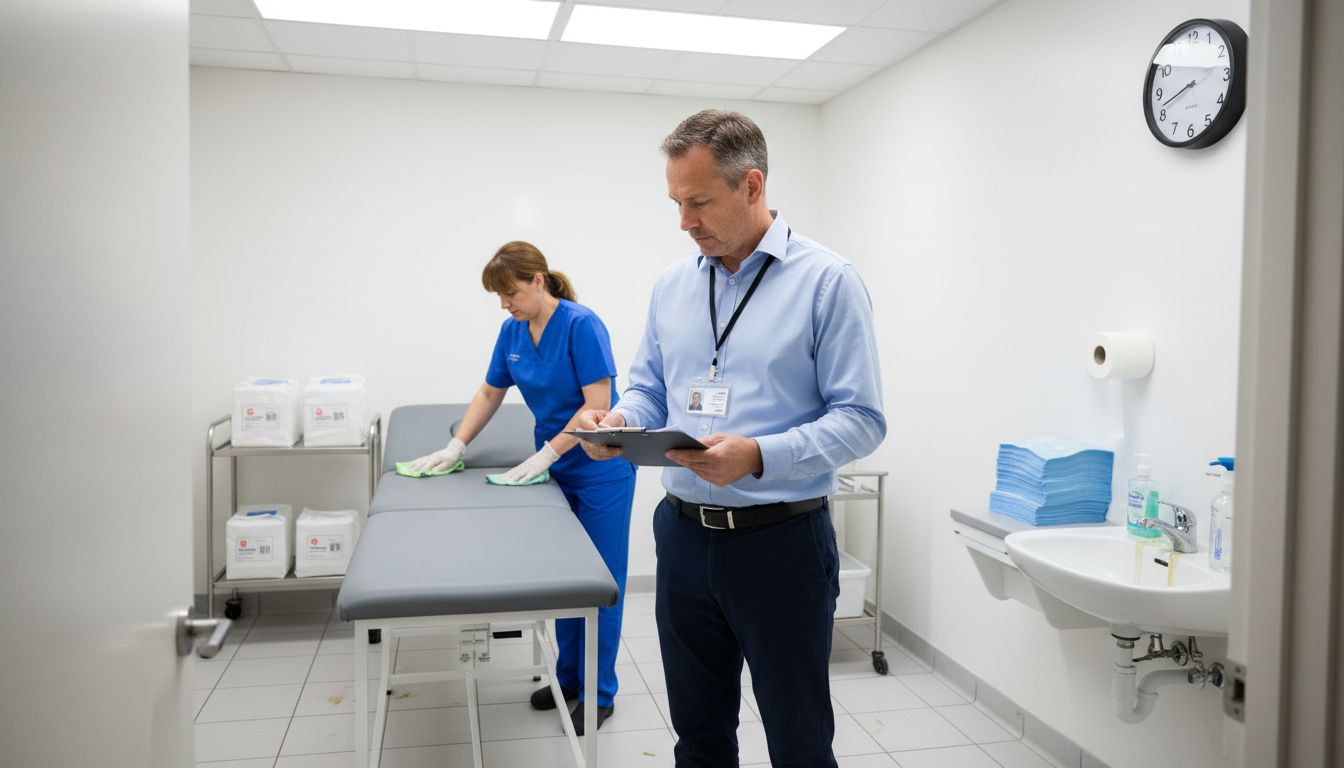
Inspection reports reveal crucial safety information. Look for ratings in key areas like safety, effectiveness, caring approach, responsiveness, and leadership. Reports detail any compliance issues, improvement requirements, or outstanding concerns identified during inspections.
Understand essential infection control protocols quality clinics maintain:
- Single-use needles and equipment discarded after each patient
- Autoclave sterilisation of reusable instruments with regular testing
- Proper personal protective equipment (PPE) used during all procedures
- Clean treatment rooms sanitised between appointments
- Clear waste disposal procedures for medical materials
Client feedback supplements official checks. Review testimonials specifically mentioning cleanliness, hygiene practices, and safety protocols. Multiple complaints about sanitation or rushed procedures signal serious red flags.
"The clinic's attention to hygiene impressed me immediately. Every surface was spotless, all equipment came from sealed packages, and staff explained their sterilisation protocols thoroughly before my treatment began."
Schedule facility tours before booking treatments. Observe treatment rooms, staff hygiene practices, and overall cleanliness. Quality clinics welcome tours and answer safety questions confidently.
Step 3: assess personalised consultation and treatment plans
Advanced diagnostics distinguish professional clinics from basic providers. Clinics using advanced skin analysis tech report 42% higher satisfaction rates. Technologies like dermoscopy, skin imaging systems, and moisture analysis provide objective data about your skin condition.
These diagnostic tools identify concerns invisible to the naked eye. Hyperpigmentation beneath the surface, early sun damage, or dehydration patterns guide treatment selection. Without proper analysis, practitioners rely on visual assessment alone, missing crucial factors affecting treatment success.
Customised treatment plans address your unique needs:
- Skin type and sensitivity considerations
- Specific concerns like scarring, pigmentation, or texture issues
- Age-appropriate protocols and realistic outcomes
- Lifestyle factors affecting treatment and recovery
- Medical history and contraindications
Generic packages ignore individual variation. A chemical peel protocol perfect for one person may be too aggressive or ineffective for another. Personalisation optimises results whilst minimising complications.
| Diagnostic Tool | Purpose | Benefit |
|---|---|---|
| Dermoscopy | Analyses skin structure and pigmentation patterns | Identifies hidden damage and optimal treatment depth |
| Skin imaging | Documents baseline condition with standardised photos | Tracks progress objectively over treatment course |
| Moisture analysis | Measures hydration levels across face zones | Customises product recommendations and protocols |
During consultations, quality practitioners spend 30 to 45 minutes assessing your skin, discussing goals, and explaining recommended treatments. They acknowledge limitations, discuss realistic outcomes, and never guarantee perfect results.
Pro Tip: Be wary of consultations lasting under 15 minutes or practitioners who immediately recommend expensive package deals without thorough assessment. These shortcuts compromise treatment quality and safety.
Step 4: understand costs and transparency
Request detailed pricing breakdowns before committing to treatments. Quality clinics provide clear costs for individual sessions, multi-session packages, and any additional products or aftercare requirements. Hidden fees undermine trust and inflate final expenses unexpectedly.
Compare package deals carefully. Multi-session packages often offer per-session savings but require upfront commitment. Ensure you understand:
- Total package cost versus individual session pricing
- Number of sessions included and recommended treatment frequency
- Expiration dates or time limits for using purchased sessions
- Refund or cancellation policies if results disappoint
- Additional costs for consultations, products, or follow-up appointments
Transparent pricing fosters trust and reduces treatment dissatisfaction. Clinics confident in their value provide comprehensive pricing information upfront. Pressure to decide immediately or vague cost estimates signal potential problems.
Watch for common hidden charges:
- Mandatory "consultation fees" not applied to treatment costs
- Required product purchases marked up significantly
- Per-area pricing that multiplies unexpectedly
- Extra fees for "premium" appointment times or practitioners
- Aftercare visit charges not disclosed initially
Compare costs across multiple clinics but avoid choosing based solely on lowest price. Significantly cheaper treatments may indicate inexperienced practitioners, diluted products, or corner-cutting on safety protocols. Balance cost considerations with practitioner qualifications and clinic safety standards.
Step 5: know common mistakes and how to avoid them
Many clients compromise their safety and results through preventable errors. 30% of dissatisfied patients failed to verify clinic or practitioner credentials, leading to complications requiring corrective treatment.
Common mistakes and practical solutions:
- Neglecting credential verification: Clients assume advertised qualifications are accurate without checking GMC or NMC registers. Fix this by spending 10 minutes verifying registration before booking.
- Ignoring safety warnings: Reviews mentioning hygiene concerns or complications get dismissed as outliers. Fix this by treating multiple similar complaints as serious red flags requiring investigation.
- Skipping critical questions: Embarrassment or time pressure prevents asking about risks, recovery, and success rates. Fix this by preparing a written question list and insisting on complete answers.
- Rushing decisions under pressure: Sales tactics create artificial urgency with limited-time offers. Fix this by taking at least 48 hours to consider any treatment recommendation, regardless of promotional timing.
Pro Tip: If a clinic pressures you to decide immediately or claims an offer expires today, walk away. Quality practitioners respect your need for careful consideration and welcome informed decision making.
Additional mistakes include choosing clinics based purely on social media presence, assuming expensive automatically means better quality, or failing to research the specific treatment's risks and contraindications. Social media followers don't verify safety standards, high prices may reflect location costs rather than expertise, and every treatment carries specific risks you must understand.
Protect yourself by maintaining healthy scepticism, asking uncomfortable questions, and prioritising safety over convenience or cost savings.
Step 6: set realistic expectations regarding outcomes and timelines
Understanding typical treatment timelines prevents disappointment and ensures proper commitment. Most advanced skin treatments require patience as cellular regeneration and collagen production occur gradually over weeks.
Visible improvements typically emerge between 4 to 8 weeks after treatments like chemical peels, laser sessions, or microneedling. Initial results may appear within days but represent temporary effects like increased hydration or reduced inflammation. Meaningful structural changes require time as your skin rebuilds and renews itself.
Expected measurable outcomes with proper treatment protocols:
- 60% to 75% improvement in skin texture and tone
- Visible reduction in fine lines and early wrinkles
- Noticeable fading of hyperpigmentation and sun damage
- Improved firmness and elasticity
- Reduced pore appearance and smoother surface
| Treatment Type | Initial Results | Optimal Results | Maintenance Frequency |
|---|---|---|---|
| Chemical peels | 3 to 5 days | 4 to 6 weeks | Every 4 to 6 months |
| Laser therapy | 1 to 2 weeks | 6 to 8 weeks | Annually or as needed |
| Microneedling | 5 to 7 days | 4 to 8 weeks | Every 6 to 8 weeks initially |
Aftercare adherence dramatically influences outcomes. Skipping sun protection, using harsh products, or neglecting recommended serums compromises results and increases complication risks. Follow practitioner instructions precisely regarding:
- Sun protection requirements and SPF levels
- Product application timing and techniques
- Activities to avoid during healing periods
- Signs of complications requiring immediate contact
Recovery timelines vary by procedure intensity. Mild treatments may involve only temporary redness whilst aggressive protocols require several days of visible peeling or downtime. Understanding these realities helps you schedule treatments appropriately around work and social commitments.
Step 7: explore alternative clinic types and tradeoffs
Physician-led and nurse-led clinics offer different advantages depending on your priorities. Physician-led clinics typically cost about 20% more but provide access to broader treatment options and medical oversight. Doctors can perform procedures requiring prescription medications or deeper interventions that nurses cannot legally provide.
Nurse-led clinics often offer more affordable pricing for standard treatments. Qualified aesthetic nurses deliver excellent results for procedures within their scope like superficial peels, microneedling, or basic laser treatments. However, treatment range limitations may require referrals elsewhere for advanced concerns.
Safety profiles differ slightly between clinic types. Physician-led clinics maintain lower complication rates due to immediate medical intervention availability if problems arise. Nurse-led clinics still maintain high safety standards when properly regulated but may need to transfer care for complex complications.
| Factor | Physician-Led Clinics | Nurse-Led Clinics |
|---|---|---|
| Average cost | 20% higher | More affordable |
| Treatment range | Extensive, including prescription protocols | Limited to non-prescription procedures |
| Medical oversight | Immediate physician availability | Physician supervision arrangements vary |
| Complication management | On-site medical intervention | Referral protocols for complex issues |
| Ideal for | Complex concerns, medical conditions, extensive treatments | Standard treatments, budget-conscious clients |
Clients prioritising comprehensive medical safety and access to advanced treatments typically prefer physician-led options despite premium pricing. Those seeking standard treatments with qualified practitioners may find excellent value at nurse-led clinics.
Evaluate your specific needs against these tradeoffs. Someone with complex medical history or advanced skin concerns benefits from physician expertise. Someone seeking routine maintenance treatments may not require that level of medical involvement.
Conclusion: making an informed choice with confidence
You now possess a comprehensive framework for selecting the best skin clinic in East London. This systematic approach protects your safety whilst optimising treatment outcomes.
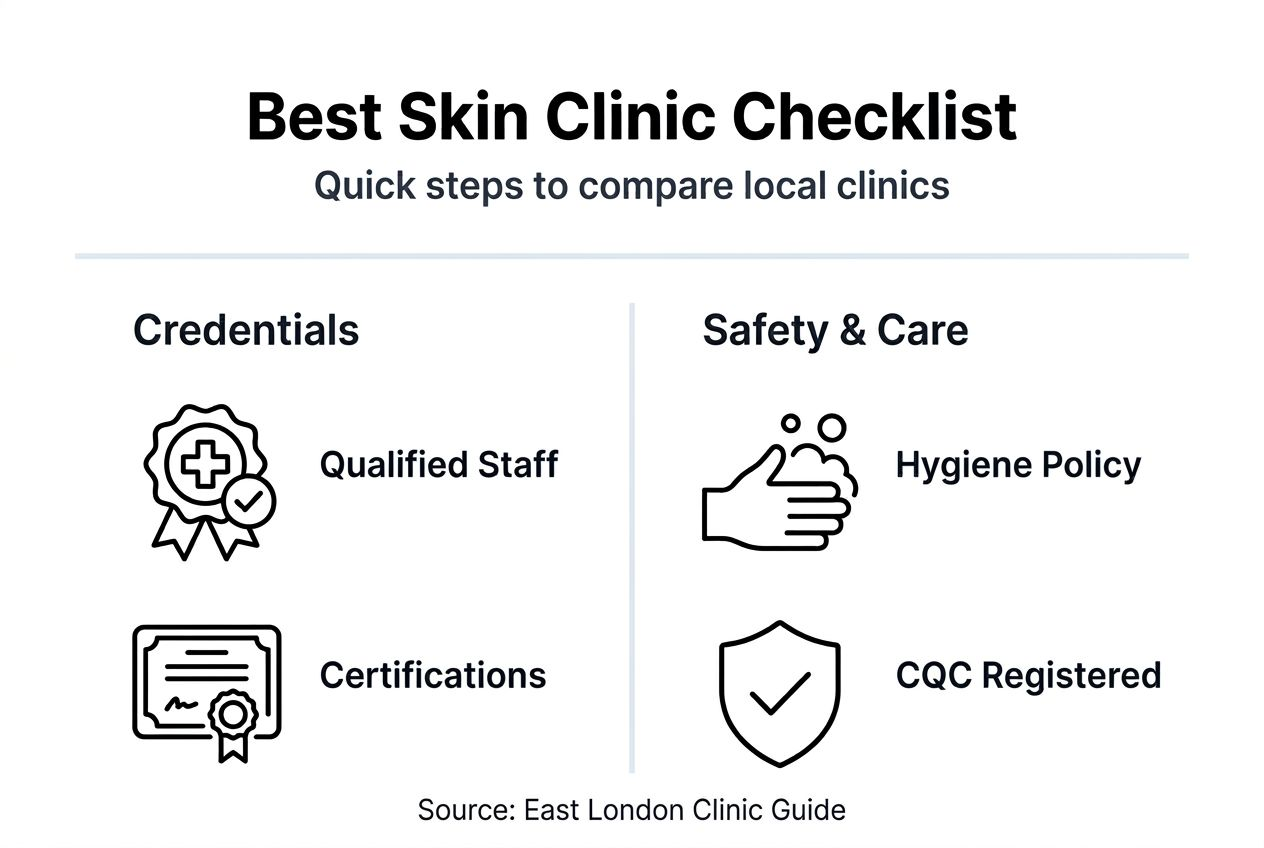
Your selection checklist:
- Verify practitioner GMC or NMC registration and aesthetic certifications
- Confirm clinic CQC registration and review recent inspection reports
- Ensure personalised consultations include advanced diagnostic assessment
- Request transparent pricing with detailed cost breakdowns
- Prepare consultation questions addressing risks, outcomes, and aftercare
- Compare physician-led versus nurse-led options based on your needs
Prioritise clinics demonstrating high safety standards, qualified practitioners, and proven track records. FaceUp Skin Studio exemplifies the professional standard you should expect, offering certified practitioners, personalised protocols, and transparent communication.
Take time verifying information rather than rushing decisions under pressure. Your skin health deserves careful consideration and proper due diligence. Quality clinics welcome questions, provide detailed answers, and respect your decision-making process.
Schedule consultations at multiple clinics before committing. Compare practitioner expertise, facility standards, and overall impressions. Trust your instincts if something feels rushed or unprofessional.
Find your ideal skin clinic in East London today
Now that you understand what distinguishes exceptional skin clinics, consider FaceUp Skin Studio for your advanced aesthetic treatments. Our certified practitioners deliver personalised protocols using cutting-edge diagnostics that analyse your unique skin condition thoroughly.
We maintain transparent pricing structures with detailed cost breakdowns before you commit. Our comprehensive consultations assess your concerns, explain realistic outcomes, and create customised treatment plans addressing your specific goals. You receive clear aftercare guidance maximising results whilst minimising complications.
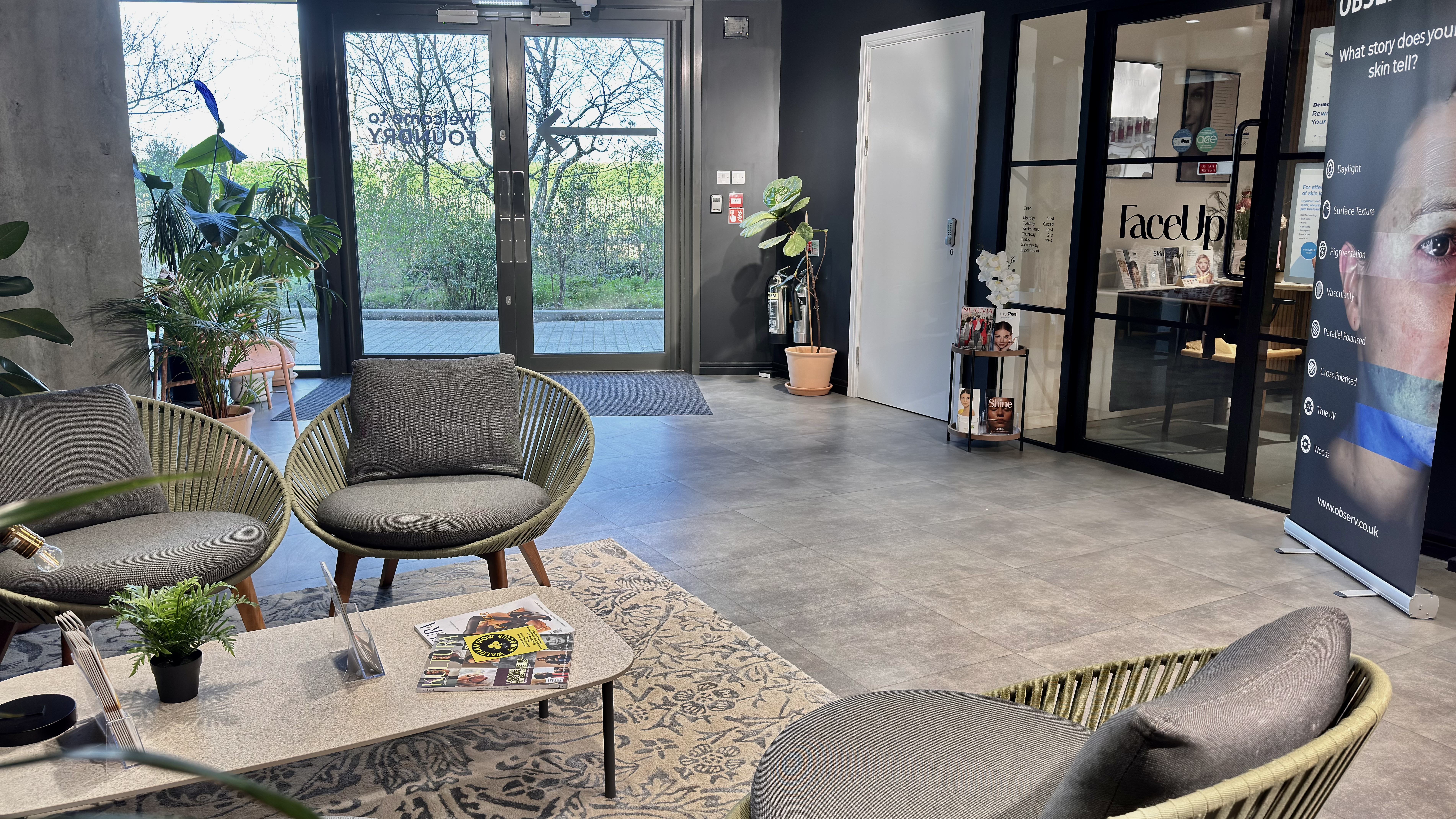
Our East London location provides convenient access to professional aesthetic care meeting the highest safety and quality standards. Schedule your consultation today to begin your journey toward healthier, rejuvenated skin with practitioners who prioritise your wellbeing above sales targets.
FAQ
What qualifications should skin clinic practitioners have?
Practitioners must hold registration with official bodies like the GMC for doctors or NMC for nurses, verifying their legal authority to perform aesthetic procedures. Additional certifications in dermatology, aesthetic medicine, or cosmetic procedures from recognised organisations like BCAM demonstrate specialist training beyond basic medical qualifications.
How can I verify a skin clinic's safety standards?
Check the clinic's CQC registration status on the official Care Quality Commission website, which provides inspection reports detailing safety compliance and any concerns. Supplement official checks by reading client reviews specifically mentioning hygiene, cleanliness, and safety protocols to identify potential warning signs.
What results and recovery times are typical after skin treatments?
Most professional skin treatments produce visible improvements between 4 to 8 weeks as your skin completes natural regeneration cycles. Recovery timelines vary from immediate return to activities after mild treatments to several days of visible peeling or downtime for aggressive protocols. Strict adherence to aftercare instructions significantly impacts both result quality and complication prevention.
What questions should I ask during my skin clinic consultation?
Inquire about the practitioner's specific qualifications, registration numbers, and experience treating concerns similar to yours. Ask detailed questions about treatment risks, realistic outcome expectations, complete pricing including potential hidden fees, and comprehensive aftercare requirements. Request before and after photos of previous patients with similar skin types and concerns to assess the practitioner's work quality.