
Lasers have quietly become one of the most powerful tools in non-surgical aesthetics, and most people still think they are reserved for dramatic, high-risk procedures. The reality is quite different. Through a process called selective photothermolysis, modern lasers target specific skin structures with extraordinary precision, stimulating renewal without a single incision. Whether you are dealing with fine lines, acne scars, uneven pigmentation, or dull skin, there is now a laser protocol designed to address it safely and effectively, right here in Walthamstow.
Key Takeaways
| Point | Details |
|---|---|
| Precision targeting | Lasers address skin issues with pinpoint accuracy for natural-looking rejuvenation. |
| Treatment flexibility | Multiple laser types allow solutions for wrinkles, scars, pigment, and all skin tones. |
| Personalised protocols | Expert practitioners tailor laser settings to your unique goals and skin type. |
| Safety matters | Understanding risks and seeking reputable providers ensures better outcomes. |
How lasers work in aesthetics
Understanding why lasers work so well starts with one simple idea: light energy can be tuned. Different wavelengths of light are absorbed by different targets in the skin, known as chromophores. Melanin, haemoglobin, and water each absorb specific wavelengths, which means a skilled practitioner can direct energy precisely where it is needed.
Once absorbed, that energy triggers three types of responses:
-
Photothermal effects: Heat is generated, stimulating collagen production and remodelling existing tissue
-
Photomechanical effects: Rapid pressure waves break apart pigment clusters or unwanted structures
-
Photochemical effects: Light triggers biological reactions that accelerate cellular repair
These skin remodelling mechanisms are what make lasers so versatile. A single device, adjusted correctly, can resurface the outer skin layer, tighten deeper tissue, or shatter stubborn pigment deposits.
Power settings, pulse duration, and spot size are all adjusted to match your individual goals. Someone targeting fine lines needs a completely different protocol than someone treating post-inflammatory pigmentation. This level of personalisation is what separates modern laser therapy in Walthamstow from older, one-size-fits-all approaches.
“The effectiveness of a laser treatment depends far less on the machine itself and far more on the expertise of the person operating it.”
Pro Tip: Always book a consultation before any laser procedure. A qualified practitioner will assess your skin type, medical history, and goals before recommending a protocol. Skipping this step is the most common reason people experience disappointing or unsafe results.
Types of lasers for skin and beauty concerns
Not all lasers are created equal, and choosing the right one matters enormously. The three main categories you will encounter in aesthetic clinics each have distinct strengths, recovery profiles, and ideal use cases. Key laser types include ablative, non-ablative, and picosecond technologies.
| Laser type | Best for | Downtime | Sessions needed |
|---|---|---|---|
| Ablative (CO2, Er:YAG) | Deep wrinkles, scarring, skin resurfacing | 7 to 14 days | 1 to 2 |
| Non-ablative (Nd:YAG, diode) | Mild lines, redness, gradual rejuvenation | Minimal | 3 to 6 |
| Picosecond | Pigmentation, tattoo removal, ethnic skin | 1 to 3 days | 3 to 8 |
Ablative lasers vaporise the outermost skin layers, triggering significant regeneration. The results can be dramatic, but the recovery is real. You will look red and raw for up to two weeks, and sun avoidance is non-negotiable.
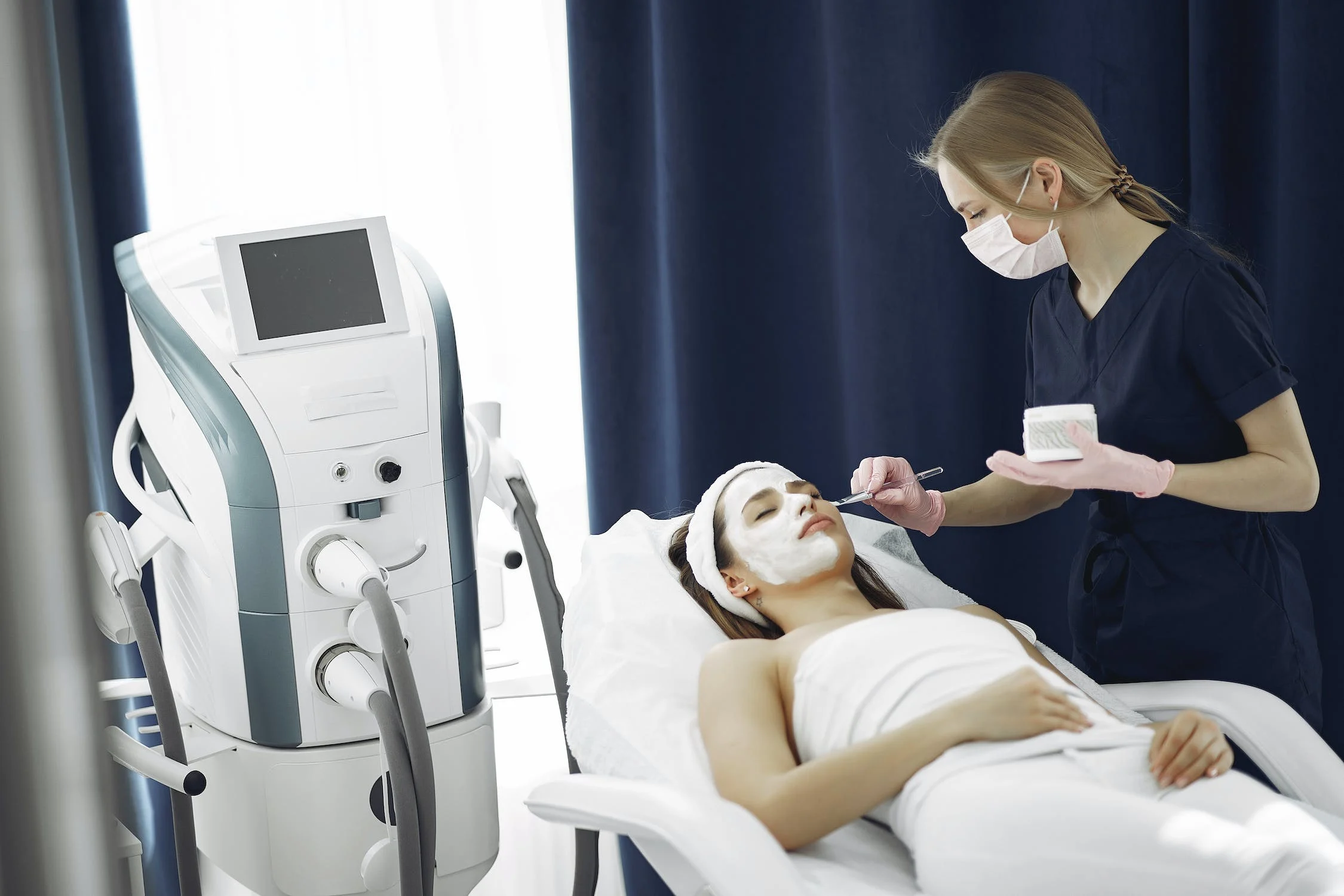
Non-ablative lasers work beneath the surface without removing skin. They are gentler, require no significant downtime, and suit people with busy schedules. The trade-off is that results build gradually over multiple sessions.
Picosecond lasers deliver ultra-short pulses measured in trillionths of a second. This speed creates photomechanical shattering of pigment particles rather than heat-based destruction, which significantly reduces the risk of post-inflammatory hyperpigmentation (PIH). This makes them particularly valuable for darker skin tones, which are more common across East London’s diverse community.
When choosing a laser treatment provider, ask specifically which technology they use and why it suits your concern. A reputable clinic will explain the rationale clearly.
Real-world results: What research reveals
Clinical data on laser aesthetics is now robust, and the outcomes are genuinely impressive. Let’s look at what the evidence actually shows for the treatments most relevant to skin rejuvenation and scar correction.
| Treatment | Condition | Improvement rate | Sessions |
|---|---|---|---|
| Fractional CO2 | Acne scars | 50 to 70% improvement | 1 to 3 |
| Er:YAG | Skin resurfacing | Highest ‘excellent’ responses | 1 to 2 |
| Nd:YAG | Skin tightening | Moderate, cumulative | 4 to 6 |
| Picosecond | Pigmentation | Significant clearance | 3 to 6 |
Here is what you can realistically expect across a treatment course:
-
After session one: Ablative treatments often show visible texture improvement within two weeks as new skin forms. Non-ablative treatments produce subtle brightness and mild tightening.
-
After three sessions: Non-ablative and picosecond protocols show measurable reduction in pigmentation and fine lines. Collagen remodelling is actively underway.
-
After six sessions: Cumulative collagen stimulation produces the most significant anti-ageing results. Skin tone and texture are noticeably more even.
Evidence-backed outcomes for lasers consistently show that combination approaches outperform single-modality treatments. For example, pairing fractional CO2 with a topical growth factor serum accelerates healing and amplifies collagen production beyond what either approach achieves alone.
“Meta-analyses confirm that Er:YAG delivers the highest rates of excellent outcomes for skin resurfacing, while fractional CO2 remains the gold standard for acne scar correction.”
For anyone exploring laser results in East London, these figures represent realistic benchmarks rather than best-case promises. Individual results vary based on skin type, age, lifestyle, and the skill of your practitioner.
Personalisation: Matching lasers to your skin type and goals
One of the most important factors in laser aesthetics is the Fitzpatrick scale, a classification system that rates skin from Type I (very fair, always burns) to Type VI (deeply pigmented, never burns). This scale directly influences which laser is safe and effective for you.
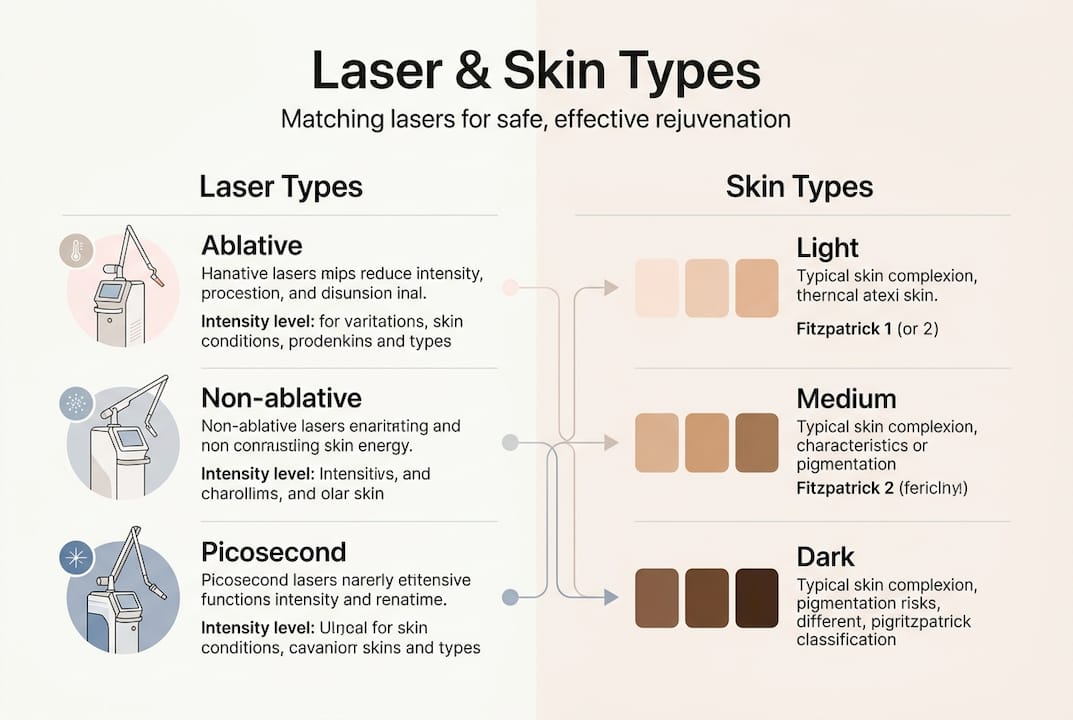
Walthamstow is one of London’s most diverse boroughs, which means many clients have Fitzpatrick Types IV through VI. These skin tones carry a higher risk of PIH if treated with the wrong laser or incorrect settings. Expert parameter control is not optional for these skin types; it is essential.
Here is how personalisation works in practice:
-
Fitzpatrick I to III: Ablative lasers are generally well tolerated. Aggressive resurfacing protocols are an option for deep wrinkles or significant scarring.
-
Fitzpatrick IV: Non-ablative and fractional approaches with conservative settings. Picosecond lasers are preferred for pigmentation.
-
Fitzpatrick V to VI: Nd:YAG and picosecond lasers with extended pulse durations. Conservative settings for dark skin reduce PIH risk significantly.
-
Active acne or rosacea: Specific wavelengths target vascular components without triggering flares.
-
Post-menopausal skin: Lower energy, more frequent sessions to accommodate reduced healing capacity.
Beyond skin type, your full medical history shapes the protocol. Certain medications, including blood thinners and photosensitising drugs, alter how your skin responds to laser energy. Recent sun exposure, pregnancy, and autoimmune conditions all require careful consideration.
Pro Tip: Before your consultation, write down every medication and supplement you take, including topical retinoids. Share your history of cold sores too, as laser treatments can trigger outbreaks in susceptible individuals. Your practitioner can prescribe antiviral cover in advance.
The best outcomes come from treatment planning for skin type that treats you as an individual rather than a skin concern to be fixed. A good practitioner will spend as much time listening as they do treating.
Safety, side effects, and what to ask your provider
Lasers are safe when used correctly. That qualifier matters. The same energy that stimulates collagen can cause burns, scarring, or prolonged pigmentation changes if applied incorrectly. Understanding the risk landscape helps you make informed decisions.
Common side effects that are expected and temporary include:
-
Redness and warmth immediately after treatment
-
Mild swelling, particularly around the eyes
-
Flaking or peeling as skin regenerates
-
Temporary sensitivity to sunlight
Less common but more serious risks include:
-
Prolonged redness lasting two to three months with ablative lasers
-
Post-inflammatory hyperpigmentation, especially in darker skin tones
-
Infection if post-care instructions are not followed
-
Scarring in rare cases involving incorrect settings or untrained operators
Ablative laser risks are more significant than non-ablative options, and anyone who has used isotretinoin (Roaccutane) within the past six to twelve months should not undergo ablative resurfacing. The skin’s healing capacity is compromised during and after this medication.
Before your first session, ask these questions:
-
What specific laser will you use and why is it right for my skin type?
-
What are the realistic outcomes for my concern after the recommended number of sessions?
-
What pre-treatment preparation do I need to do?
-
What does the recovery look like, and what signs should prompt me to contact you?
-
What qualifications and experience do you have with this specific device?
“A practitioner who cannot answer these questions clearly and confidently is not someone you should trust with your skin.”
Post-treatment care is equally important. Broad-spectrum SPF 50 is non-negotiable for at least four weeks after any laser procedure. Avoid heat, steam, and active skincare ingredients like AHAs and retinoids until your practitioner confirms your skin has fully recovered. Consult your provider through questions for laser provider resources to ensure you are fully prepared.
Discover advanced laser treatments at FaceUp Skin Studio
If you have been reading this and recognising your own skin concerns in the descriptions, you are not alone. Thousands of people across Walthamstow and East London are discovering that the results they want are achievable without surgery, lengthy recovery, or compromise on safety.
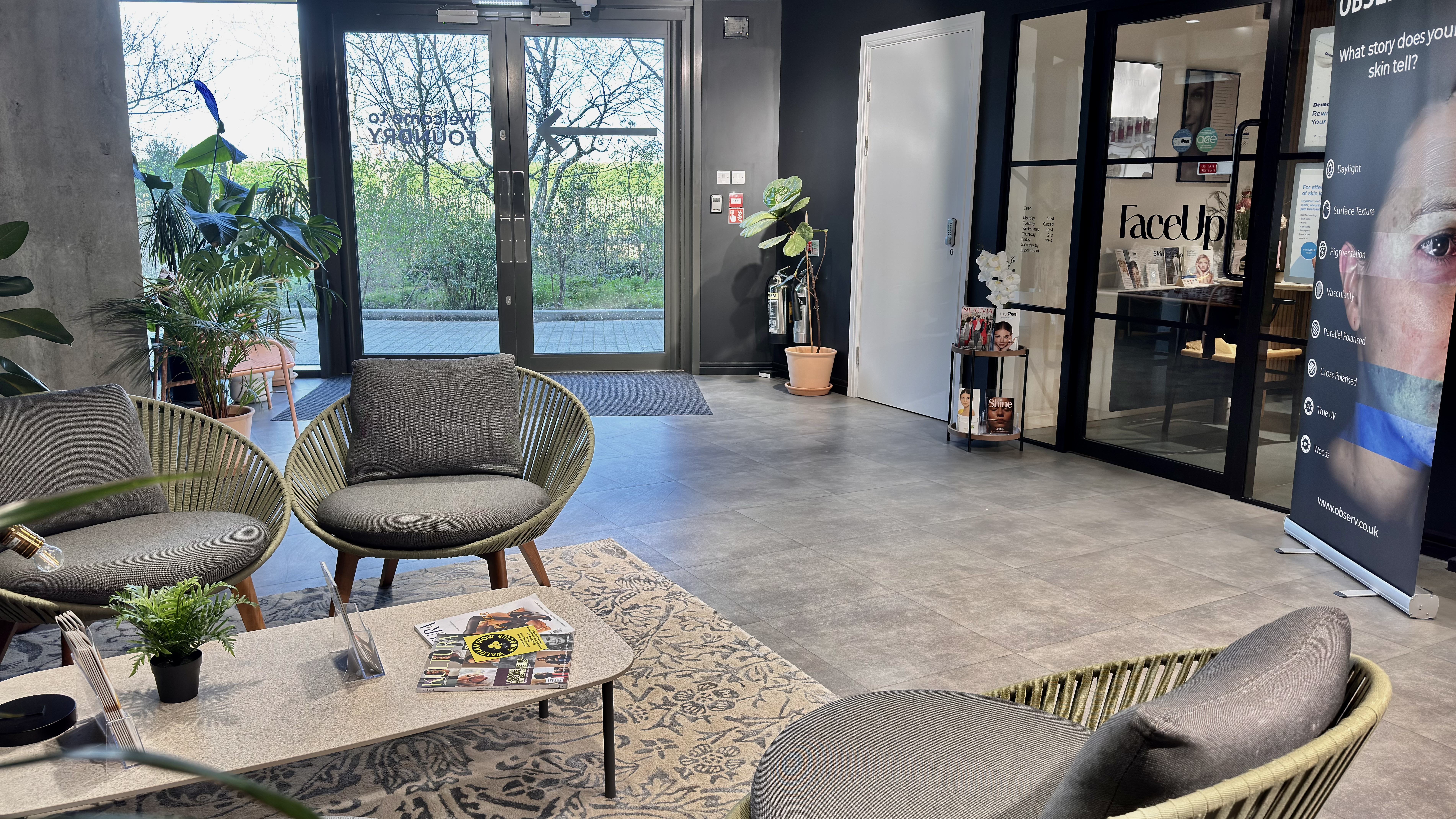
At FaceUp Skin Studio, every treatment begins with a thorough consultation that considers your Fitzpatrick skin type, personal goals, and medical history. The team specialises in advanced non-surgical aesthetics, offering personalised protocols for skin rejuvenation, pigmentation correction, scar treatment, and anti-ageing. Whether you are exploring laser options for the first time or looking to optimise an existing skincare routine, the studio provides the expertise and technology to deliver natural-looking, evidence-backed results. Book your consultation today and take the first step towards skin you feel genuinely confident in.
Frequently asked questions
Which laser is best for anti-ageing if I have olive or dark skin?
Picosecond and non-ablative lasers, applied with conservative settings for melanin-rich skin, offer the safest and most effective anti-ageing results for olive and dark skin tones, with significantly reduced PIH risk compared to ablative options.
Can lasers treat both acne scars and fine lines in one session?
Combined protocols pairing fractional CO2 with radiofrequency or Er:YAG with radiofrequency for mixed concerns can address both scars and fine lines simultaneously, though your practitioner will assess whether your skin can tolerate a combined approach safely.
How long does it take to see visible results from laser treatments?
Ablative lasers can produce noticeable improvement after one session once healing is complete, while non-ablative and picosecond treatments typically require three to six sessions before significant changes become visible.
What are common side effects after laser skin resurfacing?
Redness, swelling, mild discomfort, and temporary pigmentation changes are the most common side effects. Ablative lasers carry a risk of redness lasting months and a higher PIH risk for darker skin tones, which is why expert aftercare guidance is essential.