
Navigating the world of skin care can feel overwhelming with countless products and procedures promising youthful, radiant skin. Effective anti-aging requires more than random product purchases; it demands a strategic approach combining daily topical routines with advanced non-surgical treatments. This article reveals evidence-backed best practices that deliver genuine skin health improvements and visible rejuvenation. Whether you’re starting preventive care in your twenties or seeking corrective solutions later, understanding these core principles empowers you to make informed decisions tailored to your unique skin needs and goals.
Key Takeaways
| Point | Details |
|---|---|
| Foundational daily routine | A daily regimen of a gentle cleanser, vitamin C serum, retinoid, and ceramide moisturiser forms the foundation for protection, repair and renewal. |
| SPF essential | Broad spectrum SPF thirty or higher is the single most crucial non negotiable element in any ageing regimen. |
| Retinoid ramp up | Begin with lower concentrations two to three nights weekly and increase frequency as the skin adapts to minimise irritation. |
| Tailored care by skin type | Your skin type and Fitzpatrick phototype determine suitable actives and the pace of introducing new treatments. |
| Safe treatment integration | Safe introduction and combination of treatments optimise results and minimise side effects. |
Criteria for effective anti-aging skin care
Selecting the right skin care practices requires understanding core evaluation criteria that separate effective approaches from marketing hype. Focus on routines built around gentle cleansing, antioxidant protection, and deep hydration rather than chasing trendy ingredients without proven mechanisms. Prevention from mid-twenties reduces damage by up to 80%, whilst consistent routines typically show visible results within three to twelve months.
Broad-spectrum SPF 30 or higher stands as the single most crucial non-negotiable element in any anti-aging regimen. SPF prevents 80-90% of photoaging, making it far more effective than any corrective treatment applied after damage occurs. Apply it every single day, regardless of weather or season, as UV radiation penetrates clouds and windows.
Retinoid introduction demands a gradual approach to minimise irritation whilst building tolerance. Start with lower concentrations two to three nights weekly, then increase frequency as your skin adapts. Rushing this process leads to redness, peeling, and potential abandonment of one of the most scientifically validated anti-aging ingredients available.
Skin type and Fitzpatrick phototype significantly influence which actives and treatments work best for you. Darker skin tones require particular care with certain procedures to avoid post-inflammatory hyperpigmentation, whilst sensitive skin may need gentler formulations and slower introduction timelines. Those seeking advanced skin care solutions East London benefit from professional assessments that account for these individual factors.
Balance prevention and repair goals depending on your current age and skin condition. Younger individuals should prioritise sun protection and antioxidants to prevent future damage. Mature skin benefits from combining preventive measures with corrective treatments like retinoids and professional procedures that stimulate collagen renewal and address existing concerns.
Pro tip: Track your skin’s response to new products by photographing your face in consistent lighting weekly. This objective record helps you identify genuine improvements versus placebo effects, allowing data-driven adjustments to your routine.
Core daily skin care routine for anti-aging
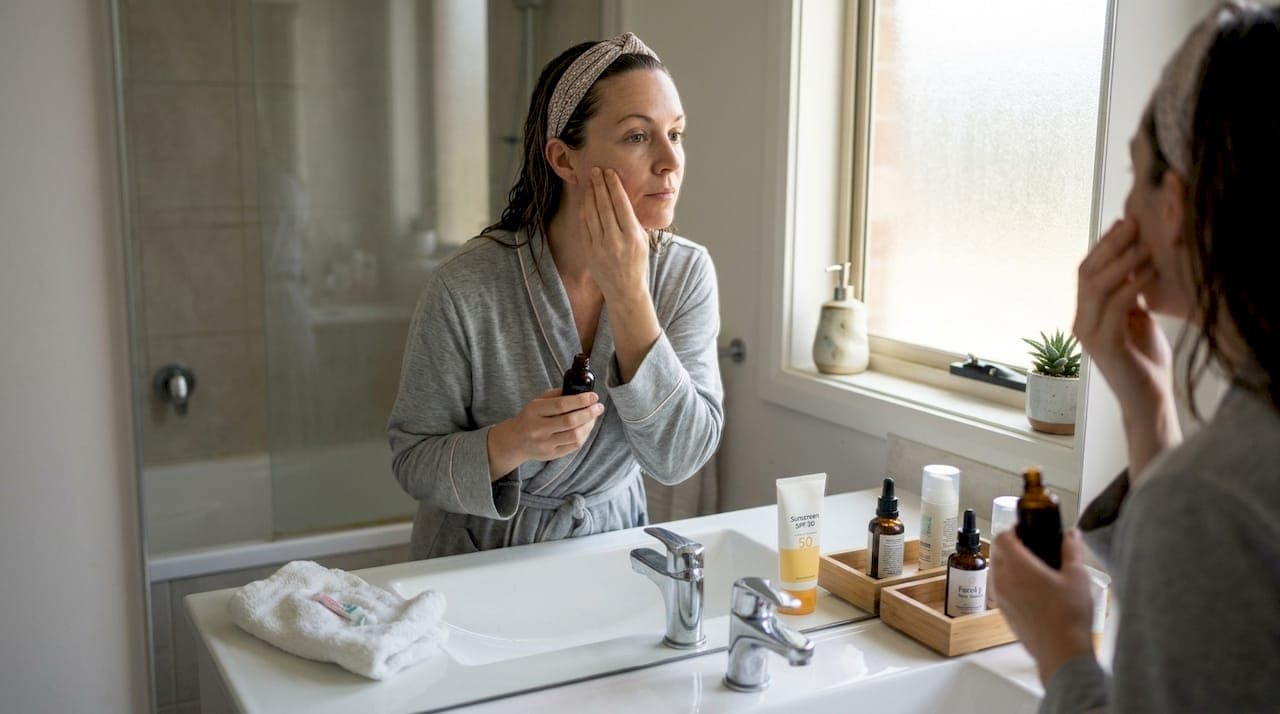
Your daily regimen forms the foundation upon which all other anti-aging efforts build. Gentle cleanser, vitamin C serum, retinoid, ceramide moisturiser, and SPF 30+ comprise the essential components that work synergistically to protect, repair, and renew skin at the cellular level.
-
Cleanse gently morning and evening. Choose a pH-balanced, non-stripping cleanser that removes impurities without compromising your skin barrier. Harsh cleansers disrupt the protective lipid layer, leading to increased sensitivity and moisture loss that accelerates visible aging.
-
Apply vitamin C serum each morning. Vitamin C 10-20% combined with vitamin E and ferulic acid optimally neutralises free radicals generated by UV exposure and pollution. This powerful antioxidant trio brightens skin tone, reduces oxidative stress, and enhances photoprotection when layered beneath sunscreen.
-
Introduce retinoids cautiously in the evening. Begin with retinol or adapalene two to three nights weekly, gradually increasing as tolerance builds. Retinoids accelerate cell turnover, stimulate collagen production, and reduce fine lines through proven mechanisms that outperform most other topical ingredients.
-
Moisturise with barrier-supporting ingredients. Select formulations rich in ceramides, hyaluronic acid, and niacinamide that reinforce your skin’s protective barrier whilst drawing moisture into deeper layers. Well-hydrated skin appears plumper, smoother, and more resilient against environmental stressors.
-
Apply broad-spectrum SPF 30 or higher daily. This final step protects all the repair work your other products accomplish. Reapply every two hours during extended sun exposure, and don’t forget often-missed areas like your neck, chest, and hands.
Consistency matters more than perfection. Missing occasional applications won’t derail your progress, but sporadic adherence prevents you from experiencing the cumulative benefits that emerge after several months of regular use. Those interested in complementing their routine with anti-aging face serums should look for formulations containing proven actives rather than proprietary blends with undisclosed concentrations.
Pro tip: Store vitamin C serums in cool, dark places and replace them every three months. Oxidised vitamin C turns yellow or brown and loses effectiveness, wasting your investment in this powerful antioxidant.
“The most effective anti-aging strategy combines daily prevention with targeted correction. No single product or procedure delivers comprehensive results; layering complementary approaches yields the most dramatic, lasting improvements.”
Advanced non-surgical procedures for skin rejuvenation
Whilst daily topical care provides essential maintenance, advanced aesthetic procedures deliver accelerated, often more dramatic results by stimulating deeper skin layers that topicals cannot reach. These professional treatments complement your home routine rather than replacing it.
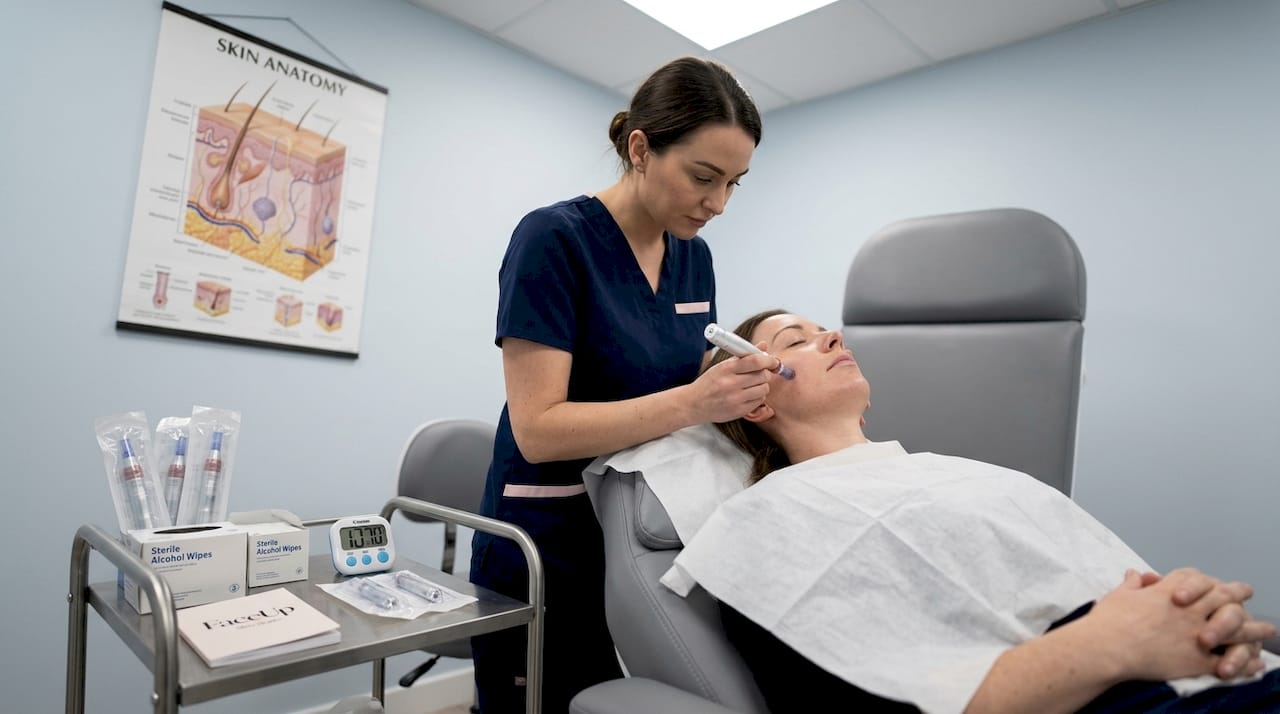
Microneedling creates controlled micro-injuries that trigger your skin’s natural healing response, promoting neocollagenesis and enhanced absorption of topical actives. Microneedling achieves 83% patient satisfaction, making it a reliable option for texture improvement and mild scarring correction with minimal downtime.
Radiofrequency microneedling advances traditional microneedling by adding thermal energy that penetrates deeper, stimulating collagen contraction and long-term remodelling. RF microneedling shows 84%+ skin tone improvement and proves particularly valuable because it’s safe for Fitzpatrick skin types I through VI with low risk of post-inflammatory hyperpigmentation, unlike some laser treatments.
Erbium YAG laser provides precise ablative resurfacing that removes damaged surface layers whilst stimulating collagen production in underlying dermis. This laser technology delivers superior wrinkle reduction compared to radiofrequency approaches, though it requires slightly longer recovery periods due to its more aggressive mechanism.
High-intensity focused ultrasound penetrates even deeper than RF or lasers, reaching the superficial muscular aponeurotic system layer to stimulate lifting and tightening without breaking the skin surface. HIFU suits those seeking non-surgical facial contouring and jawline definition alongside general skin quality improvements.
Combining professional procedures with diligent topical care yields amplified results that exceed either approach alone. Your home routine maintains and extends procedural benefits, whilst treatments address concerns beyond topical capabilities. Those seeking advanced skin treatments East London should consult experienced practitioners who assess your specific needs and recommend appropriate treatment combinations.
| Procedure | Mechanism | Best for | Downtime |
|---|---|---|---|
| Microneedling | Controlled micro-injury | Texture, mild scars | 1-2 days redness |
| RF microneedling | Thermal energy plus needling | Skin tightening, all skin tones | 2-3 days redness |
| Erbium YAG laser | Precise ablation | Deep wrinkles, resurfacing | 5-7 days peeling |
| HIFU | Ultrasound energy | Lifting, contouring | Minimal to none |
-
Professional procedures require proper training and equipment for safety and effectiveness
-
Multiple sessions spaced weeks apart typically deliver optimal outcomes
-
Post-procedure care including gentle cleansing and sun protection accelerates healing
-
Individual results vary based on age, skin condition, and lifestyle factors
Comparing topical and procedural approaches for personalised skin care
Understanding the distinct advantages and limitations of topical versus procedural anti-aging techniques empowers you to design a personalised strategy matching your goals, budget, and tolerance for downtime.
Topicals like retinoids and peptides offer gradual, home-based improvements with minimal disruption to daily life. You control application frequency and can adjust your routine based on skin response. However, topicals penetrate only superficial skin layers and require months of consistent use before visible results emerge. Peptides such as Cyclized Hexapeptide-9 may provide superior wrinkle reduction compared to retinol in controlled trials, demonstrating that newer ingredients continue advancing topical efficacy.
Professional procedures deliver faster, often more dramatic results by accessing deeper skin structures that topicals cannot reach. Erbium YAG lasers exceed RF in producing excellent resurfacing results, whilst RF yields higher rates of good outcomes with better tolerability. These treatments require professional administration, involve higher costs, and necessitate recovery periods ranging from minimal to several days depending on intensity.
Neither approach eliminates the need for the other in comprehensive anti-aging care. Procedures provide periodic boosts that reset your skin’s baseline condition, whilst daily topicals maintain and extend those improvements between sessions. Someone in their thirties might emphasise prevention through topicals with occasional microneedling, whereas someone in their fifties could benefit from more aggressive laser resurfacing complemented by retinoid and peptide serums.
Personalisation based on age, skin type, specific concerns, and lifestyle constraints determines your optimal combination. Darker skin tones may prioritise RF microneedling over certain lasers due to hyperpigmentation risks. Busy professionals might favour treatments with minimal downtime. Those with sensitive skin could emphasise gentle topicals over aggressive procedures. Consulting with experts offering expert skin care consultations East London ensures your plan addresses your unique situation rather than following generic protocols.
| Approach | Advantages | Limitations | Ideal candidates |
|---|---|---|---|
| Topical actives | Home-based, gradual, affordable, minimal downtime | Superficial penetration, slow results, requires consistency | Prevention-focused, all ages, budget-conscious |
| Professional procedures | Deeper penetration, faster results, dramatic improvements | Higher cost, requires appointments, recovery time | Correction-focused, established damage, seeking visible change |
| Combined strategy | Synergistic effects, comprehensive coverage, optimised outcomes | Requires commitment to both, coordination needed | Best results-seekers, willing to invest time and resources |
-
Start with solid topical foundation before adding procedures for maximum benefit
-
Schedule treatments during periods when downtime fits your calendar
-
Maintain sun protection religiously after any procedure to prevent complications
-
Adjust your approach as your skin and goals evolve over time
Discover advanced skin care solutions in East London
Now that you understand evidence-backed best practices for anti-aging and skin rejuvenation, translating this knowledge into personalised action becomes your next step. FaceUp Skin Studio East London specialises in advanced non-surgical aesthetic treatments tailored to your unique skin concerns and goals.

Their experienced team offers comprehensive skin assessments that identify your specific needs, followed by customised treatment plans combining professional procedures with expert product recommendations. Whether you’re interested in RF microneedling, laser resurfacing, or building an optimised topical routine, their practitioners provide the expertise and technology necessary for safe, effective results. Book your consultation online or by phone to begin your personalised skin care journey with professionals who understand both the science and artistry of aesthetic medicine.
Frequently asked questions about best practices for skin care
How often should retinol be introduced into a skincare routine?
Start retinol two to three nights per week, allowing your skin to build tolerance gradually over four to six weeks. Once your skin adapts without irritation, you can increase to nightly application if desired. This cautious approach minimises redness and peeling whilst maximising long-term compliance.
Can procedures like RF microneedling be done safely on all skin tones?
Yes, RF microneedling demonstrates low risk of post-inflammatory hyperpigmentation across all Fitzpatrick skin types, including darker phototypes IV through VI. Proper technique and post-treatment care further reduce complications, making it one of the safest professional rejuvenation options for diverse skin tones.
What is the role of antioxidants in skin care?
Antioxidants neutralise free radicals generated by UV radiation, pollution, and metabolic processes that damage cellular structures and accelerate aging. Vitamin C, vitamin E, and ferulic acid work synergistically to reduce oxidative stress, brighten skin tone, and enhance the protective effects of sunscreen when applied together.
Are peptides better than retinol?
Some peptides show superior efficacy in controlled trials, but they work through different mechanisms than retinol and often complement rather than replace it. Cyclized Hexapeptide-9 demonstrated better wrinkle reduction than retinol in recent research, suggesting peptides deserve inclusion in comprehensive anti-aging regimens alongside retinoids.
How to combine home care with professional procedures for best results?
Maintain your diligent daily routine of cleansing, antioxidants, retinoids, moisturiser, and SPF as your foundation. Schedule one to three professional procedure sessions spaced four to six weeks apart for targeted correction. Your topical routine prepares skin before treatments and maintains improvements afterwards, creating synergistic effects that exceed either approach alone. Consider booking professional skin consultations to coordinate timing and product selection around your treatment schedule.